- Guilt and shame
- Attachment issues
- Communication skills
About Chelsey
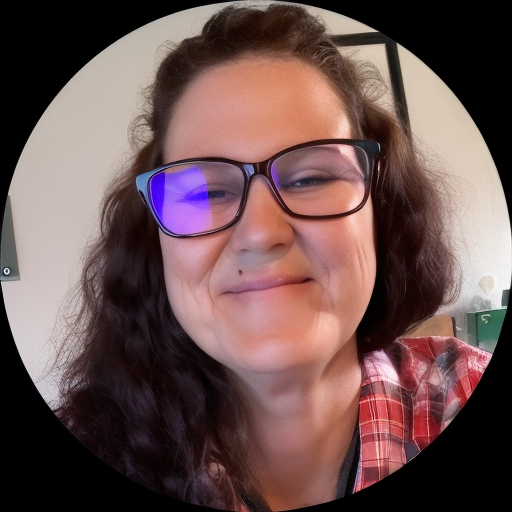
Chelsey Winkle is a Licensed Clinical Social Worker (LCSW) practicing in Idaho with 10 years of experience. She focuses on stress, anxiety, relationship challenges, trauma, and addictions. People who carry guilt or shame from past events are among the concerns she addresses.
Chelsey works with individuals to untangle emotional patterns that keep them stuck. Sessions focus on clear, practical steps for communication problems, codependency, and attachment issues. She also supports people recovering from drug and alcohol addiction and from experiences of domestic violence or sexual assault.
Her work looks at how family of origin issues and personality patterns feed into current struggles. Guilt and shame are named as part of the difficulties she helps people talk through. She aims to help clients recognize unhelpful cycles and try different ways of responding.
In sessions she uses evidence-based therapeutic techniques to address post-traumatic stress and forgiveness difficulties. The approach is collaborative - she and the person in therapy decide which steps feel most useful. Practical coping skills and clearer communication are common focuses.
Chelsey frames recovery from trauma and addiction as a process with small, concrete changes. Her background includes work with survivors of sexual assault and people affected by domestic violence. People should confirm current session formats before booking.
How evidence-based methods are used in online sessions
Evidence-based therapeutic techniques include trauma-focused approaches that help people process distressing memories and reduce intrusive symptoms. These methods often involve grounding exercises, pacing exposure to difficult memories, and building coping skills to manage strong emotions.Another common approach is skills-based work for anxiety and addiction. This focuses on learning concrete tools for managing cravings, reducing avoidance, and improving day-to-day functioning. Skills practice usually includes short behavioral experiments and communication exercises to try between sessions.
Finding the right approach is part of the work. Chelsey will collaborate with each person to choose techniques that fit their goals, needs, and comfort level. That decision is revisited as therapy progresses so methods can be adjusted.
The biography does not list specific online formats, so confirm the current session options before booking. Online sessions can make it easier to fit therapy into a busy schedule, reduce travel time, and allow for shorter check-ins when needed. They may also let people connect from a quieter place or avoid being on camera when that helps them focus.
Areas of expertise
Primary focus
Additional focus areas
Experience
10+ years
Listed in
Idaho
Languages
English
Frequently asked questions
What kinds of problems does she help with?
She works with stress, anxiety, relationships, trauma, and addictions, including issues like domestic violence and sexual assault.
How does she approach guilt and shame?
Chelsey helps people name and talk through feelings of guilt and shame and looks at how those feelings affect behavior and relationships.
How much clinical experience does she have?
She has 10 years of experience working with trauma, addiction, and relationship concerns.
What are her credentials and where does she practice?
She is a Licensed Clinical Social Worker, LCSW, practicing in Idaho.
Can I work with her if I live outside the United States?
International clients are not currently accepted; sessions are offered in English.
What session formats does she offer?
The original biography does not list specific session formats; confirm current session options before booking.
How does payment work and what does it cost?
Cost varies with location; sessions use a subscription that can be canceled at any time.
What do I need to do to start working with her?
Select the See online therapy options button, complete a short matching questionnaire, and schedule a first session.
Online talk therapy is not emergency care. If you are in danger or thinking about harming yourself, use the crisis numbers.