
Dr. Steven Hurley
IL Psychologist 071007009Illinois · 19 yrs exp
Dr. Steven Hurley - Psychologist, Anxiety and Trauma
Stress, Anxiety · LGBT · Relationship · Trauma and abuse · +9 more
Read profileTherapist listings are provided by BetterHelp. We will earn a commission at no additional cost to you if you use our links to purchase.
Browse profiles of clinicians who list Family of Origin Issues and who also note guilt and shame among their focus areas. Compare approaches, credentials, listed location, languages and therapeutic style to find profiles that match your needs.
Illinois · 19 yrs exp
Dr. Steven Hurley - Psychologist, Anxiety and Trauma
Stress, Anxiety · LGBT · Relationship · Trauma and abuse · +9 more
Read profile
Florida · 23 yrs exp
LICSW LCSW - LGBT and Intimacy concerns
LGBT · Intimacy-related issues
Read profile
Minnesota · 14 yrs exp
LMFT - Relationships and trauma related concerns
Stress, Anxiety · Relationship · Family · Trauma and abuse · +8 more
Read profile
Texas · 22 yrs exp
Licensed Professional Counselor - Guilt and life changes
Stress, Anxiety · Grief · Career · Depression · +9 more
Read profile
Oregon · 14 yrs exp
Licensed Professional Counselor - Guilt and shame
Grief · Self esteem · Career · Depression · +8 more
Read profile
Oregon · 32 yrs exp
Licensed Marriage and Family Therapist - Anxiety and Relationships
Stress, Anxiety · Relationship · Trauma and abuse · Grief · +9 more
Read profile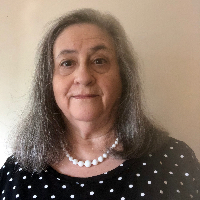
Mississippi · 23 yrs exp
LCSW in Mississippi - Guilt and shame, Life change
Stress, Anxiety · Grief · Anger · Self esteem · +8 more
Read profile
North Carolina · 13 yrs exp
Licensed Clinical Social Worker - Guilt and shame, Relationships
Stress, Anxiety · Relationship · Family · Self esteem · +13 more
Read profile
Washington · 12 yrs exp
Licensed Marriage and Family Therapist - relationships and family issues
Stress, Anxiety · Family · Anger · Self esteem · +6 more
Read profile
Florida · 10 yrs exp
LCSW - Anxiety and Addictions
Stress, Anxiety · Addictions · Family · Grief · +8 more
Read profile
Michigan · 35 yrs exp
LMSW counselor - Stress and relationships
Stress, Anxiety · Addictions · Trauma and abuse · Self esteem · +3 more
Read profile
Indiana · 11 yrs exp
Licensed Clinical Social Worker - Guilt and shame, relationships
Stress, Anxiety · Grief · Depression · Coping with life changes · +8 more
Read profile
Kentucky · 11 yrs exp
LMFT in Kentucky - Relationships and Guilt and shame
Stress, Anxiety · Relationship · Family · Self esteem · +9 more
Read profile
Florida · 20 yrs exp
Florida LMHC - Relationships and Anxiety
Stress, Anxiety · Relationship · Family · Self esteem · +9 more
Read profile
Virginia · 14 yrs exp
Licensed Professional Counselor - Trauma and mood concerns
Trauma and abuse · Grief · Coping with life changes · Compassion fatigue · +12 more
Read profile
Texas · 4 yrs exp
LPC in Texas - Guilt and shame, relationships
Stress, Anxiety · Addictions · Relationship · Family · +3 more
Read profile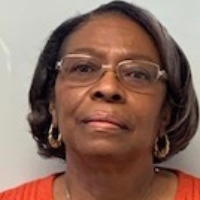
Alabama · 20 yrs exp
Licensed Professional Counselor - Anxiety and Grief
Stress, Anxiety · Relationship · Grief · Depression · +9 more
Read profile
South Carolina · 20 yrs exp
Licensed social worker - Stress and eating issues
Stress, Anxiety · Relationship · Eating · Self esteem · +10 more
Read profile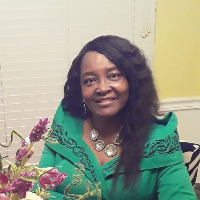
Florida · 20 yrs exp
LMHC - Anxiety and Relationships
Stress, Anxiety · Addictions · Relationship · Self esteem · +1 more
Read profile
Oregon · 17 yrs exp
LMFT - Stress and trauma focused
Stress, Anxiety · Trauma and abuse · Grief · Intimacy-related issues · +1 more
Read profile
Texas · 5 yrs exp
LCSW - Stress and relationship concerns
Stress, Anxiety · Relationship · Family · Trauma and abuse · +9 more
Read profile
Florida · 11 yrs exp
Florida LMHC - Guilt and relationship concerns
Stress, Anxiety · Relationship · Parenting · Self esteem · +11 more
Read profile
North Carolina · 30 yrs exp
LCMHC - Stress and Trauma
Stress, Anxiety · Addictions · LGBT · Trauma and abuse · +1 more
Read profile
New Jersey · 10 yrs exp
Licensed counselor - Guilt and relationships
Stress, Anxiety · Relationship · Family · Parenting · +4 more
Read profile
Texas · 26 yrs exp
Licensed counselor - Guilt and shame, relationships
Stress, Anxiety · Relationship · Trauma and abuse · Grief · +11 more
Read profile
Colorado · 13 yrs exp
Licensed Marriage and Family Therapist - Relationships and Trauma
Stress, Anxiety · LGBT · Relationship · Trauma and abuse · +10 more
Read profile
Nevada · 25 yrs exp
LMFT - Relationships and Guilt issues
Stress, Anxiety · Relationship · Family · Trauma and abuse · +1 more
Read profile
Pennsylvania · 15 yrs exp
Licensed Professional Counselor - Stress and Trauma
Stress, Anxiety · Relationship · Self esteem · Depression · +14 more
Read profile
Texas · 19 yrs exp
Licensed Professional Counselor - Stress and Relationships
Stress, Anxiety · Relationship · Family · Trauma and abuse · +12 more
Read profile
Ohio · 18 yrs exp
Ohio LISW - Guilt and shame, relationships
Stress, Anxiety · Relationship · Grief · Self esteem · +10 more
Read profileWhen family relationships leave you carrying regret, blame or an ongoing sense that something is wrong with who you are, those feelings can shape how you move through daily life. Many adults come to therapy because memories, family roles or messages from childhood keep resurfacing as guilt about things they did or did not do, or as shame about who they feel they are. Those feelings may be tied to conflict, loss, boundary violations, or expectations around duty, loyalty and identity that were set early on. You might notice that guilt often focuses on actions - what you did or failed to do - while shame tends to feel like a judgment on the whole of you. Talking with a clinician can help make those patterns clearer, help you separate present reality from older narratives, and allow you to explore what you want to change about current patterns. It is reasonable to want a practitioner who understands family dynamics, faith or cultural influences, and how those influences map onto guilt and shame without judging your history.
Guilt and shame are related but not the same. Guilt typically centers on a behavior - an event, a choice, an action you regret - and can lead you to want to make amends or to act differently in the future. Shame feels more global and can sound like a voice telling you that you are flawed, unworthy or fundamentally bad. Shame often produces withdrawal, hiding or self-criticism, and it can be reinforced by family messages that emphasized worthiness, perfectionism, or roles that were unfair or constraining. Recognizing the difference in language - that guilt is about what happened and shame is about who you are - can help you and a clinician choose conversation threads to follow. It is important to note that if shame comes with thoughts of harming yourself, you should contact emergency services immediately - call 911 in the United States, 999 in the United Kingdom, or 000 in Australia - or reach a crisis line such as 988 in the US, Samaritans at 116 123 in the UK, or Lifeline at 13 11 14 in Australia.
Family patterns, cultural expectations and messages passed down through generations can influence how guilt and shame are felt and expressed, but those links are not fixed rules. You may carry a family story that taught you to put others first, to apologize even when you were not at fault, or to measure worth by achievement or obedience. Those patterns can magnify guilt for small perceived failures and solidify shame when criticism is internalized. At the same time, the presence of family-origin issues does not necessarily mean they are the sole cause of your present feelings. Life experiences outside the family - relationships, work stress, trauma, or health challenges - can interact with family messages to shape your emotional life. When you read profiles on this page, you will find clinicians who list Family of Origin Issues as a focus and who also note guilt and shame among their areas of interest. That listing indicates a stated interest or focus in those topics; it is not evidence of certification, particular training, or guaranteed outcomes. Use conversations with clinicians to explore how they understand the role of family influence and how they would approach your unique story.
Before you reach out to a clinician, prepare specific questions that will help you evaluate fit. Ask how the clinician describes their approach to clients who bring guilt or shame from family history, and request concrete examples of how they typically begin that work. You might ask whether they work primarily with adults and what kinds of family patterns they most often address. Inquire about the approaches they mention on their profile - for example, ask about therapists who list EMDR among their approaches and what that might mean in practice for your concerns - while keeping in mind that a listed approach is not proof of certification. Clarify professional standing in the region where the clinician practices: in the United States, look for licensed clinicians such as Licensed Clinical Social Worker (LCSW), Licensed Professional Counselor (LPC), Licensed Marriage and Family Therapist (LMFT), psychologist (PhD or PsyD) or medical doctor (MD). In the United Kingdom, many counsellors and psychotherapists hold membership in professional bodies and some practitioners are registered with organizations such as the HCPC for particular professions. In Australia, psychologists are registered with AHPRA and other practitioners commonly belong to national professional associations. Distinguish degrees from permission to practice - academic credentials like PhD, PsyD, MD, MA or MSW are degrees, while licensure, registration or membership indicate current professional authorization or participation in a regulatory or voluntary framework in a given country. Ask about language skills, cultural experience, and whether the clinician has worked with people from your background or faith tradition if that is important to you.
If you are considering online or in-person sessions, talk through practical and safety questions before beginning. Discuss how the clinician handles technology, what platform they use, and what to do if a connection drops during a session. If you will be in a different jurisdiction than the clinician, ask about practice permissions in their listed location and how emergency situations would be managed given those boundaries. Talk about session structure and how goals are set and reviewed, and be explicit about what you want to work on - for example, whether you want to focus on reducing self-blame, learning new boundary skills, or exploring family narratives. It is also appropriate to ask how a clinician responds if shame leads to intense distress, including what local crisis resources they recommend. Make clear arrangements about timing, cancellation policies, and how to communicate between sessions. These conversations give you a sense of professional style and whether the clinician’s way of working feels respectful of your needs and pace.
Use the information in profiles to compare concrete attributes rather than assuming a single label guarantees fit. Look at focus areas to see whether Family of Origin Issues, guilt and shame appear together on a profile, and read how clinicians describe their therapeutic style and populations. Compare the approaches listed, keeping in mind that an approach listed on a profile is an area the clinician uses or mentions, not proof of a particular qualification. Note languages offered and the clinician’s listed location, since geography can affect licensing and emergency planning. Check degrees separately from licensure or membership statements so you understand both academic background and the current professional permissions that matter in your region. Finally, consider tone and description - profiles that emphasize collaborative exploration, practical coping strategies, or attention to cultural context may align differently with what you want. If you are not sure from the profile, prepare a short set of questions and ask them directly in an initial message or consultation. Comparing profiles this way can help you identify a clinician whose stated focus areas, language and professional standing align with how you want to address guilt and shame linked to family origins.
Alabama
97 therapists
Alaska
19 therapists
Arizona
91 therapists
Arkansas
63 therapists
Australia
307 therapists
California
802 therapists
Colorado
180 therapists
Connecticut
69 therapists
Delaware
13 therapists
District of Columbia
20 therapists
Florida
661 therapists
Georgia
165 therapists
Hawaii
28 therapists
Idaho
48 therapists
Illinois
246 therapists
Indiana
118 therapists
Iowa
31 therapists
Kansas
50 therapists
Kentucky
126 therapists
Louisiana
124 therapists
Maine
19 therapists
Maryland
141 therapists
Massachusetts
81 therapists
Michigan
249 therapists
Minnesota
95 therapists
Mississippi
74 therapists
Missouri
149 therapists
Montana
45 therapists
Nebraska
41 therapists
Nevada
50 therapists
New Hampshire
12 therapists
New Jersey
158 therapists
New Mexico
34 therapists
New York
399 therapists
North Carolina
262 therapists
North Dakota
10 therapists
Ohio
168 therapists
Oklahoma
135 therapists
Oregon
56 therapists
Pennsylvania
251 therapists
Rhode Island
11 therapists
South Carolina
119 therapists
South Dakota
16 therapists
Tennessee
125 therapists
Texas
847 therapists
United Kingdom
1362 therapists
Utah
75 therapists
Vermont
19 therapists
Virginia
132 therapists
Washington
108 therapists
West Virginia
23 therapists
Wisconsin
109 therapists
Wyoming
20 therapists