- Guilt and shame
- Attachment issues
- Life transitions
About John
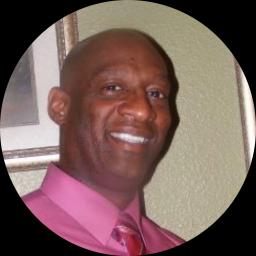
John Lott III is a Licensed Clinical Social Worker (LCSW) practicing in Florida with 30 years of experience. He works with people dealing with relationship problems, trauma and abuse, low self-esteem, life changes, and coaching for personal goals. He also focuses on attachment issues, forgiveness, guilt and shame, life purpose, post-traumatic stress, and self-love.
He speaks plainly and draws on lived experience as someone who grew up in a broken home and competed as a professional athlete. Sessions tend to address practical next steps as well as the feelings that keep someone stuck. Conversations may cover difficult memories, patterns in relationships, and choices that feel weighty or shameful.
His background includes long clinical experience and several professional credentials, including LCSW. That history informs a direct, experienced approach rather than theory-first explanations. People who want to move beyond self-blame or repeat patterns can expect straightforward feedback and actionable ideas to try between meetings.
Work in sessions often mixes talk about past events with present-day behavior and goals. Expect exploration of what holds the guilt or shame in place and clear steps for experimenting with new ways of acting and relating. The therapist emphasizes accountability alongside practical coping skills.
John encourages people to consider both small changes and larger life shifts when those are needed. He invites honest discussion about what someone did, didn’t do, or feels about who they are, and then helps outline realistic steps forward.
Approaches for working with guilt and life transitions
John uses evidence-based therapeutic techniques that focus on present behavior and past events. One approach works on processing traumatic memories and their emotional impact so those experiences feel less overwhelming and intrusive. Another approach targets patterns in relationships and attachment - it looks at how current interactions replay past hurts and tests new ways of relating that reduce shame-driven reactions.Finding the right method is part of the work. The therapist will collaborate with the client to decide which techniques fit best based on needs, goals, and preferences. That means trying an approach for a few sessions and adjusting as progress and comfort suggest.
Session formats are not specified in the biography, so confirm current online options before booking. Online work can make it easier to fit therapy into a busy week, allow shorter check-ins when needed, and remove travel time that discourages consistent appointments. Licensed professionals often use the online setting to focus on practical strategies, homework between meetings, and steady progress toward clearer decisions and reduced self-blame.
Areas of expertise
Primary focus
Additional focus areas
Experience
30+ years
Listed in
Florida
Languages
English
Frequently asked questions
What kinds of concerns does he address?
He works with relationship problems, trauma and abuse, self-esteem issues, coping with life changes, and coaching for goals. Additional focuses include attachment issues, forgiveness, guilt and shame, life purpose, post-traumatic stress, and self-love.
How does he approach guilt and shame?
He combines discussion of difficult memories with attention to current behavior and decisions. The work aims to identify what keeps guilt or shame active and to try practical steps to reduce their hold.
What is his professional background?
He has 30 years of clinical experience and a history that includes work with people facing trauma, life transitions, and performance goals.
What credentials and location apply?
He is a Licensed Clinical Social Worker (LCSW) in Florida and practices there.
Which languages are supported?
Sessions are offered in English.
Does he work with international clients?
He does not accept international clients at this time.
How are sessions priced?
Cost varies with location and sessions use a subscription that can be canceled at any time.
What are the steps to get started?
Use the See online therapy options button, complete a short matching questionnaire, and schedule a first session.
Online talk therapy is not emergency care. If you are in danger or thinking about harming yourself, use the crisis numbers.