- Solution-Focused questions
- Person-centered conversation
- Focus on small changes
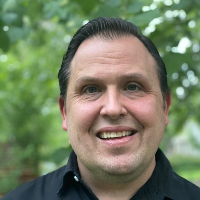
About Jonathan
Jonathan Richard is a Licensed Professional Counselor (LPC) practicing in Texas with three years of experience. He works with people who are facing stress, anxiety, self-esteem and depression concerns. He also supports those dealing with relationship issues, grief, parenting strain, career questions, and struggles around emptiness, guilt and shame.
He trained in the Master of Arts in Counseling (MAC) program at St. Edward's University and completed an internship at Capital Area Counseling. That internship involved working with a diverse range of people, including those affected by addiction, gender dysphoria, divorce, and the various pressures of young and middle adulthood.
Jonathan describes a person-centered style that fits his low-key manner. He aims for relaxed, organic conversations where the client's goals come first. He often draws on core ideas from cognitive behavioral work when it helps to clarify thoughts and behaviors.
More recently he has leaned toward Solution-Focused Brief Therapy ideas. He asks about the changes a person wants to notice and then highlights past moments when things were better. Describing small, realistic examples is a common early step in his approach.
Sessions tend to concentrate on practical next steps and what already works for the client. Jonathan frames therapy as a collaborative process that builds on a person's history and strengths instead of starting from what’s wrong.
Solution-Focused work and online sessions
Jonathan uses Solution-Focused Therapy ideas that center on goals and small, practical steps. This approach asks what you would like to notice differently and then looks for times you have already achieved parts of that change. It is useful for stress, relationship issues, and feelings like guilt and shame when a client wants concrete next steps.He also practices with a person-centered tone that keeps conversation relaxed and client-led. That means questions are meant to draw out your own experience rather than imposing a script. Together you will decide which methods feel most useful based on your goals and preferences.
The therapist context does not list specific online formats. Before booking, confirm which session types are offered. Many people find remote sessions easier to fit into a workday, require less travel, or let them have shorter check-ins when life is busy. Jonathan will work collaboratively to pick an approach and a session rhythm that fits your schedule and aims.
Areas of expertise
Primary focus
Also works with
Additional focus areas
Therapeutic approaches
Experience
3+ years
Listed in
Texas
Languages
English
Frequently asked questions
What concerns does he work with related to guilt and shame?
He lists guilt and shame among areas he focuses on, alongside emptiness and self-love. He will discuss how these feelings show up in daily life and in relationships.
How would he approach a client stuck in shame?
He uses a person-centered, conversational style and draws on Solution-Focused ideas. He asks what a person wants to notice differently and then looks for past moments that show change is possible.
What is his background and clinical experience?
He completed a Master of Arts in Counseling at St. Edward's University and an internship at Capital Area Counseling. He has worked in the field for three years.
What credential does he hold and where is he located?
He is a Licensed Professional Counselor (LPC) licensed in Texas and practices in that state.
Does he offer sessions in other languages or to international clients?
Sessions are offered in English. He is not accepting international clients at this time.
What session formats are available?
The original biography does not list specific session formats. Please confirm current session options before booking.
How does pricing work for sessions?
Cost varies with location and sessions use a subscription model that can be canceled at any time.
How do I begin working with him?
Select the See online therapy options button, complete a short matching questionnaire, and schedule a first session.
Online talk therapy is not emergency care. If you are in danger or thinking about harming yourself, use the crisis numbers.