- Trauma-focused therapy
- Clinical hypnotherapy
- CBT and psychodynamic
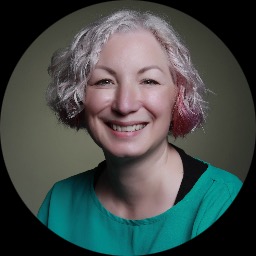
About Rachael
Rachael Davies is a counsellor and clinical hypnotherapist with eight years of practice in the United Kingdom. She works with people carrying stress, anxiety, trauma and abuse, grief, low self-esteem, ADHD, relationship and family difficulties, sleep problems, bipolar and depression, and those coping with life changes. Her work also attends to issues such as attachment, control, compulsions, panic, phobias, self-harm, and guilt and shame.
Rachael combines talking therapies with tools aimed at calming the nervous system. Sessions often include reflective conversation alongside practical techniques. She may use cognitive approaches to shift unhelpful thought patterns and psychodynamic ideas to trace where longstanding patterns began.
Her background includes training in trauma-focused therapy and clinical hypnotherapy, which she draws on when working with memories that continue to affect daily life. She also uses solution-focused ideas to help set clear short-term goals and hypnotherapy to access relaxed states for change work.
Rachael adapts her approach for autistic adults and people with ADHD, and she brings that neurodivergence-informed perspective into planning sessions. She describes her role as listening carefully, asking thoughtful questions, and helping people find practical steps that feel manageable.
People often come to her when they feel stuck despite trying different things. In sessions she aims to reduce overwhelm, explore emotional wounds from earlier relationships, and help people notice patterns that no longer serve them. If someone is unsure how to begin, she asks them to complete a short questionnaire before the first meeting so the work can start with clear priorities.
How her approaches translate to online work
Rachael draws on Client-Centred Therapy to focus sessions on the person’s own concerns, allowing them to set the pace and topics. That approach helps when someone needs space to talk through shame, grief, or the slow effects of trauma. Cognitive Behavioural Therapy (CBT) is used to identify and change unhelpful thought patterns and behaviours, which can be practised between sessions as clear, manageable tasks.She also uses clinical hypnotherapy to help people reach a more relaxed state where new ways of thinking can be introduced. That work is often combined with conversation and grounding techniques so the practical side of change is straightforward and paced to the individual. Choosing which methods to use is collaborative; the therapist and client decide together which tools suit the client’s goals and preferences.
The original biography does not list specific session formats, so confirm current online options before booking. Many people find online work helps fit therapy into busy lives because it removes travel time, allows shorter check-ins where useful, and can make it easier to schedule a session around work or family commitments. Registered or accredited professionals and therapists commonly adapt exercises and homework for remote sessions so the work can continue between meetings.
Areas of expertise
Primary focus
Also works with
Additional focus areas
Therapeutic approaches
Experience
8+ years
Listed in
United Kingdom
Languages
English
Frequently asked questions
What kinds of concerns does she address?
She works with stress, anxiety, trauma and abuse, grief, low self-esteem, ADHD, relationship and family matters, sleep problems, bipolar and depression, and coping with life changes. Additional focus areas include attachment issues, guilt and shame, OCD and panic.
How would she approach shame or guilt in sessions?
She combines talking with practical techniques to lessen overwhelm and gently explore painful memories or beliefs. That can include cognitive work to shift unhelpful thoughts and hypnotherapy to access calmer states for change.
What is her professional background and experience?
She has eight years of experience and a background in trauma-focused therapy and clinical hypnotherapy. She blends several approaches to suit the needs presented in sessions.
Which credentials does she hold and where is she based?
She is listed with BACP and NCPS and practises in the United Kingdom.
Does she work in other languages or with international clients?
Sessions are offered in English and she does not accept international clients at this time.
What session formats are offered?
The original biography does not specify session formats; please confirm current session options before booking.
How are sessions paid for and what do they cost?
Cost varies by location and sessions use a subscription that can be cancelled at any time.
How do I get started with a first session?
Select the See online therapy options button, complete a short matching questionnaire, and schedule a first session.
Online talk therapy is not emergency care. If you are in danger or thinking about harming yourself, use the crisis numbers.