- ACT
- CBT
- EMDR
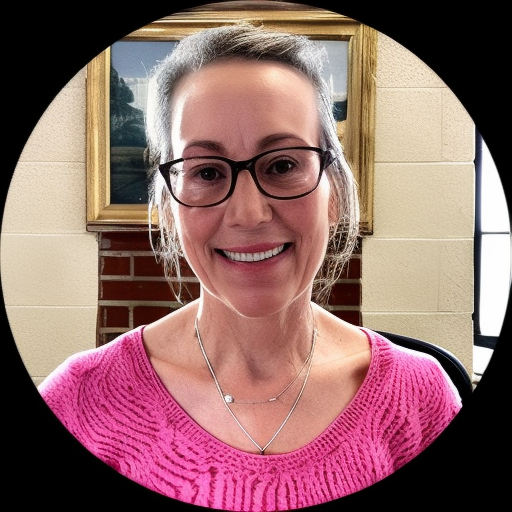
About Sandra
Sandra Bachman is an LISW with three years of clinical experience based in Ohio. She works with adults on stress, anxiety, addictions, relationship concerns, trauma and abuse, and self-esteem. Her practice also addresses attachment issues, communication problems, guilt and shame, life purpose, post-traumatic stress, and self-love.
Sandra focuses on clear, practical conversation. She listens for what matters most and helps people notice patterns that keep them stuck. Sessions often include learning simple skills for handling hard moments and trying small changes between meetings.
She draws on several approaches to match each person's needs, including Acceptance and Commitment Therapy, Cognitive Behavioral Therapy, and EMDR among others. That range lets her shift between talking work, skill practice, and trauma-focused methods when appropriate.
Sandra pays attention to how relationships and past experiences shape daily feelings of guilt or shame. She helps people separate what they did from who they are now and work toward kinder self-talk and more effective communication with others.
Her style is straightforward and focused on practical steps. People leave sessions with things to try in real life - new phrases to use in hard talks, breathing or grounding techniques for stress, and ways to reframe critical self-judgment. To begin, clients complete a short questionnaire and schedule a first session through the online matching process.
How her approaches translate to online work
Sandra commonly draws on Acceptance and Commitment Therapy, Cognitive Behavioral Therapy, and EMDR. ACT helps people notice painful thoughts without fighting them and clarifies personal values to guide change. CBT focuses on identifying thinking patterns and testing new behaviors to reduce anxiety and shame. EMDR is used for trauma processing and can help reduce the intensity of distress linked to past events.Choosing the right approach is a collaborative process. Sandra will discuss what feels most useful based on a person's goals, history, and what they prefer. That conversation can include trying one method for a few sessions and then adjusting as needed so the work fits practical needs.
Session formats are not specified in the biography, so confirm current online options before booking. Many people find remote sessions helpful for fitting therapy into busy schedules, using shorter check-ins during work breaks, or avoiding travel time. Online work makes it easier to keep momentum between sessions with homework, brief skill practice, and consistent weekly appointments when that suits the client.
Areas of expertise
Primary focus
Additional focus areas
Therapeutic approaches
Experience
3+ years
Listed in
Ohio
Languages
English
Frequently asked questions
What concerns does she address related to guilt and shame?
Sandra works with guilt and shame alongside stress, anxiety, addictions, relationship issues, trauma and self-esteem concerns. She also focuses on attachment, communication, life purpose, and self-love.
How would she approach feelings of deep shame?
She uses talk-based work and practical exercises to identify unhelpful thoughts and behaviors. Techniques may include skills from Acceptance and Commitment Therapy and Cognitive Behavioral Therapy to shift responses to shame.
What is her clinical background and experience?
She is an LISW with three years of experience working with adults on trauma, relationships, anxiety, and related concerns.
Where is she licensed and practicing?
Sandra holds an Ohio LISW and practices in Ohio.
In which languages are sessions offered?
Sessions are offered in English.
Does she work with clients outside the United States?
International clients are not currently accepted.
How are fees and billing handled?
Cost varies with location and sessions use a subscription that can be canceled at any time.
How do I start a first session?
Select the See online therapy options button, complete a short matching questionnaire, and schedule the first session.
Online talk therapy is not emergency care. If you are in danger or thinking about harming yourself, use the crisis numbers.