- Psychodynamic approach
- Guilt and shame
- Coping strategies
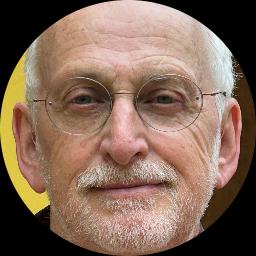
About Stephen
Stephen Hobson is a BACP counsellor in the United Kingdom with five years' experience. He works with stress, anxiety, grief, low self-esteem, coping with life changes and ADHD. He also focuses on feelings of guilt and shame, loneliness, questions about life purpose, men's issues and midlife concerns.
Stephen offers straightforward conversations to help people name what feels out of sync. He listens for patterns from past and present that shape how someone responds. Sessions aim to help people process losses, workplace pressure and personal upheaval so feelings make more sense.
He uses psychodynamic ideas alongside other approaches to match what fits a person. That means looking at past relationships and repeated patterns, and linking them to current difficulties. He will also work on practical coping strategies alongside that reflective work.
Stephen explains feelings and patterns in plain terms and helps people try out different ways of coping. He supports people to re-evaluate troubling thoughts and to build clearer self-understanding. The mix of reflection and practical tools is aimed at reducing stress and improving self-esteem.
To begin, people complete a short matching questionnaire and book a first session. The subscription used for sessions can be cancelled at any time. Confirm the current session options before booking to make sure they suit your needs.
Psychodynamic thinking and online sessions
Psychodynamic Therapy focuses on how past relationships and early patterns influence how someone feels and behaves now. It often involves noticing repeated reactions, linking them to earlier experiences, and talking these through to gain clearer understanding and perspective.Stephen pairs that reflective work with practical coping strategies. He will work collaboratively to find which approach fits best for the issues you bring and your personal preferences. Decisions about methods and pace are made together, based on your goals and what feels useful in practice.
The original biography does not specify which session formats are used, so please confirm current options before booking. Online sessions can make it easier to fit therapy around work or family commitments, and can allow for shorter check-ins when time is limited. Registered or accredited professionals often use remote sessions to maintain continuity of care when travel or distance would be a barrier, and Stephen will help you choose arrangements that suit your everyday life.
Areas of expertise
Additional focus areas
Therapeutic approaches
Experience
5+ years
Listed in
United Kingdom
Languages
English
Frequently asked questions
What kinds of concerns does he work with?
He works with stress, anxiety, grief, low self-esteem, coping with life changes and ADHD, and also focuses on guilt and shame, loneliness, life purpose, men's issues and midlife concerns.
How would he approach feelings of guilt or shame?
He uses psychodynamic ideas alongside other methods to look at how past experiences shape current feelings, and combines that with practical coping strategies to help people make sense of guilt and shame.
What is his clinical background?
He has five years' experience working as a counsellor and uses an integrative style that draws on psychodynamic therapy and other approaches to suit the person.
What credential does he hold and where is he based?
He is registered with the British Association for Counselling and Psychotherapy (BACP) and practises in the United Kingdom.
In what languages are sessions offered?
Sessions are offered in English.
Which session formats are available?
The original biography does not list specific session formats; please confirm the current session options before booking.
How are fees handled?
Cost varies with location and sessions use a subscription that can be cancelled at any time.
How do I begin working with him?
Select the See online therapy options button, complete the short matching questionnaire, and schedule a first session.
Online talk therapy is not emergency care. If you are in danger or thinking about harming yourself, use the crisis numbers.