- CBT techniques
- Mindfulness practice
- Motivational interviewing
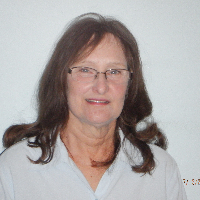
About Susan
Susan Csank is an Ohio LISW (Licensed Independent Social Worker) with 23 years of clinical experience. She works with adults facing stress, anxiety, addiction, depression, trauma, relationship and family concerns, and issues like guilt and shame. She also supports people dealing with caregiver strain, codependency, grief, and problems with intimacy and self-esteem.
Susan uses an eclectic approach that draws on Client-Centered methods, Cognitive Behavioral Therapy (CBT), Dialectical Behavior Therapy (DBT), Motivational Interviewing, and mindfulness. In sessions she helps people identify patterns that keep them stuck and practices concrete skills to cope with intense feelings. She often teaches breathing and mindfulness tools alongside practical behavior changes.
Her work includes individual and group therapy experience, and she has a long history supporting people affected by substance use and their family members. That background informs how she addresses communication problems, family of origin issues, and forgiveness concerns. She frames difficult feelings such as guilt and shame as things to understand and work through rather than labels to carry alone.
Sessions focus on clear goals, skill-building, and short-term strategies as well as deeper themes when needed. She uses motivational interviewing to strengthen commitment to change and CBT and DBT techniques to manage mood, anxiety, and emotional regulation. The mix of methods is chosen to fit each person’s needs and goals.
Susan speaks Estonian in addition to English. Sessions use a subscription model that can be canceled at any time. To begin, prospective clients complete a short matching questionnaire and schedule a first session.
How her approaches translate to online work
Client-Centered Therapy focuses on listening and reflecting back what matters to the person. It helps people feel understood and clarifies their goals. Cognitive Behavioral Therapy (CBT) breaks problems into thoughts, feelings, and actions and uses exercises to change unhelpful patterns. That approach is useful for anxiety, mood issues, and guilt-related thinking. Dialectical Behavior Therapy (DBT) teaches emotion regulation, distress tolerance, and interpersonal effectiveness skills that help with strong or overwhelming feelings.Deciding which approach to use is collaborative. The therapist will talk with the client about goals, try techniques, and adjust based on what helps. Some people start with short-term CBT work and add mindfulness or DBT skills if emotions or relationships need more support.
Confirm the session formats available before booking since the biography named messaging, phone, and video in past practice. Online sessions can make it easier to fit therapy into a workday, use shorter phone check-ins, or practice mindfulness and CBT exercises between meetings. The therapist will discuss which format fits practical needs and the kinds of exercises planned during sessions.
Areas of expertise
Primary focus
Also works with
Additional focus areas
Therapeutic approaches
Experience
23+ years
Listed in
Ohio
Languages
Estonian
Frequently asked questions
What concerns does she help with?
Susan works with stress, anxiety, depression, addiction, trauma, relationship and family issues, and areas like guilt and shame.
How does she approach feelings of guilt or shame?
She treats guilt and shame as emotions to understand and change through skills work and reflective conversation using CBT and mindfulness techniques.
What is her clinical background and experience?
She has 23 years of clinical experience working in mental health and addiction, including individual and group therapy.
What credentials and location are listed?
She is an LISW in Ohio and practices from that state.
Does she offer sessions in other languages?
Sessions are offered in Estonian in addition to English.
What session formats are used?
The original biography referenced messaging, phone, and video sessions; confirm current session options before booking.
How are sessions paid for and what does it cost?
Cost varies with location and sessions are provided through a subscription model that can be canceled at any time.
How do I get started with her?
Select the See online therapy options button, complete a short matching questionnaire, and schedule a first session.
Online talk therapy is not emergency care. If you are in danger or thinking about harming yourself, use the crisis numbers.