- Client-Centered Therapy
- CBT techniques
- DBT skills
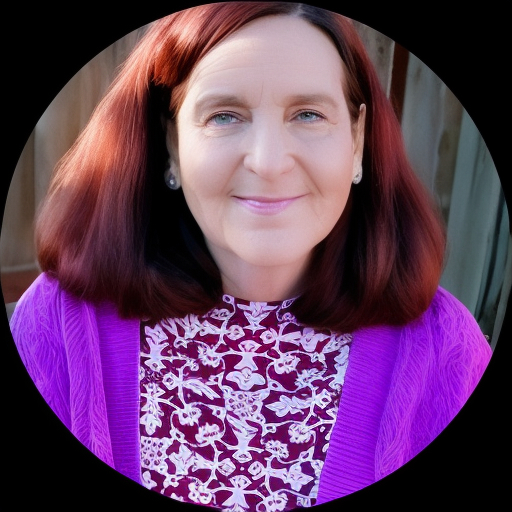
About Suzanne
Suzanne Shumaker is a Licensed Clinical Social Worker (LCSW) in California with three years of clinical experience. She works with adults facing stress, anxiety, addictions, low self-esteem, depression, and major life changes. She also addresses communication problems, grief, and issues around guilt and shame.
Suzanne uses straightforward conversations to help people clarify what matters to them. She focuses on practical skills for coping with strong emotions and on rebuilding a sense of self after difficult events. Sessions often include talking through recent challenges and trying small, practical steps between meetings.
Her work pays attention to guilt and shame that come from past choices, family dynamics, or faith questions. She helps people notice the thoughts and behaviors that keep those feelings active and then test different ways of responding. Forgiveness and self-love are discussed when clients want to explore them.
Suzanne draws on Client-Centered Therapy to keep sessions focused on each person's concerns. She also uses Cognitive Behavioral Therapy (CBT) to identify and shift unhelpful thinking patterns. Elements of Dialectical Behavior Therapy (DBT) inform skills for regulating intense emotions and improving distress tolerance.
People who meet with her should expect a collaborative process that combines listening with concrete tools. To begin, prospective clients complete a short matching questionnaire and schedule a first session. Sessions are arranged through the platform's booking flow and use a subscription model that can be canceled at any time.
How her approaches translate to online sessions
Client-Centered Therapy centers the client's concerns and perspectives. In practice this looks like open-ended conversation, reflective listening, and helping people clarify values and goals. It is useful for hearing through complex feelings and deciding what to work on next.Cognitive Behavioral Therapy (CBT) breaks problems into thoughts, feelings, and actions. Online work commonly includes identifying unhelpful thinking, trying small behavioral experiments, and tracking mood or behavior between sessions. This approach is often helpful for anxiety, low self-esteem, and depression.
Dialectical Behavior Therapy (DBT) provides concrete skills for managing intense emotions. Skills might include distress tolerance, emotion regulation, and mindful awareness. These are practical tools people can practice between meetings to reduce overwhelm and improve coping.
Finding the right mix of approaches is part of the work. The therapist will collaborate with each person to choose methods that fit their needs, goals, and preferences. That choice can be revisited as therapy progresses.
If you want to know which session formats she currently offers, confirm the options before booking. The online setting can make it easier to fit therapy into a busy life by reducing travel and allowing shorter check-ins when needed, but specific formats should be checked ahead of time.
Areas of expertise
Additional focus areas
Therapeutic approaches
Experience
3+ years
Listed in
California
Languages
English
Frequently asked questions
What concerns does she help with?
She helps people with stress, anxiety, addictions, low self-esteem, depression, and coping with life changes. Additional focus areas include communication problems, forgiveness, guilt and shame, life purpose, post-traumatic stress, and self-love.
How would she approach feelings of guilt or shame?
The approach focuses on identifying the thoughts and behaviors that keep guilt and shame active. She combines reflective conversations with practical exercises to test new ways of responding.
What is her professional background?
She is a Licensed Clinical Social Worker with three years of clinical experience working with adults on emotional and behavioral concerns.
Where is she licensed to practice?
She holds an LCSW credential in California and practices from that state.
Does she offer sessions in other languages?
Sessions are offered in English only.
Can international clients work with her?
She is not currently accepting international clients.
How are sessions paid for and how much do they cost?
Cost varies with location and sessions use a subscription model that can be canceled at any time.
How do I start working with her?
Select the See online therapy options button, complete a short matching questionnaire, and schedule a first session.
Online talk therapy is not emergency care. If you are in danger or thinking about harming yourself, use the crisis numbers.