- Military-informed care
- Guilt and shame support
- Anger and addictions
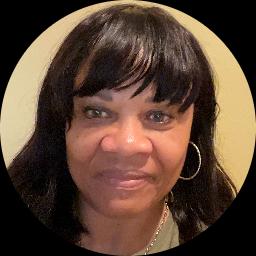
About Bethye
Dr. Bethye Valenzuela is a Licensed Professional Counselor (LPC) practicing in Virginia with 25 years of experience. She helps people who are dealing with stress, anxiety, addictions, trauma and abuse, anger, and depression. She also addresses communication problems, forgiveness, guilt and shame, mood disorders, post-traumatic stress, social anxiety and phobia, and workplace issues.
Valenzuela draws on long experience supporting people to talk through difficult feelings and reactions. She focuses on practical steps people can use to manage strong emotions and reduce overwhelming responses. Sessions are straightforward and focused on what a person is facing now.
As an Army veteran, she has worked extensively with active duty and retired military and with people connected to military life. That background informs how she approaches stress, trauma, and the pressures that come from high-demand jobs. She brings familiarity with military-related concerns while working with each person as an individual.
Her practice aims to make it easier to speak about shame, guilt, and regret without judgment. She helps people name painful thoughts, identify patterns that keep them stuck, and try different ways of responding. The emphasis is on small, doable steps toward better day-to-day functioning.
Getting started involves a brief matching questionnaire and scheduling a first session. Valenzuela uses a subscription model for sessions that can be canceled at any time, and fees vary by location.
How clinical approaches translate online
Dr. Valenzuela uses evidence-based techniques to address stress, trauma, and addiction-related problems. One common approach focuses on recognizing and changing unhelpful thought and behavior patterns, helping people reduce anxiety and manage mood. Another approach emphasizes skills for emotion regulation and anger management, teaching concrete steps to lower intensity and respond differently in heated moments.Choosing the right therapeutic approach is part of the work together. She discusses what a person wants to change, what has felt helpful or unhelpful in the past, and then recommends methods that match those goals. That decision is collaborative and can be adjusted as sessions progress.
Session formats are not specified in the biography, so confirm current options before booking. Online sessions can help fit therapy into a busy week, allow shorter check-ins when life is hectic, and remove the need to travel to an office. Many people find it easier to keep regular appointments when sessions can be scheduled around work or family responsibilities.
Areas of expertise
Primary focus
Additional focus areas
Experience
25+ years
Listed in
Virginia, Missouri
Languages
English
Frequently asked questions
What kinds of concerns does she help with?
She works with stress, anxiety, addictions, trauma and abuse, anger, and depression along with related issues like guilt and shame.
How does she approach feelings of guilt or shame?
She helps people name painful thoughts and notice patterns that keep those feelings active, then practices small, practical ways to respond differently.
What is her professional background?
She has 25 years of professional work experience and is an Army veteran, which shapes her familiarity with stress and trauma in demanding roles.
What credential does she hold and where does she practice?
She is a Licensed Professional Counselor (LPC) with Missouri LPC and Virginia LPC credentials and she practices in Virginia.
Can sessions be done in languages other than English?
Sessions are offered in English.
Does she work with international clients?
She is not currently accepting international clients.
How are sessions paid for and priced?
Cost varies with location and sessions use a subscription that can be canceled at any time.
How do I begin working with her?
Select the See online therapy options button, complete a short matching questionnaire, and schedule a first session.
Online talk therapy is not emergency care. If you are in danger or thinking about harming yourself, use the crisis numbers.