
Marsha Oxamendi
LCSWFlorida · 14 yrs exp
LCSW - Stress and relationship concerns
Stress, Anxiety · Grief · Anger · Self esteem · +12 more
Read profileTherapist listings are provided by BetterHelp. We will earn a commission at no additional cost to you if you use our links to purchase.
Use this page to compare therapist profiles that list social anxiety and phobia alongside guilt and shame. You can review listed location, approaches, credentials, languages and the ways clinicians describe their experience.
Browse profiles to find practitioners whose focus areas and professional background match what matters to you, then reach out to discuss the fit directly.
Florida · 14 yrs exp
LCSW - Stress and relationship concerns
Stress, Anxiety · Grief · Anger · Self esteem · +12 more
Read profile
Illinois · 19 yrs exp
Dr. Steven Hurley - Psychologist, Anxiety and Trauma
Stress, Anxiety · LGBT · Relationship · Trauma and abuse · +9 more
Read profile
Florida · 23 yrs exp
LICSW LCSW - LGBT and Intimacy concerns
LGBT · Intimacy-related issues
Read profile
Minnesota · 14 yrs exp
LMFT - Relationships and trauma related concerns
Stress, Anxiety · Relationship · Family · Trauma and abuse · +8 more
Read profile
District of Columbia · 20 yrs exp
Licensed Professional Counselor - Trauma and mood concerns
Trauma and abuse · Self esteem · Bipolar · Depression · +1 more
Read profile
Arizona · 6 yrs exp
Licensed counselor - anxiety and relationships
Stress, Anxiety · Relationship · Family · Self esteem · +11 more
Read profile
Oregon · 14 yrs exp
Licensed Professional Counselor - Guilt and shame
Grief · Self esteem · Career · Depression · +8 more
Read profile
Florida · 12 yrs exp
LMHC - Guilt and shame, relationships
Stress, Anxiety · Relationship · Intimacy-related issues · Depression · +8 more
Read profile
Oregon · 32 yrs exp
Licensed Marriage and Family Therapist - Anxiety and Relationships
Stress, Anxiety · Relationship · Trauma and abuse · Grief · +9 more
Read profile
Oklahoma · 30 yrs exp
Licensed Professional Counselor - Guilt and shame, Relationships
Stress, Anxiety · Grief · Intimacy-related issues · Depression · +8 more
Read profile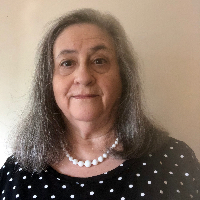
Mississippi · 23 yrs exp
LCSW in Mississippi - Guilt and shame, Life change
Stress, Anxiety · Grief · Anger · Self esteem · +8 more
Read profile
North Carolina · 13 yrs exp
Licensed Clinical Social Worker - Guilt and shame, Relationships
Stress, Anxiety · Relationship · Family · Self esteem · +13 more
Read profile
South Carolina · 10 yrs exp
LISW-CP - Trauma and relationships
Stress, Anxiety · Relationship · Family · Trauma and abuse · +1 more
Read profile
Florida · 10 yrs exp
LCSW - Anxiety and Addictions
Stress, Anxiety · Addictions · Family · Grief · +8 more
Read profile
Michigan · 35 yrs exp
LMSW counselor - Stress and relationships
Stress, Anxiety · Addictions · Trauma and abuse · Self esteem · +3 more
Read profile
North Carolina · 20 yrs exp
Licensed Professional Counselor - Stress and Relationships
Stress, Anxiety · Relationship · Family · Self esteem · +9 more
Read profile
Louisiana · 14 yrs exp
LCSW working with stress and trauma
Stress, Anxiety · Anger · Self esteem · Depression · +9 more
Read profile
Mississippi · 12 yrs exp
Licensed Clinical Social Worker - Guilt and shame, Addictions
Stress, Anxiety · Addictions · Anger · Self esteem · +12 more
Read profile
Tennessee · 35 yrs exp
Licensed Clinical Social Worker - Guilt and shame
Stress, Anxiety · Grief · Self esteem · Depression · +8 more
Read profile
Virginia · 14 yrs exp
Licensed Professional Counselor - Trauma and mood concerns
Trauma and abuse · Grief · Coping with life changes · Compassion fatigue · +12 more
Read profile
Wisconsin · 11 yrs exp
Licensed Professional Counselor - Relationships and Self-esteem
Stress, Anxiety · Relationship · Family · Self esteem · +6 more
Read profile
Alabama · 20 yrs exp
Licensed Professional Counselor - Anxiety and Grief
Stress, Anxiety · Relationship · Grief · Depression · +9 more
Read profile
North Carolina · 25 yrs exp
LCMHC - Stress and Trauma
Stress, Anxiety · Addictions · Family · Trauma and abuse · +11 more
Read profile
South Carolina · 20 yrs exp
Licensed social worker - Stress and eating issues
Stress, Anxiety · Relationship · Eating · Self esteem · +10 more
Read profile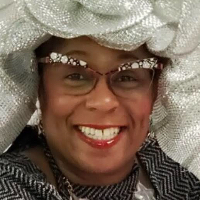
Michigan · 24 yrs exp
Licensed clinical social worker - Guilt and shame
Stress, Anxiety · Addictions · Relationship · Family · +1 more
Read profile
Michigan · 16 yrs exp
Licensed Professional Counselor - Guilt and shame, Addictions
Stress, Anxiety · Addictions · Relationship · Parenting · +8 more
Read profile
New York · 13 yrs exp
LMHC - Anxiety and Guilt support
Stress, Anxiety · Self esteem · Depression · Coping with life changes · +8 more
Read profile
Oregon · 17 yrs exp
LMFT - Stress and trauma focused
Stress, Anxiety · Trauma and abuse · Grief · Intimacy-related issues · +1 more
Read profile
Texas · 5 yrs exp
LCSW - Stress and relationship concerns
Stress, Anxiety · Relationship · Family · Trauma and abuse · +9 more
Read profile
Texas · 3 yrs exp
Licensed Professional Counselor - Anxiety and Guilt work
Stress, Anxiety · Addictions · Relationship · Family · +5 more
Read profileSocial anxiety and social phobia describe intense worry about social situations and fear of negative judgment. You may notice avoidance of events, difficulty speaking up, or a persistent sense that you are being evaluated. Guilt and shame are related but distinct emotional experiences. Guilt tends to focus on a behavior - you feel remorse for something you did or did not do. Shame focuses on the self - you feel flawed, exposed, or unworthy. Both can overlap with social anxiety when fears about others noticing or judging you are part of the pattern.
When you look at profiles on this page, you will see therapists who list both social anxiety and phobia and guilt or shame among their focus areas. That listing does not prove a particular training or outcome, but it can help you find profiles where the clinician has chosen to highlight work with these concerns. Talking about the difference between guilt and shame with a therapist can help you see whether your distress is shaped more by actions you regret or by harsh negative beliefs about who you are.
There is no single path that connects social anxiety with feelings of guilt or shame. For some people, social anxiety grows out of shame about core aspects of identity or long-standing beliefs about worth. For others, a specific incident that caused guilt may create fear of others noticing or judging you, reinforcing avoidance and isolation. You should read this as possibilities to explore rather than fixed causes.
If you live with guilt or shame tied to family expectations, faith traditions, relationships or past mistakes, these feelings can influence how you approach social situations. The way a therapist on a profile describes their interest in social anxiety and in guilt or shame may indicate that they are prepared to talk about how these threads interact in your life. It is reasonable to ask a clinician how they typically help people untangle feelings about actions from more global self-judgments and whether they have experience addressing cultural, religious or relational contexts that shape shame.
When you review profiles, think about the specific questions you want to ask before deciding to contact someone. You might ask whether the clinician has worked with adults whose social anxiety is connected to persistent shame about identity, mistakes or family history. Ask how they describe their approach to fears of judgment - whether they frame work around behavior change, exposure to feared situations, acceptance-based strategies or exploring underlying beliefs. Use language such as therapists who list CBT, ACT, exposure-based work, compassionate-focused approaches or mindfulness among their approaches to prompt a conversation, remembering that a listed approach is not proof of formal certification.
It is helpful to ask about experience with cultural factors and language needs. If you prefer therapy in a language other than the dominant language of your region, look for profiles that list those languages and ask how the clinician incorporates cultural context into sessions. Clarify whether a clinician works with adults only or also with adolescents, couples or families, because a listed topic does not establish that the therapist treats children, couples or families. These concrete questions will help you understand whether a clinician's background and description of practice align with your situation without relying on assumptions.
If you are considering remote sessions, there are practical topics worth discussing so you feel informed. Talk about the session format - whether they tend to use video, phone or a mix - and how they handle differences in time zones or the listed location on their profile. Ask about privacy practices and how electronic communications are handled, and whether they have a plan for urgent situations. If shame brings thoughts of self-harm, you should contact emergency services and crisis lines immediately. In the United States call 911 for immediate danger or dial 988 to reach the 988 Lifeline. In the United Kingdom call 999 for emergencies or contact Samaritans at 116 123. In Australia call 000 for emergencies or Lifeline at 13 11 14. If you are elsewhere, your local emergency number or crisis line can help in a crisis.
Also discuss practical boundaries for communication between sessions, how cancellations are managed, and whether the clinician coordinates care with other professionals if you are seeing a doctor or psychiatrist. A conversation about these items before you begin a course of sessions can clarify expectations and reduce stress about logistics so you can focus on addressing social anxiety and the guilt or shame that matters to you.
Profiles are written by clinicians to describe their focus areas, training and the ways they describe their work. When you compare profiles, pay attention to how a therapist describes their experience with social anxiety, social phobia, guilt and shame rather than assuming identical meaning across different profiles. Look at listed approaches as conversation starters. For example, you may notice therapists who list exposure-based work or CBT among their approaches, therapists who list acceptance-based or compassion-focused language, or therapists who list exploratory or psychodynamic orientations. These phrases help you form specific questions to ask.
Credentials listed on profiles may include academic degrees such as PhD, PsyD, MD, MA or MSW. Those are educational qualifications and do not, by themselves, indicate current permission to practice. Permission to practice is typically described differently in each country. In the United States clinicians commonly use professional licenses such as licensed psychologist, licensed clinical social worker, licensed professional counselor or marriage and family therapist. In the United Kingdom clinicians may be registered with bodies like the Health and Care Professions Council or hold membership in professional associations such as the British Association for Counselling and Psychotherapy or the UK Council for Psychotherapy. In Australia clinicians who practice as psychologists may be registered with the Australian Health Practitioner Regulation Agency and some hold membership in professional groups such as the Australian Psychological Society. Profiles may mention these registrations or memberships; use those details to prompt questions about how a clinician’s background relates to the help you want.
Also consider style and communication. Some profiles emphasize a direct, skills-focused approach while others emphasize relational exploration, narrative work or cultural humility. If language matters to you, filter by listed languages or ask about bilingual practice. Pay attention to the listed location on a profile to understand the region the clinician references, and remember that a listed topic does not establish that the clinician treats every population or problem. Comparing profiles with concrete questions in mind will help you find clinicians whose practice descriptions match what you want to explore about social anxiety, phobia, guilt and shame.
Taking time to read profiles and prepare a short list of questions helps you move forward with intention. Use the profiles here to start conversations with clinicians who describe work with the concerns you carry, and be candid about the aspects of guilt or shame that feel most pressing for you. That clarity will help you make an informed choice about who to contact and what to ask first.
Alabama
97 therapists
Alaska
19 therapists
Arizona
91 therapists
Arkansas
63 therapists
Australia
307 therapists
California
802 therapists
Colorado
180 therapists
Connecticut
69 therapists
Delaware
13 therapists
District of Columbia
20 therapists
Florida
661 therapists
Georgia
165 therapists
Hawaii
28 therapists
Idaho
48 therapists
Illinois
246 therapists
Indiana
118 therapists
Iowa
31 therapists
Kansas
50 therapists
Kentucky
126 therapists
Louisiana
124 therapists
Maine
19 therapists
Maryland
141 therapists
Massachusetts
81 therapists
Michigan
249 therapists
Minnesota
95 therapists
Mississippi
74 therapists
Missouri
149 therapists
Montana
45 therapists
Nebraska
41 therapists
Nevada
50 therapists
New Hampshire
12 therapists
New Jersey
158 therapists
New Mexico
34 therapists
New York
399 therapists
North Carolina
262 therapists
North Dakota
10 therapists
Ohio
168 therapists
Oklahoma
135 therapists
Oregon
56 therapists
Pennsylvania
251 therapists
Rhode Island
11 therapists
South Carolina
119 therapists
South Dakota
16 therapists
Tennessee
125 therapists
Texas
847 therapists
United Kingdom
1362 therapists
Utah
75 therapists
Vermont
19 therapists
Virginia
132 therapists
Washington
108 therapists
West Virginia
23 therapists
Wisconsin
109 therapists
Wyoming
20 therapists