- guilt and shame
- communication problems
- attachment issues
About Bruno
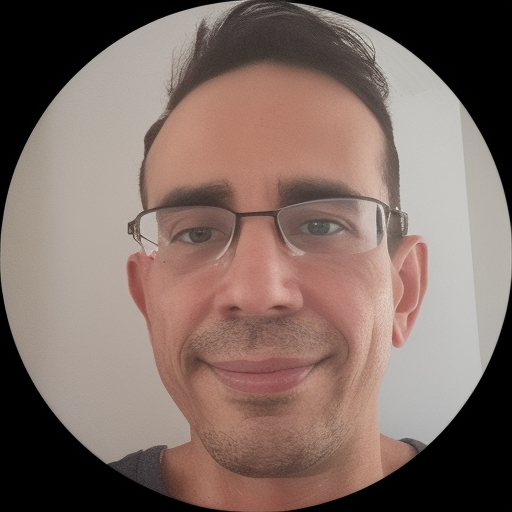
Bruno Soares is an LCMHC (Licensed Clinical Mental Health Counselor) practicing in North Carolina with 15 years of experience. He works with people facing relationship strain, intimacy concerns, anger, and depression. He also addresses guilt and shame alongside related struggles like attachment issues and communication problems.
Bruno focuses on practical conversations that name what feels heavy. He helps people talk through what they carry day to day and traces how old patterns keep showing up now. Sessions tend to look at specific moments that trigger blame, resentment, or withdrawal, and explore small changes that alter those moments.
He frames problems as patterns people have learned rather than fixed flaws. That perspective shifts attention from blame to clearer choices about how to respond. Bruno uses evidence-based therapeutic techniques to help people recognize unhelpful patterns and practice different responses.
People bring a range of concerns, from caregiver stress and control issues to loneliness and questions about life purpose. He also works with panic attacks, post-traumatic stress, and social anxiety when those tie into relationship or shame-related problems. Bruno is comfortable talking about forgiveness and the hard feelings that follow separation or divorce.
Sessions are conversational and focused on actionable steps. He asks about what matters most to each person and then tests small changes between meetings. International clients may be served and sessions are conducted in English. To begin, clients use the site matching steps to schedule a first session.
Evidence-based approaches and online sessions
Bruno works from evidence-based therapeutic techniques that focus on clear, practical steps. One frequent approach looks at learned interaction patterns and how they show up in relationships; this helps when guilt or shame is tied to repeated reactions and communication breakdowns. Another approach focuses on anxiety and panic symptoms by identifying triggers and practicing short exercises to reduce intense physiological reactions during stressful moments.Choosing the right method is a collaborative process. He will discuss different techniques and together with the client decide which fits their goals, needs, and preferences. That choice can be adjusted over time as the work moves forward.
The original biography did not list specific session formats, so confirm current online options before booking. Online work can make it easier to fit sessions into a busy week, offer a quieter setting when you need it, or let someone check in during a shorter break. Many people find remote sessions help maintain momentum between meetings and practice real-life changes where they happen.
Areas of expertise
Primary focus
Additional focus areas
Experience
15+ years
Listed in
North Carolina
Languages
English
Frequently asked questions
What kinds of problems does he address?
He works with relationship stress, intimacy concerns, anger, and depression, and also addresses related topics like guilt and shame, attachment, and communication problems.
How does he approach guilt and shame?
He helps people name the moments those feelings appear, trace patterns that keep them alive, and try small changes to how they respond in those moments.
What is his background and experience?
He has 15 years of clinical experience and practices as an LCMHC in North Carolina.
Where is he based and licensed?
He is based in North Carolina and holds the LCMHC credential in that state.
Can I work with him if I live outside the United States?
International clients are accepted; sessions are offered in English.
What session formats are offered?
The original biography did not specify session formats, so confirm current session options before booking.
How are sessions priced?
Cost varies with location and sessions use a subscription model that can be canceled at any time.
How do I begin a first session?
Select the See online therapy options button, complete a short matching questionnaire, and schedule a first session.
Online talk therapy is not emergency care. If you are in danger or thinking about harming yourself, use the crisis numbers.