- Trauma-informed care
- DBT and CBT skills
- Mindfulness techniques
About Holly
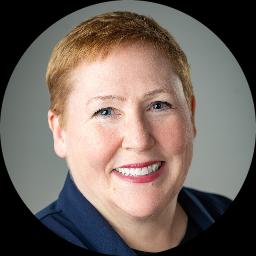
Holly Erskine is a Licensed Clinical Social Worker (LCSW) licensed in Wisconsin with 15 years of experience. She works with people dealing with stress, anxiety, trauma and abuse, low self-esteem, depression, and major life changes. Holly also lists help for issues such as guilt and shame among her focus areas.
Holly uses a trauma-informed perspective. She understands difficult reactions as linked to life experiences. In session she aims to hear what matters to the client and to build clear goals together.
Her day-to-day approach blends client-centered work with evidence-based strategies. She draws on Cognitive Behavioral Therapy and Dialectical Behavior Therapy skills to address emotion regulation, unhelpful thoughts, and behaviors that keep problems going. Mindfulness practices are used to increase moment-to-moment awareness.
For people who have experienced severe or prolonged trauma, she incorporates trauma-focused methods to address post-traumatic stress and complex trauma symptoms. That can include careful pacing and skills for tolerating distress alongside processing trauma material.
Holly emphasizes the therapeutic relationship and straightforward planning. Early sessions focus on getting to know each other, clarifying what the client hopes to change, and creating a practical plan. She encourages questions and works collaboratively on steps that fit a person's life and goals.
How her approaches translate to online sessions
Holly uses Client-Centered Therapy to focus on the person's goals and priorities. That means sessions begin with listening and clarifying what the client wants to work on, then shaping the work around those aims. Cognitive Behavioral Therapy (CBT) addresses unhelpful thoughts and behaviors with practical exercises and homework to test new ways of thinking. Dialectical Behavior Therapy (DBT) builds specific skills for managing intense emotions and improving interpersonal effectiveness.Finding the right approach is part of the work. Holly will collaborate with the client to identify which combination of client-centered listening, CBT exercises, DBT skills, or trauma-focused methods fits their needs and preferences. She adjusts the plan as progress and new concerns emerge.
The original biography does not specify which session formats are offered, so confirm current online options before booking. Online sessions can make it easier to fit therapy into a busy life, reduce travel time, and allow short check-ins when schedules are tight. They also let people use mindfulness or skills practice in the moments those tools are needed most.
Areas of expertise
Additional focus areas
Therapeutic approaches
Experience
15+ years
Listed in
Wisconsin
Languages
English
Frequently asked questions
What concerns does she work with?
She works with stress, anxiety, trauma and abuse, low self-esteem, depression, and coping with life changes, with additional focus areas including guilt and shame.
How does she approach feelings of guilt or shame?
She uses a trauma-informed, client-centered approach and draws on CBT and DBT skills to help people understand and respond differently to guilt and shame.
What is her clinical background?
Holly has 15 years of experience in mental health, working with trauma-related symptoms, PTSD, complex trauma, mood and personality difficulties.
What are her credentials and where is she based?
She is a Licensed Clinical Social Worker, WI LCSW, practicing in Wisconsin.
Does she work in languages other than English or with international clients?
Sessions are offered in English and she is not currently accepting international clients.
What session formats are offered?
The original biography does not list specific session formats; please confirm current session options before booking.
How does cost work for sessions?
Cost varies with location and sessions use a subscription model that can be canceled at any time.
How do I begin working with her?
Select the See online therapy options button, complete a short matching questionnaire, and schedule a first session.
Online talk therapy is not emergency care. If you are in danger or thinking about harming yourself, use the crisis numbers.