- Addictions support
- Trauma work
- English and Spanish
About Irenaida
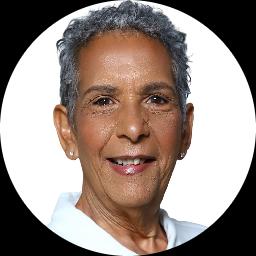
Irenaida Diaz is a Florida Licensed Clinical Social Worker (LCSW) with 40 years of professional experience. She works with adults facing addictions, LGBT concerns, trauma and abuse, eating issues, coaching needs, and ADHD. Sessions are offered in English and Spanish and Irenaida accepts international clients.
Irenaida focuses on practical conversations about what is happening now and what the client wants to change. She listens for concrete patterns around behavior, triggers, and relationships. From there she and the client outline small, doable steps to shift those patterns.
Her work draws on Client-Centered methods to center the person's perspective and on Cognitive Behavioral Therapy to identify unhelpful thoughts and behaviors. She also uses Solution-Focused techniques to set short-term goals and Trauma-Focused approaches when painful past events affect day-to-day life.
Sessions often involve talking through recent situations, naming the emotions involved, and trying out new ways of responding. For someone carrying guilt or shame, she pays attention to how those feelings show up in choices and relationships, and how they affect self-talk and impulse control.
With four decades of experience, Irenaida brings a steady, experienced presence to practical problem-solving. She invites clients to set clear objectives and to track progress in straightforward ways. To begin, clients complete a short matching questionnaire and schedule an initial session.
How her approaches translate to online sessions
Client-Centered Therapy centers the client's experience and uses listening and reflection to clarify what matters most. It helps when someone needs a place to talk through feelings like guilt or shame and to have their perspective acknowledged. Cognitive Behavioral Therapy (CBT) focuses on identifying unhelpful thoughts and testing new behaviors. It is useful for addressing patterns such as compulsive eating, substance use, or harsh self-judgment. Trauma-Focused Therapy involves careful work with memories and reactions that stem from past harm; it aims to reduce how much those memories shape current behavior and emotional responses.Choosing an approach is collaborative. The therapist will discuss goals, listen to how guilt or shame shows up, and try methods that fit the client's needs and preferences. Over a few sessions she will check what is helping and adjust the plan together.
Confirm current session options before booking so you know which formats are offered. Online work can make scheduling easier and help sessions fit into a workday or family routine. It also allows for shorter check-ins when time is limited and for using video or audio depending on comfort and bandwidth. Ask about available formats when you complete the matching questionnaire.
Areas of expertise
Primary focus
Also works with
Additional focus areas
Therapeutic approaches
Experience
40+ years
Listed in
Florida
Languages
English, Spanish
Frequently asked questions
What concerns does she address related to guilt and shame?
She works with issues like addictions, trauma, eating concerns, and codependency where guilt and shame often appear.
How does she approach therapy for these issues?
Her approach mixes Client-Centered listening with Cognitive Behavioral techniques and Solution-Focused goal work to change thoughts and behaviors.
How much experience does she have working with these problems?
She has 40 years of professional experience addressing addictions, trauma, eating issues, and related concerns.
What credentials and location does she hold?
She is a Florida Licensed Clinical Social Worker (LCSW) based in Florida.
Which languages are supported in sessions?
Sessions are offered in English and Spanish.
Can international clients work with her?
Yes, she accepts international clients.
What do sessions cost and how are they billed?
Cost varies by location; sessions use a subscription that can be canceled at any time.
How do I start a first session?
Select the See online therapy options button, complete a short matching questionnaire, and schedule a first session.
Online talk therapy is not emergency care. If you are in danger or thinking about harming yourself, use the crisis numbers.