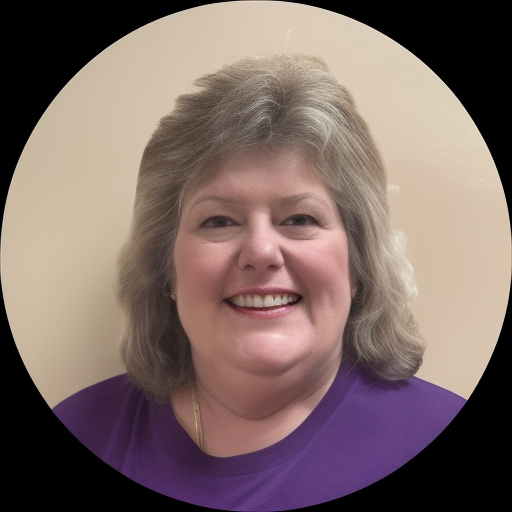
Marsha Oxamendi
LCSWFlorida · 14 yrs exp
LCSW - Stress and relationship concerns
Stress, Anxiety · Grief · Anger · Self esteem · +12 more
Read profileTherapist listings are provided by BetterHelp. We will earn a commission at no additional cost to you if you use our links to purchase.
Use the profiles below to compare therapists who list Commitment Issues alongside work with guilt and shame. Review listed location, languages, credentials, approaches, and therapist style, then browse profiles to learn more.
Florida · 14 yrs exp
LCSW - Stress and relationship concerns
Stress, Anxiety · Grief · Anger · Self esteem · +12 more
Read profile
Michigan · 25 yrs exp
Licensed counselor - Guilt and shame related concerns
Stress, Anxiety · LGBT · Relationship · Grief · +10 more
Read profile
Illinois · 19 yrs exp
Dr. Steven Hurley - Psychologist, Anxiety and Trauma
Stress, Anxiety · LGBT · Relationship · Trauma and abuse · +9 more
Read profile
Florida · 23 yrs exp
LICSW LCSW - LGBT and Intimacy concerns
LGBT · Intimacy-related issues
Read profile
New York · 24 yrs exp
LCSW - Stress and relationship concerns
Stress, Anxiety · Relationship · Anger · Self esteem · +12 more
Read profile
Arizona · 6 yrs exp
Licensed counselor - anxiety and relationships
Stress, Anxiety · Relationship · Family · Self esteem · +11 more
Read profile
Oregon · 14 yrs exp
Licensed Professional Counselor - Guilt and shame
Grief · Self esteem · Career · Depression · +8 more
Read profile
Florida · 12 yrs exp
LMHC - Guilt and shame, relationships
Stress, Anxiety · Relationship · Intimacy-related issues · Depression · +8 more
Read profile
North Carolina · 13 yrs exp
Licensed Clinical Social Worker - Guilt and shame, Relationships
Stress, Anxiety · Relationship · Family · Self esteem · +13 more
Read profile
Florida · 10 yrs exp
LCSW - Anxiety and Addictions
Stress, Anxiety · Addictions · Family · Grief · +8 more
Read profile
Kentucky · 11 yrs exp
LMFT in Kentucky - Relationships and Guilt and shame
Stress, Anxiety · Relationship · Family · Self esteem · +9 more
Read profile
Florida · 20 yrs exp
Florida LMHC - Relationships and Anxiety
Stress, Anxiety · Relationship · Family · Self esteem · +9 more
Read profile
Tennessee · 35 yrs exp
Licensed Clinical Social Worker - Guilt and shame
Stress, Anxiety · Grief · Self esteem · Depression · +8 more
Read profile
Virginia · 14 yrs exp
Licensed Professional Counselor - Trauma and mood concerns
Trauma and abuse · Grief · Coping with life changes · Compassion fatigue · +12 more
Read profile
Alabama · 20 yrs exp
Licensed Professional Counselor - Anxiety and Grief
Stress, Anxiety · Relationship · Grief · Depression · +9 more
Read profile
South Carolina · 20 yrs exp
Licensed social worker - Stress and eating issues
Stress, Anxiety · Relationship · Eating · Self esteem · +10 more
Read profile
Florida · 20 yrs exp
LMHC - Anxiety and Relationships
Stress, Anxiety · Addictions · Relationship · Self esteem · +1 more
Read profile
Michigan · 16 yrs exp
Licensed Professional Counselor - Guilt and shame, Addictions
Stress, Anxiety · Addictions · Relationship · Parenting · +8 more
Read profile
Oregon · 17 yrs exp
LMFT - Stress and trauma focused
Stress, Anxiety · Trauma and abuse · Grief · Intimacy-related issues · +1 more
Read profile
Florida · 11 yrs exp
Florida LMHC - Guilt and relationship concerns
Stress, Anxiety · Relationship · Parenting · Self esteem · +11 more
Read profile
Colorado · 13 yrs exp
Licensed Marriage and Family Therapist - Relationships and Trauma
Stress, Anxiety · LGBT · Relationship · Trauma and abuse · +10 more
Read profile
Florida · 20 yrs exp
Florida LMHC - Anxiety and Grief
Stress, Anxiety · Relationship · Grief · Self esteem · +1 more
Read profile
North Carolina · 20 yrs exp
LCMHC LPC - Anxiety and Addictions
Stress, Anxiety · Addictions · LGBT · Relationship · +1 more
Read profile
Georgia · 3 yrs exp
Licensed Professional Counselor - Stress and Anxiety
Stress, Anxiety · Self esteem · Career · Depression · +1 more
Read profile
Texas · 11 yrs exp
LCSW - Relationships and Guilt
Stress, Anxiety · Relationship · Trauma and abuse · Self esteem · +5 more
Read profile
Nevada · 25 yrs exp
LMFT - Relationships and Guilt issues
Stress, Anxiety · Relationship · Family · Trauma and abuse · +1 more
Read profile
Pennsylvania · 15 yrs exp
Licensed Professional Counselor - Stress and Trauma
Stress, Anxiety · Relationship · Self esteem · Depression · +14 more
Read profile
Texas · 19 yrs exp
Licensed Professional Counselor - Stress and Relationships
Stress, Anxiety · Relationship · Family · Trauma and abuse · +12 more
Read profile
Michigan · 26 yrs exp
LMSW in Michigan - Guilt and relationship concerns
Stress, Anxiety · Addictions · Relationship · Grief · +14 more
Read profile
Ohio · 18 yrs exp
Ohio LISW - Guilt and shame, relationships
Stress, Anxiety · Relationship · Grief · Self esteem · +10 more
Read profileWhen you think about commitment concerns, you may be noticing patterns in relationships, career choices, or personal decisions that feel stuck or confusing. Those struggles often sit alongside feelings of guilt and shame, but guilt and shame are not the same experience. Guilt tends to relate to something you feel you did or did not do - it points to an action and can motivate repair. Shame is the painful sense that something is wrong with you as a person - it can feel global and swallowing. Both emotions can come from family messages, faith traditions, relationship histories, or past hurt that has not been spoken about.
Talking through these experiences with a therapist can help you see how thoughts and feelings fit together and where patterns repeat. You can explore whether cravings to avoid commitment are linked to fear of making the wrong choice, worry that you will disappoint others, or a deeper sense of not being worthy. The aim of discussing these themes is to clarify what you are experiencing and to identify ways of relating that feel more manageable. If shame includes thoughts of self-harm or you feel you might be at risk, contact local emergency services or crisis lines right away - in the United States call 988, in the United Kingdom call 999 or Samaritans at 116 123, and in Australia call 000 or Lifeline at 13 11 14. If you are elsewhere, use your local emergency number or crisis resource.
Profiles on this page group clinicians who list Commitment Issues as a focus area and who also list guilt and shame among their additional concerns. That overlap does not establish that one caused the other, but it does reflect a common professional interest in working with patterns where emotions and decisions interact. For example, you might find a clinician who describes helping people unpack how early family expectations shaped their view of obligations and choice. Another profile might emphasize work on relationship patterns and boundaries that affect whether you feel able to say yes or no. These are different angles on the same landscape.
In practical terms, you can use profiles to understand how therapists frame the relationship between decision-making and emotion. Some profiles will describe approaches that aim to explore the stories you tell about yourself, while others might focus on present-day relationship dynamics or responses to past trauma. None of this is proof of a particular outcome; it is information to help you choose which profiles you want to read in more detail and which clinicians you might contact to ask further questions about their approach to commitment concerns and related feelings of guilt or shame.
When you look at profiles, prepare a few concrete questions that matter to you so that you can compare answers fairly. You might ask how a therapist understands the link between guilt and decision-making; whether they commonly work with people whose concerns stem from family or faith contexts; or how they help someone who feels stuck between desire and fear. If approach matters, you can ask therapists who list certain approaches to describe how they apply those approaches in sessions. Phrase your questions so they invite description rather than claims - for example, ask how an approach is used rather than assuming training or certification.
It is also important to distinguish academic degrees from permissions to practice. Degrees such as PhD, PsyD, MD, MA, and MSW indicate academic training but do not by themselves establish current authority to practice in a given jurisdiction. In the United States many profiles will note state licensing; in the United Kingdom clinicians may cite registration or membership with national professional bodies; in Australia look for registration or membership relevant to that country. Ask about both the degree and the professional registration or license that lets someone practice where you are located. Finally, you might ask about their experience working with adults who carry guilt or shame about identity, actions, or omission, and whether they routinely work with issues arising from trauma, relationships, or faith-based contexts. Remember that a listed focus area does not automatically mean the therapist works with children, couples, or families, so raise those specifics in your questions if they apply to you.
If you are considering remote sessions, discuss practical and safety topics before beginning. Clarify the technology you will use and what happens if a connection drops during a session. Ask about how the clinician handles emergencies when you are in a different region, and whether they have an emergency plan that aligns with where you are located. Because rules about practice across jurisdictions vary, ask whether the therapist is permitted to provide care to people in your listed location and what that means in terms of regulation and oversight. You can also ask how they work with the particular intensity of shame - whether they tend to focus on immediate coping strategies, exploration of underlying stories, or relational patterns.
Set expectations about session structure and communication preferences so you know how the therapist will handle follow-up between meetings if that is offered. Discuss boundaries that matter to you, such as the therapist’s approach to disclosure of personal information, how they introduce goal-setting, and how they check in about progress. If you experience shame related to faith or cultural background, you can ask how those topics are typically approached. Should shame come with active thoughts of self-harm, contact local emergency services or a crisis line right away - see the numbers above for US, UK, and Australia. If you are outside those countries, reach out to your local emergency services or crisis resources.
Profiles are a way to compare several dimensions at once so you can decide which clinicians you want to learn more about. Look for clear statements about focus areas - do they list Commitment Issues, guilt, or shame? Note whether they describe the contexts in which they most often encounter those themes, such as relationships, family dynamics, or decisions tied to career or faith. Review language options, since being able to speak in the language you prefer can change how easily you express nuanced feelings. Consider credentials separately from permitted practice: academic degrees show training background, while licenses, registrations, or memberships indicate how the clinician is authorized to practice where you are located.
Your sense of a therapist’s personal style is also important. Profiles often mention whether a clinician is more direct or reflective, more structured or exploratory, and whether they emphasize skills, narrative work, or relationship patterns. Think about which descriptions feel like they would allow you to speak about guilt and shame without moral judgement. Form concrete comparison questions you can bring to an initial conversation - ask how they typically open a first few sessions on commitment concerns, what pacing they find helpful when shame is intense, and what kinds of supports they suggest outside of sessions. Use listed location to understand geographic context, and remember that a listed focus does not guarantee particular session formats or client populations, so address those details directly with the clinician.
Comparing profiles can help you find a match for the kind of exploration you want. The goal is not to promise an outcome but to find clinicians whose emphasis, explanation, and style align with how you want to be seen and heard while you explore commitment questions and the guilt or shame that may accompany them.
Alabama
97 therapists
Alaska
19 therapists
Arizona
91 therapists
Arkansas
63 therapists
Australia
307 therapists
California
802 therapists
Colorado
180 therapists
Connecticut
69 therapists
Delaware
13 therapists
District of Columbia
20 therapists
Florida
661 therapists
Georgia
165 therapists
Hawaii
28 therapists
Idaho
48 therapists
Illinois
246 therapists
Indiana
118 therapists
Iowa
31 therapists
Kansas
50 therapists
Kentucky
126 therapists
Louisiana
124 therapists
Maine
19 therapists
Maryland
141 therapists
Massachusetts
81 therapists
Michigan
249 therapists
Minnesota
95 therapists
Mississippi
74 therapists
Missouri
149 therapists
Montana
45 therapists
Nebraska
41 therapists
Nevada
50 therapists
New Hampshire
12 therapists
New Jersey
158 therapists
New Mexico
34 therapists
New York
399 therapists
North Carolina
262 therapists
North Dakota
10 therapists
Ohio
168 therapists
Oklahoma
135 therapists
Oregon
56 therapists
Pennsylvania
251 therapists
Rhode Island
11 therapists
South Carolina
119 therapists
South Dakota
16 therapists
Tennessee
125 therapists
Texas
847 therapists
United Kingdom
1362 therapists
Utah
75 therapists
Vermont
19 therapists
Virginia
132 therapists
Washington
108 therapists
West Virginia
23 therapists
Wisconsin
109 therapists
Wyoming
20 therapists