- Guilt and shame work
- Grief support
- Evidence-based techniques
About Karen
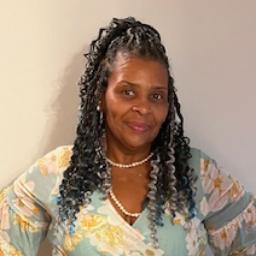
Karen Wells is a Licensed Clinical Social Worker (LCSW) in North Carolina with eight years of professional experience. She helps people facing stress, anxiety, family conflict, trauma and abuse, grief, and depression. Karen also supports those dealing with related concerns such as adoption and foster care, caregiver strain, body image, and guilt and shame.
Her approach is straightforward and conversational. She focuses on making it easy to talk about difficult feelings so people can name what is happening and think about next steps. Sessions are a place to discuss memories, current pressures, and relationships without judgement.
In practice she listens for what matters most to each person and works together to find practical ways forward. That can include learning how to manage intense reactions, changing unhelpful patterns, or handling difficult conversations. She pays attention to how past experiences influence present behavior and feelings.
Karen draws on evidence-based therapeutic techniques to guide sessions. She encourages small, doable steps and clear options rather than long lists of theory. The focus is on usable skills and realistic adjustments that fit everyday life.
People come to her for help with issues across the life span, including grief, post-traumatic stress, postpartum depression, and problems tied to caregiving or aging. If you want to explore whether her way of working fits your situation, the next step is to review the online therapy options and complete the short matching questionnaire.
How evidence-based techniques translate to online sessions
Evidence-based therapeutic techniques are a focus in Karen's work. One common approach is structured problem solving - breaking stressful issues into smaller parts and practicing new responses. This helps with anxiety, decision-making, and daily stressors. Another helpful approach is focusing on processing trauma and difficult memories through steady, paced conversations that reduce their hold on daily life.Choosing which techniques to use is usually collaborative. The therapist and client review current goals, symptoms, and preferences and then try approaches that fit those needs. Adjustments happen as the work progresses so the plan reflects what is most useful for the person in front of her.
The practical benefits of online sessions include fitting therapy into a busy week and keeping conversations consistent across time. Because specific session formats were not listed in the biography, confirm the currently supported options before booking. Online work can make it easier to maintain regular check-ins, have shorter follow-ups when needed, or avoid travel time so therapy fits into everyday life.
Areas of expertise
Primary focus
Additional focus areas
Experience
8+ years
Listed in
North Carolina
Languages
English
Frequently asked questions
What kinds of concerns does she address?
She works with stress, anxiety, family conflict, trauma and abuse, grief, and depression. She also supports people with related issues like caregiver stress, body image, and guilt and shame.
How does she approach feelings of guilt or shame?
She uses conversational sessions to help name and talk through the feelings. The work focuses on practical steps to reduce their impact on daily life.
What is her clinical background?
She has eight years of professional experience working with a range of concerns including trauma, grief, and depression.
What credentials and location apply?
She is an LCSW licensed in North Carolina and practices with that credential.
Does she offer sessions in other languages or internationally?
Sessions are offered in English. She does not accept international clients at this time.
What session formats are used?
The original biography does not list specific session formats. Please confirm current session options before booking.
How are fees handled?
Cost varies with location and sessions use a subscription that can be canceled at any time.
What do I do to begin?
Click the See online therapy options button, complete a short matching questionnaire, and schedule a first session.
Online talk therapy is not emergency care. If you are in danger or thinking about harming yourself, use the crisis numbers.