
Marsha Oxamendi
LCSWFlorida · 14 yrs exp
LCSW - Stress and relationship concerns
Stress, Anxiety · Grief · Anger · Self esteem · +12 more
Read profileTherapist listings are provided by BetterHelp. We will earn a commission at no additional cost to you if you use our links to purchase.
Compare profiles of professionals who list aging and geriatric issues along with guilt and shame as areas of focus. Use listed location, approaches, credentials and languages to find profiles that match what you want to explore; browse the profiles below to begin.
Florida · 14 yrs exp
LCSW - Stress and relationship concerns
Stress, Anxiety · Grief · Anger · Self esteem · +12 more
Read profile
Michigan · 25 yrs exp
Licensed counselor - Guilt and shame related concerns
Stress, Anxiety · LGBT · Relationship · Grief · +10 more
Read profile
Florida · 23 yrs exp
LICSW LCSW - LGBT and Intimacy concerns
LGBT · Intimacy-related issues
Read profile
Texas · 22 yrs exp
Licensed Professional Counselor - Guilt and life changes
Stress, Anxiety · Grief · Career · Depression · +9 more
Read profile
Oklahoma · 30 yrs exp
Licensed Professional Counselor - Guilt and shame, Relationships
Stress, Anxiety · Grief · Intimacy-related issues · Depression · +8 more
Read profile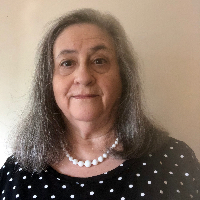
Mississippi · 23 yrs exp
LCSW in Mississippi - Guilt and shame, Life change
Stress, Anxiety · Grief · Anger · Self esteem · +8 more
Read profile
Florida · 10 yrs exp
LCSW - Anxiety and Addictions
Stress, Anxiety · Addictions · Family · Grief · +8 more
Read profile
Michigan · 35 yrs exp
LMSW counselor - Stress and relationships
Stress, Anxiety · Addictions · Trauma and abuse · Self esteem · +3 more
Read profile
Pennsylvania · 9 yrs exp
Licensed Professional Counselor - Guilt and shame, relationships
Stress, Anxiety · Grief · Parenting · Self esteem · +11 more
Read profile
Florida · 20 yrs exp
Florida LMHC - Relationships and Anxiety
Stress, Anxiety · Relationship · Family · Self esteem · +9 more
Read profile
Tennessee · 35 yrs exp
Licensed Clinical Social Worker - Guilt and shame
Stress, Anxiety · Grief · Self esteem · Depression · +8 more
Read profile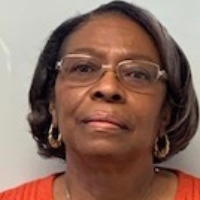
Alabama · 20 yrs exp
Licensed Professional Counselor - Anxiety and Grief
Stress, Anxiety · Relationship · Grief · Depression · +9 more
Read profile
Michigan · 24 yrs exp
Licensed clinical social worker - Guilt and shame
Stress, Anxiety · Addictions · Relationship · Family · +1 more
Read profile
North Carolina · 30 yrs exp
LCMHC - Stress and Trauma
Stress, Anxiety · Addictions · LGBT · Trauma and abuse · +1 more
Read profile
Texas · 26 yrs exp
Licensed counselor - Guilt and shame, relationships
Stress, Anxiety · Relationship · Trauma and abuse · Grief · +11 more
Read profile
South Carolina · 25 yrs exp
LPC counselor - anxiety and trauma
Stress, Anxiety · LGBT · Relationship · Trauma and abuse · +9 more
Read profile
Florida · 20 yrs exp
Florida LMHC - Anxiety and Grief
Stress, Anxiety · Relationship · Grief · Self esteem · +1 more
Read profile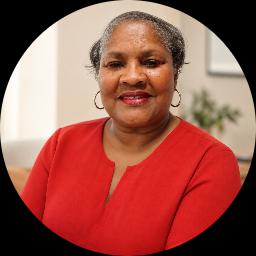
Oklahoma · 27 yrs exp
LPC in Oklahoma - Guilt and shame, trauma
Stress, Anxiety · Addictions · Parenting · Anger · +11 more
Read profile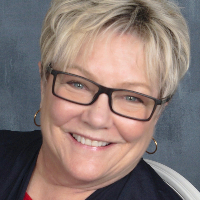
Florida · 40 yrs exp
Florida LCSW - Addictions and Relationships
Addictions · Relationship · Grief · Depression · +13 more
Read profile
Michigan · 26 yrs exp
LMSW in Michigan - Guilt and relationship concerns
Stress, Anxiety · Addictions · Relationship · Grief · +14 more
Read profile
Ohio · 18 yrs exp
Ohio LISW - Guilt and shame, relationships
Stress, Anxiety · Relationship · Grief · Self esteem · +10 more
Read profile
North Carolina · 27 yrs exp
Licensed clinical counselor - Guilt and shame
Stress, Anxiety · Self esteem · Coping with life changes · Relationship · +7 more
Read profile
Virginia · 20 yrs exp
VA Psychologist - Guilt and trauma focus
Read profile
North Carolina · 20 yrs exp
Licensed counselor - Guilt and shame, addictions
Stress, Anxiety · Addictions · Anger · Depression · +7 more
Read profile
Pennsylvania · 28 yrs exp
Licensed counselor - Stress and grief
Stress, Anxiety · Addictions · Grief · Self esteem · +1 more
Read profile
Wisconsin · 20 yrs exp
Licensed Professional Counselor - Stress and Anxiety
Stress, Anxiety · Self esteem · Career · Depression · +2 more
Read profile
Florida · 16 yrs exp
LCSW - Relationships and Life Change
Stress, Anxiety · Relationship · Parenting · Self esteem · +8 more
Read profile
California · 14 yrs exp
LPCC in California - Family and Trauma focus
Family · Trauma and abuse · Self esteem · Coping with life changes · +1 more
Read profile
Arizona · 10 yrs exp
LCSW in Arizona - Mood and life transitions
Stress, Anxiety · Self esteem · Bipolar · Depression · +10 more
Read profile
Wisconsin · 8 yrs exp
Licensed Professional Counselor - Relationships and Anxiety
Stress, Anxiety · Relationship · Self esteem · Career · +10 more
Read profileWhen you carry painful feelings about things you did or did not do, or about who you are, it helps to understand the difference between guilt and shame. Guilt tends to focus on actions - you may feel bad about something you did or failed to do and think that a different action would have changed the outcome. Shame, by contrast, tends to focus on the self - you may feel that there is something fundamentally wrong with you. Both experiences can be intense at any age, and in later life they often sit alongside losses, changes in role, and shifting family dynamics.
Talking these feelings through with someone who knows how to work with aging-related concerns can help you see patterns and options more clearly. That does not promise forgiveness or closure, but it can give you language to describe what you feel and to explore where those feelings come from. If thoughts of harming yourself are present or intensify when you think about shame, contact emergency services immediately or reach out to a crisis line for urgent help. For example, call your local emergency number, or use national lines such as 988 in the United States, Samaritans at 116 123 in the United Kingdom, or Lifeline at 13 11 14 in Australia.
As you age, the context around guilt and shame often changes. You may be coping with role reversals, such as becoming dependent on a child or partner for care, or you may be in the position of providing care and feeling guilt about decisions you have to make. Past regrets can feel sharper when milestones are approaching or when health changes prompt reflection. Memory loss, health-related limitations, and grief over lost capacities can also bring up questions about identity, worth, and responsibility that feel similar to shame.
It is important to note that listing aging and geriatric issues and guilt or shame together on a profile is a record of focus areas, not a statement about cause. For some people, aging-related events bring up old wounds and patterns that make guilt and shame more visible. For others, those feelings are long-standing and persist regardless of life stage. When you look at profiles, you will see therapists who describe working with older adults in contexts such as caregiving transitions, end-of-life reflections, dealing with remorse, and navigating family relationships. These descriptions can help you choose whom to contact to discuss how your specific concerns might fit with a clinician's experience.
When you read profiles, consider what you want from a conversation and prepare concrete questions to ask a clinician before you commit to a first meeting. You might ask about their experience working with older adults and with the particular mix of feelings you have, such as guilt tied to caregiving decisions or shame connected to identity changes. You can ask whether they have experience coordinating with medical teams, social workers, or care homes when that is relevant to your situation. Ask how they describe their therapeutic style - some people prefer a straightforward, problem-solving approach while others want a slower, reflective process. Remember that profiles may list a variety of approaches; for example, you may see therapists who list EMDR among their approaches, or who describe narrative or psychodynamic work as part of their practice. These listings indicate approaches they use, not proof of certification or guarantees about outcomes.
Be clear about credentials and permission to practice in the place where you live. Academic degrees such as PhD, PsyD, MD, MA, or MSW indicate educational background. A degree alone does not establish current permission to practice. In the United States you may ask about a state license type and number; in the United Kingdom you may ask whether the practitioner is registered or a member of a national professional body; in Australia you may ask about registration or membership relevant to your jurisdiction. These are different systems: degrees are academic qualifications, while licenses, registrations, and memberships are how professional permission and oversight are commonly described in each country. Profiles often list degrees, professional memberships, and the clinician's listed location, which can help you frame these questions before you reach out.
If you are considering online care, there are specific practical topics to cover so you know what to expect. Ask how the clinician manages time zones and cross-border practice, and whether they have permission to provide care to people in your country or state. Discuss how they handle emergencies and what steps you should take if you have an urgent mental health need between sessions. Ask about the technology they use and whether they can accommodate hearing aids, interpreters, or other communication needs. If you rely on a carer or family member for support, discuss how they work with others involved in care and how information-sharing boundaries and information-sharing are managed in those situations.
It is also sensible to ask about documentation and records - for example, how notes are kept and how you can access them if you need to. If medications may be part of your overall care, ask how the clinician communicates with prescribers and whether they are willing to coordinate with your medical team. These conversations help you set clear expectations and to judge whether a clinician's practice style and practical arrangements match what you need. None of this guarantees an outcome, but it can help you make an informed choice about whether to take the next step.
When you browse profiles on this page, use the information you find to compare concrete elements that matter to you. Look at focus areas to see whether a clinician lists aging-related themes such as caregiving transitions, end-of-life reflection, or cognitive changes alongside guilt and shame. Note the approaches they list and think about whether those descriptions match your preferences for more structured work, conversational exploration, or emotion-focused inquiry. Keep in mind that listings of techniques or approaches do not prove specific training or certification - they indicate what a clinician reports using.
Language is often critical. If you prefer to talk in a language other than English, check profiles for languages spoken and consider asking directly about interpreter arrangements if needed. Compare credentials by separating academic degrees from professional permission to practice. A profile may show a PhD or MSW and also list a professional license, registration, or membership. You can ask whether the clinician currently holds permission to practice in your jurisdiction and what bodies oversee that permission. Finally, pay attention to how each clinician describes their style and the populations they work with. Some profiles will emphasize practical problem-solving, others reflective processing of life narratives, and others a focus on relationships. Matching style and focus to what you hope to address can make initial conversations more productive.
Choosing someone to talk with about guilt and shame in later life is a personal process. Use the listed location, profile descriptions, and stated languages, credentials and approaches to make comparisons that matter to you. When you contact a clinician, be prepared to describe what you are carrying and to ask the concrete questions suggested here. If feelings of shame include thoughts of self-harm, please seek immediate help from emergency services or a crisis line in your country. Otherwise, take your time, read profiles carefully, and start a conversation with someone whose descriptions feel like a reasonable fit for what you want to explore.
Alabama
97 therapists
Alaska
19 therapists
Arizona
91 therapists
Arkansas
63 therapists
Australia
307 therapists
California
802 therapists
Colorado
180 therapists
Connecticut
69 therapists
Delaware
13 therapists
District of Columbia
20 therapists
Florida
661 therapists
Georgia
165 therapists
Hawaii
28 therapists
Idaho
48 therapists
Illinois
246 therapists
Indiana
118 therapists
Iowa
31 therapists
Kansas
50 therapists
Kentucky
126 therapists
Louisiana
124 therapists
Maine
19 therapists
Maryland
141 therapists
Massachusetts
81 therapists
Michigan
249 therapists
Minnesota
95 therapists
Mississippi
74 therapists
Missouri
149 therapists
Montana
45 therapists
Nebraska
41 therapists
Nevada
50 therapists
New Hampshire
12 therapists
New Jersey
158 therapists
New Mexico
34 therapists
New York
399 therapists
North Carolina
262 therapists
North Dakota
10 therapists
Ohio
168 therapists
Oklahoma
135 therapists
Oregon
56 therapists
Pennsylvania
251 therapists
Rhode Island
11 therapists
South Carolina
119 therapists
South Dakota
16 therapists
Tennessee
125 therapists
Texas
847 therapists
United Kingdom
1362 therapists
Utah
75 therapists
Vermont
19 therapists
Virginia
132 therapists
Washington
108 therapists
West Virginia
23 therapists
Wisconsin
109 therapists
Wyoming
20 therapists