- Cognitive Behavioral Therapy
- Mindfulness techniques
- Solution-focused tools
About Michelle
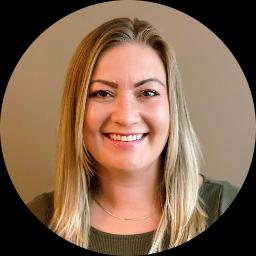
Michelle Lehto Flores is an Illinois Licensed Clinical Professional Counselor (LCPC) with nine years of clinical experience. She works with adults dealing with addictions, anger, low self-esteem, bipolar disorder, and depression. Sessions are conducted in English and she practices in Illinois.
Michelle draws on her lived experience with mental health and addiction to inform her work. She meets people who are facing major life transitions, trauma, and high stress. She also helps with blended family issues, communication problems, immigration-related stress, and feelings of isolation.
Her approach uses practical, evidence-based techniques. She often uses Cognitive Behavioral Therapy and solution-focused tools alongside mindfulness strategies. In conversations she focuses on building coping skills, clarifying values, and setting small, manageable goals.
Michelle also addresses problems that overlap, such as co-morbidity, drug and alcohol addiction, mood disorders, and issues tied to money or life purpose. She works with adults coping with guilt and shame and explores how those feelings affect choices and relationships.
Getting started involves completing a short matching questionnaire and scheduling a first session. Sessions are arranged through a subscription model that can be canceled at any time, with fees that vary by location. International clients are not accepted at this time.
Evidence-based approaches and how they work online
Michelle commonly uses Cognitive Behavioral Therapy to help people identify and change unhelpful thinking and behavior patterns. CBT is practical and goal-oriented, and it is often used for depression, anxiety, mood disorders, and problems with addiction.She also uses mindfulness techniques to help people notice difficult feelings without reacting to them. Mindfulness can reduce reactivity and support clearer decision-making when guilt or shame are present.
Finding the right approach happens together. The therapist will talk with each person about goals, preferences, and what feels most useful. That collaborative process guides which techniques are emphasized over time.
Confirm the exact session options before booking, as formats are not specified in the biography. Online sessions can make it easier to fit therapy into a workday, reduce travel time, or allow shorter check-ins when schedules are tight. Talk with the therapist during the matching process about how to arrange sessions to suit your routine and needs.
Areas of expertise
Primary focus
Additional focus areas
Experience
9+ years
Listed in
Illinois
Languages
English
Frequently asked questions
What kinds of problems does she help with?
She supports adults facing addictions, anger, low self-esteem, bipolar disorder, and depression. Additional areas include guilt and shame, family and blended family concerns, and isolation.
How does she approach guilt and shame?
She uses practical methods such as cognitive strategies and mindfulness to notice unhelpful thoughts and build coping skills. The work focuses on how guilt and shame influence behavior and choices.
What is her professional background?
She holds a master’s degree in Forensic Psychology and has nine years of clinical experience working with people in high-stress and transitional situations.
What credential does she hold and where does she practice?
She is an Illinois Licensed Clinical Professional Counselor (LCPC) and practices in Illinois.
Which languages are supported in sessions?
Sessions are offered in English.
Can people from other countries work with her?
International clients are not accepted at this time.
How are sessions paid for and what do they cost?
Sessions use a subscription that can be canceled at any time and costs vary with location. Exact pricing is provided during the sign-up process.
How do I begin working with her?
Use the See online therapy options button, complete a short matching questionnaire, and schedule a first session.
Online talk therapy is not emergency care. If you are in danger or thinking about harming yourself, use the crisis numbers.