
Ruth Vanden Bosch
LPCMichigan · 25 yrs exp
Licensed counselor - Guilt and shame related concerns
Stress, Anxiety · LGBT · Relationship · Grief · +10 more
Read profileTherapist listings are provided by BetterHelp. We will earn a commission at no additional cost to you if you use our links to purchase.
This page groups profiles of clinicians who list Young Adult Issues and also note guilt and shame among their focus areas. Use the profile filters to compare focus areas, approaches, degrees, registration and listed location.
Browse profiles to learn more about the clinicians' approaches and languages, then reach out to discuss your needs directly.
Michigan · 25 yrs exp
Licensed counselor - Guilt and shame related concerns
Stress, Anxiety · LGBT · Relationship · Grief · +10 more
Read profile
Florida · 23 yrs exp
LICSW LCSW - LGBT and Intimacy concerns
LGBT · Intimacy-related issues
Read profile
Arizona · 6 yrs exp
Licensed counselor - anxiety and relationships
Stress, Anxiety · Relationship · Family · Self esteem · +11 more
Read profile
Texas · 22 yrs exp
Licensed Professional Counselor - Guilt and life changes
Stress, Anxiety · Grief · Career · Depression · +9 more
Read profile
Florida · 12 yrs exp
LMHC - Guilt and shame, relationships
Stress, Anxiety · Relationship · Intimacy-related issues · Depression · +8 more
Read profile
North Carolina · 13 yrs exp
Licensed Clinical Social Worker - Guilt and shame, Relationships
Stress, Anxiety · Relationship · Family · Self esteem · +13 more
Read profile
Florida · 10 yrs exp
LCSW - Anxiety and Addictions
Stress, Anxiety · Addictions · Family · Grief · +8 more
Read profile
Michigan · 35 yrs exp
LMSW counselor - Stress and relationships
Stress, Anxiety · Addictions · Trauma and abuse · Self esteem · +3 more
Read profile
Kentucky · 11 yrs exp
LMFT in Kentucky - Relationships and Guilt and shame
Stress, Anxiety · Relationship · Family · Self esteem · +9 more
Read profile
Pennsylvania · 9 yrs exp
Licensed Professional Counselor - Guilt and shame, relationships
Stress, Anxiety · Grief · Parenting · Self esteem · +11 more
Read profile
Louisiana · 14 yrs exp
LCSW working with stress and trauma
Stress, Anxiety · Anger · Self esteem · Depression · +9 more
Read profile
Mississippi · 12 yrs exp
Licensed Clinical Social Worker - Guilt and shame, Addictions
Stress, Anxiety · Addictions · Anger · Self esteem · +12 more
Read profile
Florida · 20 yrs exp
Florida LMHC - Relationships and Anxiety
Stress, Anxiety · Relationship · Family · Self esteem · +9 more
Read profile
Virginia · 14 yrs exp
Licensed Professional Counselor - Trauma and mood concerns
Trauma and abuse · Grief · Coping with life changes · Compassion fatigue · +12 more
Read profile
Wisconsin · 11 yrs exp
Licensed Professional Counselor - Relationships and Self-esteem
Stress, Anxiety · Relationship · Family · Self esteem · +6 more
Read profile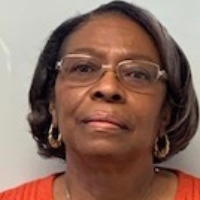
Alabama · 20 yrs exp
Licensed Professional Counselor - Anxiety and Grief
Stress, Anxiety · Relationship · Grief · Depression · +9 more
Read profile
South Carolina · 20 yrs exp
Licensed social worker - Stress and eating issues
Stress, Anxiety · Relationship · Eating · Self esteem · +10 more
Read profile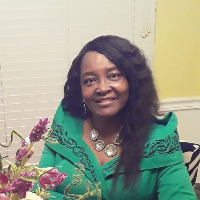
Florida · 20 yrs exp
LMHC - Anxiety and Relationships
Stress, Anxiety · Addictions · Relationship · Self esteem · +1 more
Read profile
Michigan · 16 yrs exp
Licensed Professional Counselor - Guilt and shame, Addictions
Stress, Anxiety · Addictions · Relationship · Parenting · +8 more
Read profile
New York · 13 yrs exp
LMHC - Anxiety and Guilt support
Stress, Anxiety · Self esteem · Depression · Coping with life changes · +8 more
Read profile
Oregon · 17 yrs exp
LMFT - Stress and trauma focused
Stress, Anxiety · Trauma and abuse · Grief · Intimacy-related issues · +1 more
Read profile
Texas · 5 yrs exp
LCSW - Stress and relationship concerns
Stress, Anxiety · Relationship · Family · Trauma and abuse · +9 more
Read profile
Louisiana · 15 yrs exp
Dr. Natisha Davis-Wilson, LPC - Stress and Trauma
Stress, Anxiety · Trauma and abuse · Grief · Self esteem · +1 more
Read profile
Florida · 11 yrs exp
Florida LMHC - Guilt and relationship concerns
Stress, Anxiety · Relationship · Parenting · Self esteem · +11 more
Read profile
New Jersey · 10 yrs exp
Licensed counselor - Guilt and relationships
Stress, Anxiety · Relationship · Family · Parenting · +4 more
Read profile
Colorado · 13 yrs exp
Licensed Marriage and Family Therapist - Relationships and Trauma
Stress, Anxiety · LGBT · Relationship · Trauma and abuse · +10 more
Read profile
South Carolina · 25 yrs exp
LPC counselor - anxiety and trauma
Stress, Anxiety · LGBT · Relationship · Trauma and abuse · +9 more
Read profile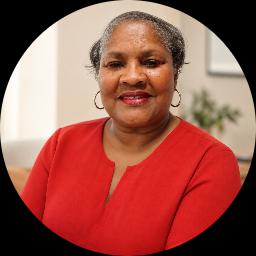
Oklahoma · 27 yrs exp
LPC in Oklahoma - Guilt and shame, trauma
Stress, Anxiety · Addictions · Parenting · Anger · +11 more
Read profile
North Carolina · 20 yrs exp
LCMHC LPC - Anxiety and Addictions
Stress, Anxiety · Addictions · LGBT · Relationship · +1 more
Read profile
Texas · 11 yrs exp
LCSW - Relationships and Guilt
Stress, Anxiety · Relationship · Trauma and abuse · Self esteem · +5 more
Read profileWhen you carry hard feelings about things you did or did not do, it helps to separate guilt and shame so you can talk about them more clearly. Guilt is often experienced as remorse about a specific action - you may think I did something wrong and wish you could make amends. Shame tends to feel like a judgment about who you are - a sense that you are fundamentally flawed or unworthy. Both can linger after relationships, faith-based experiences, family dynamics, or traumatic events, and both can influence how you relate to others and to yourself.
Talking these feelings through with a professional can help you see the boundaries between behavior and identity without moralizing. Therapists can help you explore the roots of guilt and shame, notice patterns in thoughts and reactions, and practice ways to respond differently to triggers. You should not expect promises of forgiveness or closure from a profile; instead use conversations with a clinician to understand how they frame these issues and what questions they recommend you explore together. If shame is accompanied by thoughts of harming yourself, contact emergency services or a crisis line in your area right away.
Young adulthood is a period of significant transition - moving for work or study, shifting social roles, changing relationships, and re-evaluating values you were taught. Those transitions can surface guilt about past choices, lingering shame from family messages, or confusion about identity and belonging. You might feel guilt for leaving a relationship, shame about not meeting expectations, or a sense that your mistakes mark you permanently. These reactions are common in this life stage but are experienced differently by each person.
This directory groups profiles that list Young Adult Issues alongside guilt and shame so you can find clinicians who name these concerns on their profiles. That listing does not mean a clinician practices a specific therapy or holds a particular credential; it indicates they identify these topics among their focus areas. When you read a profile, look for how the clinician describes their work with young adults and whether their language aligns with how you want to be approached - for example, whether they emphasize exploration of values, skill-building for independence, or processing of past harm.
When you view a profile, it helps to prepare concrete questions so you can compare clinicians more easily. Ask how they conceptualize the difference between guilt and shame and what they typically explore first when someone brings those feelings. Instead of assuming a single method, ask if they work with approaches that focus on thoughts and behaviors, on emotion processing, or on interpersonal patterns. You might ask whether they have experience working with transitions common to young adulthood, such as leaving home, starting higher education, or managing emerging career stress.
Be clear about credentials and what those credentials mean in your region. In the United States, many clinicians are licensed to practice and will list a license type on their profile. In the United Kingdom and Australia, clinicians often list registration or membership with a professional body rather than a US-style license. Academic degrees such as PhD, PsyD, MD, MA, or MSW are different from professional permission to practice; a degree alone does not confirm that a clinician currently holds a license, registration, or membership. You can ask clinicians to explain their training and ongoing professional requirements and to describe the range of issues they usually address with people in their listed location.
If you are considering remote sessions, clarify a few practical and clinical points before you begin. Ask whether the clinician offers remote work to people in your region and what their listed location means for your care. Discuss how they handle emergencies given that they may be located in a different jurisdiction, and make sure you know local resources to contact if you need immediate help. Talk about the format of sessions - whether they focus on talk-based exploration, problem-solving, or emotional processing - and whether they suggest any initial steps you can take between conversations to make therapy feel more grounded.
It is also reasonable to ask how they approach boundaries and privacy in online meetings and how they will document your work together. Because a profile lists topics a clinician addresses, you should discuss scope of practice directly - a listed topic does not establish that the clinician treats children, couples, or families. If you use medication, or if you have ongoing medical or legal concerns connected to your feelings, plan to discuss coordination with other professionals early on so roles are clear.
When comparing profiles, focus on concrete signals that matter to you. Read how clinicians describe their focus areas to see whether they name experiences similar to yours - for example, family-related shame, faith-related guilt, relationship regrets or trauma-related self-blame. Look for information about the approaches they list; you might find clinicians who list cognitive behavioral approaches, psychodynamic work, emotion-focused options, or therapists who list EMDR among their approaches. Those listings are topics to discuss, not proof of a specific certification.
Check the languages spoken in profiles if language is important to how you express emotion. Note listed location as a practical detail about where the clinician operates, which may affect regional registration or licensing rules. Compare credentials carefully - a PhD or PsyD signals a doctoral degree, an MD indicates a medical degree with different training, and MA or MSW refer to graduate-level education in related fields. Separate degree titles from professional permissions to practice in your country. Finally, pay attention to tone and style on the profile - whether a clinician uses practical, skills-based language or descriptive, reflective language - and choose someone whose way of describing their work feels respectful of how you experience guilt and shame.
Use profile information to narrow your search, and then reach out to clinicians to ask the specific questions that matter to you. If you ever feel that your shame includes thoughts of harming yourself, call emergency services or a crisis line in your country right away.
Alabama
97 therapists
Alaska
19 therapists
Arizona
91 therapists
Arkansas
63 therapists
Australia
307 therapists
California
802 therapists
Colorado
180 therapists
Connecticut
69 therapists
Delaware
13 therapists
District of Columbia
20 therapists
Florida
661 therapists
Georgia
165 therapists
Hawaii
28 therapists
Idaho
48 therapists
Illinois
246 therapists
Indiana
118 therapists
Iowa
31 therapists
Kansas
50 therapists
Kentucky
126 therapists
Louisiana
124 therapists
Maine
19 therapists
Maryland
141 therapists
Massachusetts
81 therapists
Michigan
249 therapists
Minnesota
95 therapists
Mississippi
74 therapists
Missouri
149 therapists
Montana
45 therapists
Nebraska
41 therapists
Nevada
50 therapists
New Hampshire
12 therapists
New Jersey
158 therapists
New Mexico
34 therapists
New York
399 therapists
North Carolina
262 therapists
North Dakota
10 therapists
Ohio
168 therapists
Oklahoma
135 therapists
Oregon
56 therapists
Pennsylvania
251 therapists
Rhode Island
11 therapists
South Carolina
119 therapists
South Dakota
16 therapists
Tennessee
125 therapists
Texas
847 therapists
United Kingdom
1362 therapists
Utah
75 therapists
Vermont
19 therapists
Virginia
132 therapists
Washington
108 therapists
West Virginia
23 therapists
Wisconsin
109 therapists
Wyoming
20 therapists