- Stress and anxiety
- Trauma and abuse
- Guilt and shame
About Monique
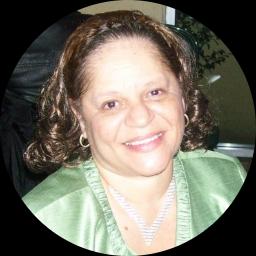
Monique Young is a Licensed Marriage and Family Therapist (LMFT) in California with five years of clinical experience. She works with people facing stress, anxiety, LGBTQ concerns, trauma and abuse, grief, and depression. Monique uses practical conversation and collaborative planning to help clients sort through difficult feelings.
She focuses on the immediate problems people bring, such as panic attacks, social anxiety, isolation, and caregiver stress. She also addresses relational issues like communication problems and the emotional fallout from loss. Guilt and shame, and questions about forgiveness and self-love, are named areas she helps people talk through.
Monique adapts sessions to each person's situation. She listens, reflects what she hears, and helps shape short-term goals. The process often includes trying small changes between sessions and checking what does or does not work.
Her work draws on evidence-based therapeutic techniques to support people with mood disorders, post-traumatic stress, and lingering anxiety. Sessions tend to focus on practical skills and clearer thinking rather than long theoretical discussion.
People considering therapy are invited to describe the specific problem they want to address. Monique guides the planning for therapy and helps clients decide concrete steps for coping and change.
How evidence-based methods shape online sessions
Many therapists who use evidence-based techniques draw on methods that teach practical skills and shift unhelpful thinking. One common approach focuses on identifying and changing thinking patterns that increase anxiety or self-blame. This helps with panic, social anxiety, and persistent guilt by breaking down how thoughts drive feelings and behavior.Another helpful approach emphasizes gradual practice of new behaviors and coping skills. It uses step-by-step exercises to reduce avoidance, manage panic symptoms, and rebuild confidence after trauma or loss. These exercises are concrete and can be practiced between sessions to see what helps.
Finding the right approach is part of the work. The therapist will help decide which techniques fit the client's concerns, goals, and preferences. This is a collaborative process that may shift as issues change.
Confirm session formats before booking since they are not listed in the biography. Online therapy can make scheduling easier and help fit sessions around work, caregiving, or travel. It can also allow for shorter check-ins, phone-only options that use less bandwidth, or video sessions when visual connection is helpful. These practical options help therapy fit into everyday life.
Areas of expertise
Primary focus
Additional focus areas
Experience
5+ years
Listed in
California
Languages
English
Frequently asked questions
What concerns does she help with?
She works with stress, anxiety, LGBTQ concerns, trauma and abuse, grief, and depression. Additional focus areas include caregiver stress, communication problems, guilt and shame, and social anxiety.
How does she approach feelings of guilt or shame?
She uses straightforward conversation and practical exercises to help people name and work through guilt and shame. The focus is on small steps and changing what is unhelpful.
What is her clinical experience?
She has five years of professional work experience helping people with anxiety, trauma, grief, and related concerns.
What credentials and location are listed?
Monique is a CA LMFT, a Licensed Marriage and Family Therapist practicing in California.
Can I work with her if I live outside the United States?
Sessions are offered to international clients as well as those in California. Sessions are conducted in English.
What session formats are available?
The original biography does not list session formats. Confirm current session options before booking to know whether phone or video sessions are offered.
How does cost work?
Cost varies with location and sessions use a subscription that can be canceled at any time.
How do I begin working with her?
Select the See online therapy options button, complete a short matching questionnaire, and schedule a first session.
Online talk therapy is not emergency care. If you are in danger or thinking about harming yourself, use the crisis numbers.