- Guilt and shame
- Trauma symptoms
- Acceptance and Commitment Therapy
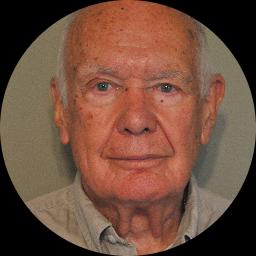
About Paul
Paul D. Wess is an Ohio LPCC with 30 years of experience in clinical practice. He holds master's degrees in psychology and sociology and completed additional doctoral-level study leading to a Certificate of Advanced Graduate Study. He describes a primary interest in healing trauma and the symptoms that often accompany it, such as anxiety, depression, and relationship strain.
His work attends to how experiences show up in the body, thoughts, emotions, and a person's sense of self. Sessions typically explore patterns that keep old hurts active, including attachment and abandonment issues. He also addresses anger, addiction, mood concerns, panic, and the strain of caregiving and compassion fatigue.
Paul draws on a mix of approaches to help people make practical changes. He uses Acceptance and Commitment Therapy to clarify values and take action, Cognitive Behavioral Therapy to notice and shift unhelpful thinking and behavior patterns, and Client-Centered Therapy to focus on a person's own perspective. He also integrates Dialectical Behavior Therapy and existential ideas when they fit the work.
People often come for help with guilt and shame, self-esteem, intimacy, or feeling isolated. He also supports those coping with grief, life transitions, and questions about purpose. Sessions are offered in English and Estonian and occur from his Ohio practice.
Paul aims for clear, direct conversations that connect what someone feels with what they do next. He asks practical questions, offers skills and reflection, and helps people decide on small steps they can try between meetings.
How Paul uses therapeutic methods online
Acceptance and Commitment Therapy helps people name what matters to them and take small actions toward those values, even when painful thoughts or feelings are present. Cognitive Behavioral Therapy focuses on spotting patterns in thinking and behavior and trying specific, practical changes to reduce distress and improve daily functioning. Client-Centered Therapy emphasizes the person’s own view of their experience and uses reflective conversation to clarify goals and choices.Deciding which approach to use is a collaborative process. Paul will talk with each person about their goals, symptoms, and preferences, and then recommend techniques or combinations of approaches to try. The plan can be adjusted as work proceeds to better match what helps in practice.
The practical benefits of online sessions include fitting meetings into a busy life and reducing travel time so it’s easier to keep appointments. Confirm the current session formats before booking, since specific online options are not listed in the biography. Many people find remote sessions helpful for shorter check-ins, slower-paced skill practice, or consistent weekly work when an in-person visit would be hard to arrange.
Areas of expertise
Primary focus
Also works with
Additional focus areas
Therapeutic approaches
Experience
30+ years
Listed in
Ohio
Languages
English, Estonian
Frequently asked questions
What kinds of concerns does he help with?
He works with stress, anxiety, trauma and abuse, anger, bipolar and mood disorders, depression, addictions, relationship and family issues, grief, intimacy concerns, self-esteem, and compassion fatigue.
How would he approach guilt or shame?
He uses practical therapies such as Acceptance and Commitment Therapy and Cognitive Behavioral Therapy to notice painful thoughts and values-driven actions, while also addressing attachment and forgiveness themes in conversation.
What is his professional background?
He has 30 years of clinical experience, master’s degrees in psychology and sociology, and additional doctoral-level coursework culminating in a Certificate of Advanced Graduate Study.
Which credential does he hold and where is he based?
He is an Ohio LPCC and practices in Ohio.
In which languages can sessions be held?
Sessions are offered in English and Estonian.
Can people outside the United States work with him?
He does not accept international clients at this time.
How are sessions scheduled and paid for?
Cost varies with location and sessions use a subscription model that can be canceled at any time.
What are the steps to begin working together?
Start by selecting the See online therapy options button, complete a short matching questionnaire, and schedule a first session.
Online talk therapy is not emergency care. If you are in danger or thinking about harming yourself, use the crisis numbers.