- Addictions
- Trauma
- Guilt and shame
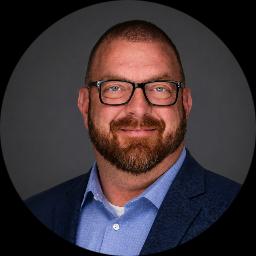
About Randall
Randall Carmack is an Ohio Licensed Independent Social Worker (LISW) with 13 years of clinical experience. He works with adults facing addiction, trauma, anger, bipolar disorder, and major life transitions. His practice also addresses guilt and shame, interpersonal problems, and struggles with mood and purpose.
Randall often helps people who feel isolated or stuck. He talks through problems like social anxiety, communication breakdowns, control issues, and struggles with body image or eating. He also supports men and veterans processing their experiences and roles, including fatherhood challenges.
In sessions he uses practical, evidence-based techniques to identify patterns that keep problems active. He helps people develop clearer coping strategies and break cycles related to substance use or anger. Conversations focus on concrete steps rather than abstract theory.
When guilt or shame is present Randall helps clients name those feelings and look at their origins. He encourages straightforward reflection on past actions and current values. The work aims to reduce the hold those feelings have on daily life and choices.
He explains options and collaborates on goals so people can try methods that fit their everyday routines. Randall also addresses relationship and communication skills that affect work, family life, and social connections. His practice favors measurable progress and practical skill building.
Evidence-based approaches for online work
Randall draws from evidence-based therapeutic techniques to guide sessions. One common focus is skills-based work that breaks unhelpful patterns, such as strategies for managing cravings, anger, and mood swings. These methods teach practical steps to change day-to-day behavior and responses.Another frequent approach is processing trauma-linked reactions by pacing exposure to difficult memories while building coping skills. This helps when past events continue to affect current relationships, self-image, or emotional regulation.
Choosing the right approach is part of the work together. The therapist reviews a client’s concerns, goals, and preferences and recommends techniques to try. Clients and the therapist check in and adjust methods based on what helps most in real life.
If you plan to work online confirm the session formats before booking since formats are not specified in the biography. Online sessions can make it easier to fit therapy into a busy week, allow shorter check-ins when time is limited, and reduce travel time. They can also let someone use a phone call instead of video when bandwidth is an issue or choose a format that suits their routine.
Areas of expertise
Primary focus
Additional focus areas
Experience
13+ years
Listed in
Ohio
Languages
English
Frequently asked questions
What kinds of issues does he help with?
He works with addiction, trauma and abuse, anger, bipolar disorder, and coping with life changes. Additional focus areas include guilt and shame, body image, and social anxiety.
How would he approach feelings of guilt or shame?
He helps clients identify where guilt or shame comes from and examines how those feelings affect behavior. The work emphasizes naming patterns and practicing concrete coping steps.
What experience does he bring to therapy?
He has 13 years of clinical experience working with adults on substance use, mood disorders, and trauma-related concerns. That experience informs practical, skills-based work.
What credential and location does he hold?
He is an Ohio LISW, which stands for Licensed Independent Social Worker in Ohio. His practice is based in Ohio.
Can sessions be held in languages other than English?
Sessions are offered in English.
Does he see clients outside the United States?
He does not accept international clients.
How are fees handled?
Cost varies with location and sessions use a subscription that can be canceled at any time.
What is the first step to start working together?
Use the See online therapy options button, complete a short matching questionnaire, and schedule a first session.
Online talk therapy is not emergency care. If you are in danger or thinking about harming yourself, use the crisis numbers.