- Guilt and shame
- Addictions support
- Grief and loss
About Roxanne
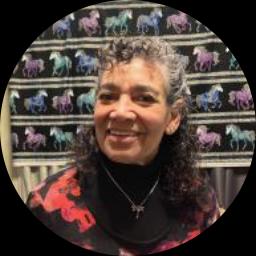
Roxanne Montano-Levizon is a Washington-licensed mental health counselor (LMHC) with 28 years of professional experience. She works with adults who are coping with stress, anxiety, addictions, grief, low self-esteem, and depression. Roxanne also addresses concerns like body image, communication problems, control issues, divorce and separation, forgiveness, guilt and shame, isolation, life purpose, panic, PTSD, self-love, and social anxiety.
Roxanne frames the client as the expert on their own story and highlights existing strengths. She invites people to talk through what feels stuck and to notice which personal resources already help. Sessions are straightforward and focused on practical ways to manage symptoms and build momentum.
Her approach aims to help people regain clearer thinking and better daily routines. That can mean working on coping skills for panic or anxiety, conversations about grief and loss, or steps to change addictive patterns. She talks through small, concrete actions and decisions rather than abstract concepts.
Roxanne emphasizes the courage it takes to start therapy and acknowledges that taking a first step matters. She supports people who want to make changes at their own pace. Her work is aimed at adults who want predictable, experience-based guidance along with respect for their own knowledge of their life.
To begin, she asks prospective clients to complete a short matching questionnaire and schedule a first session. Sessions use a subscription model that can be canceled at any time and costs vary with location.
How evidence-based techniques are used in online sessions
Roxanne uses evidence-based therapeutic techniques to address clear problems. For example, approaches that teach coping skills help people manage panic attacks, anxiety, and intense stress by practicing breathing, grounding, and short behavioral steps. Another common technique focuses on grief and loss by guiding conversations about what was lost and what small actions help with daily routines and meaning.Choosing the right method is part of the work together. She will help identify which techniques fit a person’s needs, goals, and preferences, and then try those approaches collaboratively. That means checking in and adjusting methods if something isn't helping.
Session formats were not specified in the biography, so confirm current options before booking. Online work can make it easier to fit appointments into a weekday break, reduce travel time, or allow a shorter check-in when time is limited. It can also let people use phone or video choices when they prefer less screen time or need a quieter setting for a brief session.
Areas of expertise
Primary focus
Additional focus areas
Experience
28+ years
Listed in
Washington
Languages
English
Frequently asked questions
What kinds of problems does she help with?
She works with stress, anxiety, addictions, grief, low self-esteem, and depression, plus related concerns like body image, guilt and shame, and panic.
How would she approach feelings of guilt or shame?
She treats these feelings as topics to talk through, identifying what keeps them active and using practical steps to reduce their daily impact.
What is her professional background?
She has 28 years of professional work experience supporting people with a range of emotional and behavioral concerns.
What credential and location does she hold?
She is a Washington LMHC and practices from Washington state.
Can I work with her if I live outside the United States?
International clients are accepted and sessions are offered in English.
What session formats are available?
The original biography did not list session formats; confirm current session options before booking.
How much do sessions cost?
Cost varies with location and sessions use a subscription that can be canceled at any time.
How do I start working with her?
Select the See online therapy options button, complete a short matching questionnaire, and schedule a first session.
Online talk therapy is not emergency care. If you are in danger or thinking about harming yourself, use the crisis numbers.