- Stress and anxiety
- Trauma and PTSD
- Guilt and shame
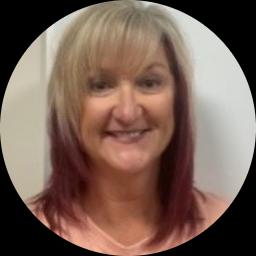
About Sandra
Sandra Call is a Licensed Clinical Social Worker (LCSW) licensed in Tennessee with 10 years of professional experience. She draws on her background as an Army combat veteran while helping people who struggle with stress, anxiety, trauma and abuse, grief, bipolar disorder, and depression.
Sandra frames sessions around clear, direct conversation. She listens for what feels most urgent and then works with the person to set practical goals. She helps clients name and track symptoms, practice coping steps, and make gradual changes that fit daily life.
Her veteran experience informs work with military-related concerns and with people who value straightforward, experience-based understanding. She also addresses issues connected to relationships and identity, including abandonment, communication problems, control issues, and isolation or loneliness.
Sandra regularly supports people dealing with overwhelming guilt and shame, and she helps them examine how those feelings affect behavior and decisions. She also works with mood-related problems such as panic attacks, bipolar mood shifts, and broader mood disorders.
Sessions include discussing forgiveness, impulsivity, and life purpose when those topics are relevant. To begin she asks about the specific problem, any past supports tried, and what the person hopes to change. From there she and the client map realistic steps for progress and check in on how those steps are working.
Using evidence-based techniques in online sessions
Many therapists who describe their work as using evidence-based therapeutic techniques rely on approaches that focus on present symptoms and workable skills. One common method teaches people how thoughts and behaviors interact so they can reduce panic, anxiety, and low mood by changing unhelpful patterns in daily life. Another helpful technique involves processing traumatic memories in paced steps so memories feel less disruptive and reactions become easier to manage.Choosing the right approach is part of the work. The therapist will talk with the client about goals, symptoms, and preferences, then decide together which techniques to try first. That collaborative process lets the therapist adjust methods based on what is actually helpful.
The practical value of online sessions is that they can fit into a regular week more easily. Confirm the therapist's supported session formats before booking, since the biography does not list them. Online work can make shorter check-ins possible, remove commute time, and let people join from quieter surroundings or during a break at work. These practical benefits can make it easier to keep therapy consistent while juggling daily life.
Areas of expertise
Primary focus
Additional focus areas
Experience
10+ years
Listed in
Tennessee
Languages
English
Frequently asked questions
What concerns does she help with related to guilt or shame?
She works with people experiencing guilt and shame connected to relationships, past actions, family, faith, or military service.
How does she approach guilt and shame in sessions?
She uses clear, direct conversation to name the feeling, trace how it shows up, and identify small steps to reduce its day-to-day impact.
What experience does she bring to this work?
She has 10 years of professional experience and draws on her background as an Army combat veteran when relevant to a client’s concerns.
What are her credentials and where is she based?
She is a Tennessee Licensed Clinical Social Worker (LCSW) and provides services from Tennessee.
Which languages are supported for sessions?
Sessions are offered in English.
Can international clients book with her?
International clients are not currently accepted.
How are sessions arranged and what formats are used?
The original biography does not specify session formats; please confirm current session options before booking.
How much do sessions cost and how do payments work?
Cost varies with location; sessions use a subscription that can be canceled at any time.
Online talk therapy is not emergency care. If you are in danger or thinking about harming yourself, use the crisis numbers.