- CBT methods
- Guilt and shame
- Self-esteem focus
About Sheryl
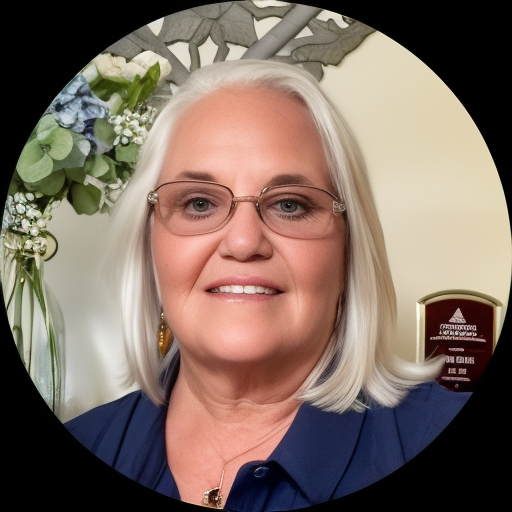
Sheryl McAlhaney is a Licensed Professional Counselor (LPC) in South Carolina with 15 years of experience. She works with adults dealing with stress, anxiety, depression, grief, anger, and struggles around self-esteem and career concerns. She also gives attention to compassion fatigue, communication problems, forgiveness, and feelings of guilt and shame.
Sheryl uses straightforward conversation to help people name what feels heavy. She listens for patterns of overthinking, self-criticism, and isolation, and she helps people notice small, practical changes they can try between sessions. Sessions focus on clear steps and skills that can reduce daily overwhelm and improve problem solving.
Her approach draws on Cognitive Behavioral Therapy, which looks at how thoughts, feelings, and actions connect. She works with clients to test unhelpful beliefs and build different habits of thinking and behaving. This approach is used with issues like social anxiety, persistent guilt, and low self-esteem.
Sheryl frames progress as gradual and specific rather than sudden. She encourages straightforward goal setting and routine changes that fit into everyday life. Conversations include skill practice, gentle challenge of harsh self-talk, and planning for easier ways to respond when worry or shame shows up.
People interested in starting are asked to use the site matching process to schedule an initial session. Sessions are conducted in English and follow professional practice in South Carolina.
How CBT is used in online sessions and what to expect
She uses Cognitive Behavioral Therapy (CBT) as a practical way to identify the thoughts that fuel worry, shame, or self-criticism and to try different responses. CBT sessions often involve naming unhelpful thinking patterns, testing them with small experiments, and practicing new skills during the week to change behavior and mood.Finding the best therapeutic approach is treated as a collaborative process. The therapist will work with the client to decide whether CBT techniques fit current needs and goals, and may adjust the pace and focus based on what helps most. Decisions about methods are made together rather than assumed up front.
Session formats are not specified in the biography, so confirm current options before booking. Online work can make it easier to fit sessions into busy lives by removing travel time and allowing appointments during breaks or at different locations. It also supports shorter check-ins when needed, and can reduce the time commitment around attending sessions, while keeping the same focus on skill practice and goal setting used in face-to-face care.
Areas of expertise
Primary focus
Also works with
Additional focus areas
Therapeutic approaches
Experience
15+ years
Listed in
South Carolina
Languages
English
Frequently asked questions
What concerns does she address?
She works with stress, anxiety, depression, grief, anger, career issues, self-esteem difficulties, and compassion fatigue. Additional focuses include communication problems, forgiveness, guilt and shame, isolation, life purpose, self-love, and social anxiety.
How does she approach guilt and shame in sessions?
She uses clear conversation and practical steps to examine unhelpful thoughts and self-critical patterns. The work often includes testing beliefs and practicing alternative responses between sessions.
What is her professional background and experience?
She is a Licensed Professional Counselor with 15 years of clinical experience. Her practice focuses on common life stressors and mood concerns.
Where is she licensed and based?
She holds an LPC credential in South Carolina and practices there.
Which languages are supported in sessions?
Sessions are offered in English.
Can international clients work with her?
International clients are not currently accepted.
How are session costs structured?
Cost varies with location and sessions use a subscription model that can be canceled at any time.
What is the first step to begin working together?
Select the See online therapy options button, complete the short matching questionnaire, and schedule a first session.
Online talk therapy is not emergency care. If you are in danger or thinking about harming yourself, use the crisis numbers.