
Sara Kaczmarek
LMFTMinnesota · 14 yrs exp
LMFT - Relationships and trauma related concerns
Stress, Anxiety · Relationship · Family · Trauma and abuse · +8 more
Read profileTherapist listings are provided by BetterHelp. We will earn a commission at no additional cost to you if you use our links to purchase.
Browse profiles of professionals listed under the Minnesota location to compare focus areas, therapeutic approaches, languages and credentials. Check each individual profile and confirm that the practitioner has current permission to work with you where you live before reaching out.
Minnesota · 14 yrs exp
LMFT - Relationships and trauma related concerns
Stress, Anxiety · Relationship · Family · Trauma and abuse · +8 more
Read profile
Minnesota · 14 yrs exp
LMFT - Relationships and Anxiety
Stress, Anxiety · Relationship · Grief · Parenting · +11 more
Read profile
Minnesota · 3 yrs exp
LICSW LCSW - Stress and addiction work
Stress, Anxiety · Addictions · Trauma and abuse · Bipolar · +5 more
Read profile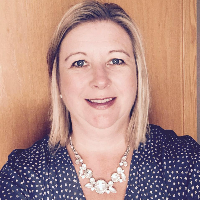
Minnesota · 3 yrs exp
Minnesota psychologist - Guilt and shame, anxiety
Stress, Anxiety · Addictions · Relationship · Trauma and abuse · +8 more
Read profile
Minnesota · 21 yrs exp
LPCC in Minnesota - Addictions and Trauma
Stress, Anxiety · Addictions · LGBT · Trauma and abuse · +1 more
Read profile
Minnesota · 5 yrs exp
LICSW - Anxiety and Guilt-focused
Stress, Anxiety · LGBT · Trauma and abuse · Eating · +1 more
Read profile
Minnesota · 15 yrs exp
Licensed Professional Clinical Counselor - Anxiety and Relationships
Stress, Anxiety · Relationship · Grief · Eating · +1 more
Read profile
Minnesota · 4 yrs exp
LMFT in Minnesota - stress and relationship work
Stress, Anxiety · LGBT · Relationship · Family · +1 more
Read profile
Minnesota · 10 yrs exp
LICSW - Bipolar and ADHD support
Bipolar · ADHD
Read profile
Minnesota · 6 yrs exp
LICSW - Relationships and Guilt work
Stress, Anxiety · Relationship · Family · Depression · +1 more
Read profile
Minnesota · 20 yrs exp
LICSW - Anxiety and women's issues
Stress, Anxiety · Grief · Self esteem · Depression · +8 more
Read profile
Minnesota · 29 yrs exp
MN Psychologist - Guilt and shame, stress
Stress, Anxiety · Grief · Self esteem · Depression · +12 more
Read profile
Minnesota · 9 yrs exp
Licensed clinician - Guilt and shame, trauma
Stress, Anxiety · Family · Trauma and abuse · Grief · +11 more
Read profile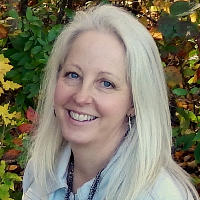
Minnesota · 25 yrs exp
LPCC in Minnesota - Relationships and Guilt
Stress, Anxiety · Relationship · Self esteem · Depression · +9 more
Read profile
Minnesota · 8 yrs exp
LICSW - Relationships and Guilt/Shame Concerns
Stress, Anxiety · Family · Trauma and abuse · Grief · +8 more
Read profile
Minnesota · 21 yrs exp
LICSW - Stress and trauma focused
Stress, Anxiety · Trauma and abuse · Grief · Depression · +12 more
Read profile
Minnesota · 10 yrs exp
LPCC in Minnesota - Stress and Addictions
Stress, Anxiety · Addictions · Grief · Coping with life changes · +1 more
Read profile
Minnesota · 30 yrs exp
Licensed Professional Counselor - Stress and Relationships
Stress, Anxiety · Relationship · Family · Depression · +13 more
Read profile
Minnesota · 6 yrs exp
LMFT in Minnesota - Guilt and relationship concerns
Stress, Anxiety · Addictions · Relationship · Self esteem · +9 more
Read profile
Minnesota · 21 yrs exp
LMFT - Relationships and Guilt work
Stress, Anxiety · Relationship · Grief · Self esteem · +9 more
Read profile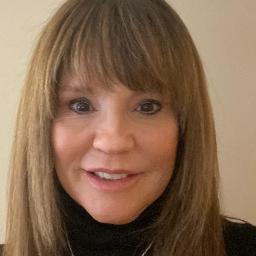
Minnesota · 6 yrs exp
LPCC in Minnesota - Guilt and shame, trauma
Stress, Anxiety · Addictions · LGBT · Trauma and abuse · +1 more
Read profile
Minnesota · 11 yrs exp
LPCC in Minnesota - Anxiety and Guilt concerns
Stress, Anxiety · Addictions · Trauma and abuse · Grief · +1 more
Read profile
Minnesota · 13 yrs exp
LMFT and LICSW - Relationships and Recovery
Stress, Anxiety · LGBT · Relationship · Family · +12 more
Read profile
Minnesota · 19 yrs exp
Dr. Jennifer Gildner - Psychologist focused on guilt and shame
Stress, Anxiety · LGBT · Grief · Self esteem · +11 more
Read profile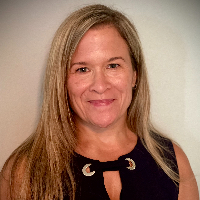
Minnesota · 15 yrs exp
Licensed MFT - Stress and grief
Stress, Anxiety · Grief · Self esteem · Depression · +1 more
Read profile
Minnesota · 17 yrs exp
LMFT - Intimacy and life transitions
Intimacy-related issues · Parenting · Career · Coping with life changes · +1 more
Read profile
Minnesota · 15 yrs exp
LPCC - Anxiety and Guilt-focused care
Stress, Anxiety · Coping with life changes · Compassion fatigue · Relationship · +9 more
Read profile
Minnesota · 24 yrs exp
Minnesota Psychologist-Master - Guilt and shame, Anxiety
Stress, Anxiety · Relationship · Trauma and abuse · Parenting · +16 more
Read profile
Minnesota · 17 yrs exp
LPCC counselor - Guilt and shame, relationships
Stress, Anxiety · Addictions · Relationship · Trauma and abuse · +11 more
Read profile
Minnesota · 6 yrs exp
LICSW - Anxiety and Trauma
Stress, Anxiety · Coaching · ADHD · Trauma and abuse · +2 more
Read profileGuilt and shame are related but different experiences, and understanding that difference can help you find the kind of conversation you need. Guilt typically arises when you feel you did something wrong or failed to meet a personal standard; it often focuses on a specific action. Shame tends to involve a more global sense that something is wrong with you as a person, making you feel small, exposed or unworthy. You may carry painful feelings from family dynamics, faith traditions, relationships, or past traumatic events. Naming whether you feel guilt, shame, or a mix of both can help shape the questions you ask a professional.
Talking these feelings through with a therapist can help you see patterns in how you interpret events and how those interpretations affect your behavior and relationships. A conversation can create space to examine self-critical thoughts, to test alternative explanations, and to practice kinder self-talk. It can also help you identify practical steps to change patterns that keep guilt or shame active in daily life. These conversations do not guarantee forgiveness, closure or immediate relief, but they often make what you are feeling clearer and more navigable.
If shame comes with thoughts of harming yourself, call local emergency services or a crisis hotline immediately. If you are in immediate danger, contact emergency services in your area without delay.
Profiles on this site are grouped by the listed location Minnesota to help you find professionals who indicate a connection to that place. That grouping does not prove an office address, licensure status in Minnesota, or that a practitioner can legally work with you where you live. You should look at each profile closely and confirm that the person has current permission to work with clients in your jurisdiction before initiating care.
Degrees, titles and membership listings provide different kinds of information. Academic degrees such as PhD, PsyD, MD, MA and MSW show educational background. Those credentials are distinct from professional permission to practice. In the United States you will often see references to state licensing categories - for example social work, counseling, marriage and family therapy, or psychology licenses. In the United Kingdom and Australia you may see registration with a professional body or membership of an association. A degree or membership alone does not confirm that someone currently has legal permission to practice where you are; those are separate verifications you should request or confirm on the profile.
When you read a profile, take note of both the credentials and any explicit statements about where the professional is authorized to work. If a profile is unclear, contact the professional and ask directly whether they are permitted to work with people living in Minnesota or in your specific area.
Before you connect with someone, prepare a set of concrete questions that match your needs. Ask how the practitioner describes their approach to guilt and shame - for example, whether they tend to explore thoughts and beliefs about a past event, focus on rebuilding relationships, or work on self-compassion and present-moment coping. If a profile mentions particular approaches, you can say something like "I saw you list EMDR among your approaches - can you explain how you use that approach when someone brings issues of shame?" This phrasing recognizes the profile language without assuming training or certification.
Ask about experience relevant to your situation. You might inquire whether they have worked with people with faith-related shame, family estrangement, or consequences of past mistakes, and what kinds of conversations they find helpful. Ask how they describe progress with similar concerns and what a typical early session might explore. Be explicit about any boundaries you need - for instance, if you prefer a strengths-based conversational style, narrative exploration, or a focus on present coping strategies - and ask how the therapist would respond to those preferences.
It can also be useful to discuss practical matters on first contact. Ask what languages they use in sessions, whether they have experience with cultural issues that matter to you, and how they approach information-sharing boundaries in practice. Remember that profiles may list languages and areas of focus, but you should confirm details directly with the practitioner.
If you are considering online or remote conversations, discuss logistical and legal questions up front. Ask whether the person is authorized to work with residents of Minnesota if you are located there, because permission to provide remote services often depends on regional regulations. Clarify the technology they use for sessions and how they handle documentation and record-keeping. Ask how they would manage an urgent situation if you were in distress during or between sessions, and whether they can provide local crisis referrals if needed.
Be clear about the difference between a degree and active permission to practice when discussing telehealth. A practitioner may have an academic credential and list certain therapeutic approaches, but you should confirm that those qualifications are recognized for remote work in your area. You may also want to ask about accessibility issues, such as whether they can accommodate hearing differences, language needs, or mobility concerns, and how they adapt their style to meet varied communication preferences.
Finally, set expectations about communication outside sessions. Ask whether the practitioner responds to messages between meetings, and if so, how and when. Discuss how they handle cancellations, notifications and any other administrative details that affect your ability to engage consistently. These conversations help you decide whether the style and practical setup are a good fit for the kind of exploration you want.
When you compare profiles, look at several elements together rather than relying on a single label. Focus areas list the topics the practitioner notes, such as guilt, shame, trauma-related issues, grief, or family conflict. If guilt or shame is central to what you want to address, prioritize profiles that explicitly mention those topics and then read their descriptions to see how they frame them. Notice whether they describe working with consequences of actions, identity-based shame, or faith-related concerns, since those emphases suggest different conversation paths.
Language access matters. If you prefer to speak in a language other than English, seek profiles that list that language and ask about the practitioner's fluency and experience conducting complex emotional work in that language. Compare credentials with an eye toward both degree and permission to practice. A PhD, PsyD or MD indicates a particular academic route, while professional categories or registrations indicate the legal framework under which someone practices. For UK and Australian practitioners you may see registration or membership rather than the same licensing terminology used in the United States; treat those as signals to follow up on rather than definitive proof of scope.
Style is often described in a few sentences on a profile. Some professionals write in a reflective, exploratory voice; others emphasize practical coping skills or relational work. Consider whether you prefer a conversational tone that names and examines feelings, a directive style that focuses on skill-building, or a blend. Reach out with a short message that includes your primary concerns and one or two questions about approach so you can get a sense of tone before committing to discussions in depth. Comparing profiles in this way helps you narrow choices to practitioners whose descriptions and stated emphases match what you hope to work on.
As you browse Minnesota profiles on this site, take your time to read descriptions, ask direct questions about permission to practice where you live, and choose a person whose approach and communication style resonate with you. That initial fit matters when you are addressing complex feelings like guilt and shame, and taking these steps will help you make an informed decision about who to speak with next.
Addictions
2501 therapists
ADHD
1781 therapists
Anger
1629 therapists
Autism
1155 therapists
Chronic Illness
2025 therapists
Control Issues
4089 therapists
Depression
6689 therapists
Grief
4165 therapists
Intimacy Issues
1910 therapists
Isolation / Loneliness
6411 therapists
Midlife Crisis
3370 therapists
Mood Disorders
4198 therapists
Panic Disorder and Panic Attacks
4014 therapists
Post-Traumatic Stress
5114 therapists
Self Esteem
6281 therapists
Sleeping Disorders
878 therapists
Social Anxiety and Phobia
5556 therapists
Stress & Anxiety
7904 therapists
Trauma and Abuse
5374 therapists
Abandonment
4095 therapists
Aging and Geriatric Issues
1885 therapists
Attachment Issues
4633 therapists
Blended Family Issues
2354 therapists
Body Image
3026 therapists
Career
2289 therapists
Caregiver Issues and Stress
4133 therapists
Codependency
3036 therapists
Commitment Issues
2455 therapists
Compassion Fatigue
2086 therapists
Coping with Life Changes
5333 therapists
Divorce
4412 therapists
Family
3632 therapists
Family of Origin Issues
2492 therapists
Fatherhood Issues
1491 therapists
Forgiveness
6169 therapists
Infidelity
2286 therapists
Jealousy
2193 therapists
Life Purpose
6724 therapists
Money and Financial Issues
2139 therapists
Parenting
2553 therapists
Relationship
5481 therapists
Self-Love
6809 therapists
Workplace Issues
4382 therapists