- ACT and CBT approaches
- Mindfulness and somatic tools
- Focus on family issues
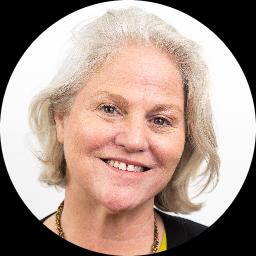
About Amy
Amy FitzGerald is a Licensed Clinical Social Worker (LCSW) practicing in North Carolina with 14 years of clinical experience. She works with people dealing with stress, anxiety, relationship struggles, parenting challenges, low self-esteem, depression, trauma and abuse, grief, ADHD, and issues related to family and identity. Amy also lists focuses such as abandonment, attachment and family of origin concerns, adoption and foster care matters, body image, and forgiveness.
Amy uses straightforward, goal-oriented sessions that include both talk and body-centered methods. She draws on Acceptance and Commitment Therapy (ACT), Cognitive Behavioral Therapy (CBT), mindfulness practices, Motivational Interviewing, and somatic techniques to help people notice patterns and try different ways of responding. Sessions emphasize small, practical steps and skills that can be tried between meetings.
She has background in yoga and meditation practices, including trauma-informed yoga, Mindfulness-Based Stress Reduction, and Integrative Restoration iRest. That experience informs her work with somatic approaches and mindfulness exercises in session. She aims to help people reconnect with body sensations and use breathing or gentle movement as anchors when emotions feel overwhelming.
Amy’s work has included adoptive and birth parents, adoptees, youth at risk, and students or adults facing academic and career pressures. She treats concerns related to gender and LGBT issues, including gender dysphoria and relevant identity questions. Her practice supports people navigating life changes like fertility struggles, caregiver stress, and grief.
Sessions are collaborative and focused on clients’ goals. She helps clients clarify what matters to them, set practical steps, and notice what changes. If you want to explore how guilt or shame shows up in your life, she can help you talk through those feelings and practice different ways of responding.
How Amy uses ACT, CBT and mindfulness online
Amy commonly integrates Acceptance and Commitment Therapy (ACT) and Cognitive Behavioral Therapy (CBT) into sessions. ACT focuses on clarifying what matters to you and taking committed steps toward those values even when difficult feelings are present. CBT looks at how thoughts, feelings, and behaviors interact and teaches practical skills to change unhelpful patterns.She also brings mindfulness practices into sessions to help people notice body sensations and moment-to-moment experience. Mindfulness can help with anxiety, grief, and recurring self-criticism by training attention and reducing reactivity. When helpful, she pairs these practices with somatic techniques to track how emotions show up in the body and to use breathing or gentle movement as a regulating tool.
Finding the right mix of approaches is part of the work. Amy will collaborate with each person to choose methods that match their goals, preferences, and life situation. She frames decisions as experiments you try together and adjusts course based on what feels useful.
Session formats are not listed in the biography, so confirm current options before booking. Many people appreciate online sessions because they can fit therapy into a workday, avoid travel time, or choose shorter check-ins when life is busy. Online work can also make it easier to bring mindfulness and somatic practices into the moments when they matter most.
Areas of expertise
Primary focus
Also works with
Additional focus areas
Therapeutic approaches
Experience
14+ years
Listed in
North Carolina
Languages
English
Frequently asked questions
What kinds of concerns does she help with?
Amy works with stress, anxiety, relationship and parenting challenges, low self-esteem, depression, trauma and abuse, grief, ADHD, and identity and family concerns including adoption and attachment issues.
How does she approach guilt and shame?
She uses a mix of talk work and somatic practices to notice how guilt or shame shows up in the body and behavior, then tries practical steps to shift those patterns.
What is her clinical background?
She has 14 years of clinical experience and a background in trauma-informed yoga, Mindfulness-Based Stress Reduction, and Integrative Restoration iRest alongside her social work practice.
What credential does she hold and where is she based?
She is a Licensed Clinical Social Worker (LCSW) licensed in North Carolina.
Can I work with her if I live outside the United States?
Sessions are offered to international clients as noted; confirm any regional considerations when you complete the matching questionnaire.
In what language are sessions offered?
Sessions are offered in English.
How are fees handled?
Cost varies with location and sessions use a subscription that can be canceled at any time.
How do I begin working with her?
Select the See online therapy options button, complete a short matching questionnaire, and schedule your first session.
Online talk therapy is not emergency care. If you are in danger or thinking about harming yourself, use the crisis numbers.