
Marsha Oxamendi
LCSWFlorida · 14 yrs exp
LCSW - Stress and relationship concerns
Stress, Anxiety · Grief · Anger · Self esteem · +12 more
Read profileTherapist listings are provided by BetterHelp. We will earn a commission at no additional cost to you if you use our links to purchase.
This page groups profiles of clinicians who list infidelity as a focus alongside guilt and shame. Visitors can compare listed location, therapeutic approaches, credentials, languages and focus areas to find profiles that match their needs. Browse profiles to learn how different professionals describe their approach and experience.
Florida · 14 yrs exp
LCSW - Stress and relationship concerns
Stress, Anxiety · Grief · Anger · Self esteem · +12 more
Read profile
Illinois · 19 yrs exp
Dr. Steven Hurley - Psychologist, Anxiety and Trauma
Stress, Anxiety · LGBT · Relationship · Trauma and abuse · +9 more
Read profile
Minnesota · 14 yrs exp
LMFT - Relationships and trauma related concerns
Stress, Anxiety · Relationship · Family · Trauma and abuse · +8 more
Read profile
Arizona · 6 yrs exp
Licensed counselor - anxiety and relationships
Stress, Anxiety · Relationship · Family · Self esteem · +11 more
Read profile
Florida · 12 yrs exp
LMHC - Guilt and shame, relationships
Stress, Anxiety · Relationship · Intimacy-related issues · Depression · +8 more
Read profile
Oklahoma · 30 yrs exp
Licensed Professional Counselor - Guilt and shame, Relationships
Stress, Anxiety · Grief · Intimacy-related issues · Depression · +8 more
Read profile
Michigan · 35 yrs exp
LMSW counselor - Stress and relationships
Stress, Anxiety · Addictions · Trauma and abuse · Self esteem · +3 more
Read profile
Kentucky · 11 yrs exp
LMFT in Kentucky - Relationships and Guilt and shame
Stress, Anxiety · Relationship · Family · Self esteem · +9 more
Read profile
Louisiana · 14 yrs exp
LCSW working with stress and trauma
Stress, Anxiety · Anger · Self esteem · Depression · +9 more
Read profile
Florida · 20 yrs exp
Florida LMHC - Relationships and Anxiety
Stress, Anxiety · Relationship · Family · Self esteem · +9 more
Read profile
Tennessee · 35 yrs exp
Licensed Clinical Social Worker - Guilt and shame
Stress, Anxiety · Grief · Self esteem · Depression · +8 more
Read profile
Alabama · 20 yrs exp
Licensed Professional Counselor - Anxiety and Grief
Stress, Anxiety · Relationship · Grief · Depression · +9 more
Read profile
South Carolina · 20 yrs exp
Licensed social worker - Stress and eating issues
Stress, Anxiety · Relationship · Eating · Self esteem · +10 more
Read profile
Oregon · 17 yrs exp
LMFT - Stress and trauma focused
Stress, Anxiety · Trauma and abuse · Grief · Intimacy-related issues · +1 more
Read profile
North Carolina · 30 yrs exp
LCMHC - Stress and Trauma
Stress, Anxiety · Addictions · LGBT · Trauma and abuse · +1 more
Read profile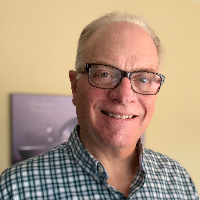
New Jersey · 10 yrs exp
Licensed counselor - Guilt and relationships
Stress, Anxiety · Relationship · Family · Parenting · +4 more
Read profile
Texas · 26 yrs exp
Licensed counselor - Guilt and shame, relationships
Stress, Anxiety · Relationship · Trauma and abuse · Grief · +11 more
Read profile
Colorado · 13 yrs exp
Licensed Marriage and Family Therapist - Relationships and Trauma
Stress, Anxiety · LGBT · Relationship · Trauma and abuse · +10 more
Read profile
Florida · 20 yrs exp
Florida LMHC - Anxiety and Grief
Stress, Anxiety · Relationship · Grief · Self esteem · +1 more
Read profile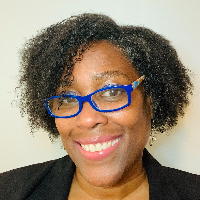
Georgia · 3 yrs exp
Licensed Professional Counselor - Stress and Anxiety
Stress, Anxiety · Self esteem · Career · Depression · +1 more
Read profile
Texas · 11 yrs exp
LCSW - Relationships and Guilt
Stress, Anxiety · Relationship · Trauma and abuse · Self esteem · +5 more
Read profile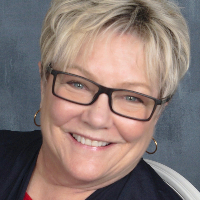
Florida · 40 yrs exp
Florida LCSW - Addictions and Relationships
Addictions · Relationship · Grief · Depression · +13 more
Read profile
Nevada · 25 yrs exp
LMFT - Relationships and Guilt issues
Stress, Anxiety · Relationship · Family · Trauma and abuse · +1 more
Read profile
Texas · 19 yrs exp
Licensed Professional Counselor - Stress and Relationships
Stress, Anxiety · Relationship · Family · Trauma and abuse · +12 more
Read profile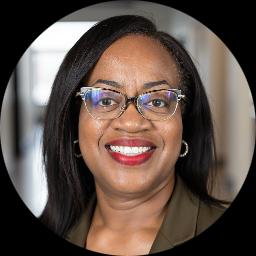
Michigan · 26 yrs exp
LMSW in Michigan - Guilt and relationship concerns
Stress, Anxiety · Addictions · Relationship · Grief · +14 more
Read profile
Ohio · 18 yrs exp
Ohio LISW - Guilt and shame, relationships
Stress, Anxiety · Relationship · Grief · Self esteem · +10 more
Read profile
Virginia · 20 yrs exp
VA Psychologist - Guilt and trauma focus
Read profile
New Jersey · 25 yrs exp
Licensed Professional Counselor - Stress and Trauma
Stress, Anxiety · Trauma and abuse · Grief · Career · +9 more
Read profile
Pennsylvania · 28 yrs exp
Licensed counselor - Stress and grief
Stress, Anxiety · Addictions · Grief · Self esteem · +1 more
Read profile
North Carolina · 15 yrs exp
LCSW - Guilt and shame, trauma-informed
LGBT · Relationship · Family · Parenting · +7 more
Read profileIf you are carrying feelings related to infidelity, it is common to experience both guilt and shame, and those terms describe different inward experiences. Guilt typically relates to actions - something you did or did not do - and it often centers on regret about specific choices. Shame is more likely to feel like a judgment about who you are as a person, a sense that you are fundamentally flawed or unworthy. The distinction matters because it shapes what you might want to talk about and how you might work through those feelings with a professional.
When you talk with a therapist about infidelity, you may explore practical questions about repairing relationships, setting boundaries, or making different choices. You may also explore deeper narratives that fuel shame - such as messages from family, faith or culture that made certain actions feel uniquely damning. Conversations can make those narratives more visible, which can help you consider alternatives to harsh self-judgment without moralizing or invoking religious framings. If shame is accompanied by thoughts of harming yourself, contact local emergency services or a crisis line right away for immediate help.
Infidelity often brings up layered emotions for everyone involved. Feelings of guilt may stem from choices that hurt another person, while shame may link those choices to longstanding beliefs about worth. These experiences can be influenced by relationship patterns, past trauma, cultural expectations and the ways you learned to cope. It is important to recognize that the presence of guilt or shame does not prove a particular cause. Many therapists in this directory list both infidelity and guilt or shame among their focus areas, but that listing is not an endorsement or certification; it simply indicates an area they describe in their profiles.
When you read profiles, consider how clinicians describe the relationship between those topics and whether they explicitly note work with cultural, religious, or identity-related contexts that matter to you. Some profiles will mention approaches or modalities by name. In those cases, remember that a profile listing an approach is not evidence of training or certification in that method. You can use profiles to find clinicians who write about experience with similar concerns and then follow up to ask specific questions about how they would approach your situation.
Before you contact someone, preparing clear questions can help you compare profiles and identify clinicians you want to learn more about. Ask how the therapist describes their work with issues like betrayal, rebuilding trust or addressing recurring shame. You might want to know whether they typically work with individuals, couples or families; a listed focus does not automatically mean a therapist treats couples or children, so ask directly if your needs fall into those categories.
Ask how a clinician adapts their approach to cultural, spiritual or sexual identity concerns that matter in your life. If religious or faith traditions are important to you, ask how they integrate or respect those values without imposing a moral view. If trauma is part of your history, ask whether they have experience addressing trauma symptoms and how they sequence safety and processing. If a profile mentions specific approaches, you can say, for example, "I see you list EMDR among your approaches - how do you use that with clients who are processing betrayal?" That phrasing keeps the conversation descriptive rather than assuming a particular credential or training level.
If you plan to connect remotely, there are practical topics to cover so you know what to expect. Discuss where the clinician is located and whether they work with clients in your jurisdiction, since regulations differ between the United States, the United Kingdom and Australia. In the United States, clinicians are generally regulated by state licensing boards; in the United Kingdom and Australia, professionals may hold registration or membership with national or regional bodies. A listed academic degree such as PhD, PsyD, MD, MA or MSW indicates educational background but does not by itself establish permission to practice. Ask about the clinician's combination of degree and current professional authorization to work with clients in your area.
Also discuss technology preferences and what platform will be used, how session notes and records are handled, and what to do if a crisis arises during an online session. Ask whether the clinician has a plan for emergencies that includes local emergency contacts, since a clinician located in a different country cannot call local emergency services for you. Clarifying these practical matters helps you decide whether a clinician's described approach and professional arrangements align with your needs.
Comparing profiles effectively means looking beyond a single phrase and reading how a clinician presents their work. Focus areas tell you what themes a clinician lists, but profiles vary in the level of detail about actual experience, client populations and typical session topics. Notice whether a profile explains what the clinician means by a focus like infidelity - do they mention working with trust repairs, affairs that occurred within long-term relationships, or secrets tied to identity? That extra detail helps you match a profile to your situation.
Language offerings are important if you prefer or need a therapist who speaks a particular language. Profiles that list multiple languages can reduce friction in communication, but you should still ask whether the clinician conducts therapy in those languages consistently. When you review credentials, separate academic degrees from professional registrations or licenses. A degree such as PhD, PsyD, MD, MA or MSW reflects education. Licenses in the United States, registration or membership in the United Kingdom and Australia reflect different systems of oversight and should be discussed with the clinician if that matters to you.
Therapeutic style is often described in the tone of a profile. Some clinicians emphasize empathic listening and exploration of meaning, while others describe a more structured, skills-based approach. Profiles may list approaches by name; if a profile mentions an approach you are interested in, ask the clinician to describe how they use it with people dealing with infidelity-related guilt or shame. Finally, remember that a profile listing a topic does not guarantee a therapist works with every population or presents every approach in the same way. If you need therapy for a couple, for adolescents, or for concerns that intersect with legal or medical issues, bring those specifics up early so you and the clinician can determine scope and fit before committing to further steps.
Alabama
97 therapists
Alaska
19 therapists
Arizona
91 therapists
Arkansas
63 therapists
Australia
307 therapists
California
802 therapists
Colorado
180 therapists
Connecticut
69 therapists
Delaware
13 therapists
District of Columbia
20 therapists
Florida
661 therapists
Georgia
165 therapists
Hawaii
28 therapists
Idaho
48 therapists
Illinois
246 therapists
Indiana
118 therapists
Iowa
31 therapists
Kansas
50 therapists
Kentucky
126 therapists
Louisiana
124 therapists
Maine
19 therapists
Maryland
141 therapists
Massachusetts
81 therapists
Michigan
249 therapists
Minnesota
95 therapists
Mississippi
74 therapists
Missouri
149 therapists
Montana
45 therapists
Nebraska
41 therapists
Nevada
50 therapists
New Hampshire
12 therapists
New Jersey
158 therapists
New Mexico
34 therapists
New York
399 therapists
North Carolina
262 therapists
North Dakota
10 therapists
Ohio
168 therapists
Oklahoma
135 therapists
Oregon
56 therapists
Pennsylvania
251 therapists
Rhode Island
11 therapists
South Carolina
119 therapists
South Dakota
16 therapists
Tennessee
125 therapists
Texas
847 therapists
United Kingdom
1362 therapists
Utah
75 therapists
Vermont
19 therapists
Virginia
132 therapists
Washington
108 therapists
West Virginia
23 therapists
Wisconsin
109 therapists
Wyoming
20 therapists