- CBT methods
- Mindfulness skills
- Somatic work
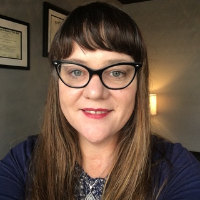
About Bethany
Bethany Kulp is a Licensed Clinical Social Worker (LCSW) in Texas with 20 years of experience. She works with people dealing with stress, anxiety, trauma and abuse, depression, grief, addictions, and specifically with guilt and shame. She also supports issues like sleep problems, self-esteem, caregiver stress, and concerns related to identity and life changes.
Bethany takes a practical, collaborative approach in sessions. She teaches coping skills, uses mindfulness and cognitive methods to notice and shift thoughts, and includes somatic practices that focus on bodily experiences. Her sessions blend skill-building with conversational reflection so clients can test new ways of responding to old patterns.
Sessions emphasize small, concrete steps. Bethany uses elements of Cognitive Behavioral Therapy to identify unhelpful thoughts. She draws on Dialectical Behavior Therapy skills for emotion regulation and Mindfulness Therapy to increase present-moment awareness. Motivational Interviewing and Solution-Focused work appear when clients want direction for short-term goals.
She describes the work as both supportive and active - listening closely, offering gentle challenge, and teaching tools to practice between sessions. Clients who carry guilt or shame often focus on changing self-critical thinking and reconnecting with bodily signals that inform feelings and reactions.
Her somatic methods include Somatic Experiencing and Integral Somatic Psychology techniques adapted into talk and body-focused exercises. Bethany aims to help people build practical routines and skills they can use in daily life to respond differently to stress and painful memories.
How therapeutic approaches shape online sessions
Bethany draws on Cognitive Behavioral Therapy and Mindfulness Therapy as core parts of her work. CBT focuses on identifying and testing unhelpful thoughts and trying small behavior changes to see what helps. Mindfulness Therapy teaches simple attention practices to notice thoughts, emotions, and body sensations without getting swept away by them.She also uses elements of Dialectical Behavior Therapy when emotion regulation and distress tolerance are needed. DBT skills are practical tools for managing intense feelings and improving interpersonal effectiveness. Together these approaches offer both moment-to-moment awareness and concrete skills to change patterns that sustain guilt or shame.
Finding the right approach is part of the early work. She will collaborate with each person to decide which methods to emphasize based on goals, preferences, and what shows up in sessions. That means pacing the work, trying skills, and adjusting the plan as progress and difficulties emerge.
Session formats are not specified in the biography, so confirm current options before booking. Online sessions can make it easier to fit therapy into a busy week, allow shorter check-ins, and reduce travel time. Many people find remote sessions help maintain continuity when life is hectic, while still allowing focused practice of CBT, mindfulness, and DBT skills.
Areas of expertise
Also works with
Additional focus areas
Therapeutic approaches
Experience
20+ years
Listed in
Texas
Languages
English
Frequently asked questions
What kinds of problems does she help with?
She works with stress, anxiety, trauma and abuse, depression, grief, addictions, and guilt and shame among other concerns.
How would she approach guilt or shame?
She uses cognitive and mindfulness methods alongside somatic techniques to notice self-critical thoughts and work with bodily sensations tied to those feelings.
How much experience does she have?
She has 20 years of experience providing behavioral health services to people with a range of mental health concerns.
What credential and location apply to her practice?
She is an LCSW licensed in Texas and practices there.
Does she offer sessions in other languages?
Sessions are offered in English.
Can people outside the United States work with her?
She does not accept international clients at this time.
How are sessions arranged and paid for?
Cost varies with location and sessions use a subscription that can be canceled at any time.
What are the first steps to begin?
Select the See online therapy options button, complete a short matching questionnaire, and schedule a first session.
Online talk therapy is not emergency care. If you are in danger or thinking about harming yourself, use the crisis numbers.