
Marsha Oxamendi
LCSWFlorida · 14 yrs exp
LCSW - Stress and relationship concerns
Stress, Anxiety · Grief · Anger · Self esteem · +12 more
Read profileTherapist listings are provided by BetterHelp. We will earn a commission at no additional cost to you if you use our links to purchase.
This page groups profiles of therapists who list Chronic Illness as a focus and who also include guilt and shame among their areas of work. You can compare profiles by focus areas, therapeutic approaches, credentials, languages, and listed location. Browse the profiles below to find practitioners whose experience and approach match what you want to explore.
Florida · 14 yrs exp
LCSW - Stress and relationship concerns
Stress, Anxiety · Grief · Anger · Self esteem · +12 more
Read profile
Michigan · 25 yrs exp
Licensed counselor - Guilt and shame related concerns
Stress, Anxiety · LGBT · Relationship · Grief · +10 more
Read profile
Minnesota · 14 yrs exp
LMFT - Relationships and trauma related concerns
Stress, Anxiety · Relationship · Family · Trauma and abuse · +8 more
Read profile
New York · 24 yrs exp
LCSW - Stress and relationship concerns
Stress, Anxiety · Relationship · Anger · Self esteem · +12 more
Read profile
Texas · 22 yrs exp
Licensed Professional Counselor - Guilt and life changes
Stress, Anxiety · Grief · Career · Depression · +9 more
Read profile
Mississippi · 12 yrs exp
Licensed Clinical Social Worker - Guilt and shame, Addictions
Stress, Anxiety · Addictions · Anger · Self esteem · +12 more
Read profile
Florida · 20 yrs exp
Florida LMHC - Relationships and Anxiety
Stress, Anxiety · Relationship · Family · Self esteem · +9 more
Read profile
Louisiana · 20 yrs exp
Licensed LPC - Addictions and Trauma
Addictions · Trauma and abuse · Anger · Bipolar · +1 more
Read profile
North Carolina · 30 yrs exp
LCMHC - Stress and Trauma
Stress, Anxiety · Addictions · LGBT · Trauma and abuse · +1 more
Read profile
Texas · 26 yrs exp
Licensed counselor - Guilt and shame, relationships
Stress, Anxiety · Relationship · Trauma and abuse · Grief · +11 more
Read profile
Florida · 20 yrs exp
Florida LMHC - Anxiety and Grief
Stress, Anxiety · Relationship · Grief · Self esteem · +1 more
Read profile
Georgia · 3 yrs exp
Licensed Professional Counselor - Stress and Anxiety
Stress, Anxiety · Self esteem · Career · Depression · +1 more
Read profile
Pennsylvania · 15 yrs exp
Licensed Professional Counselor - Stress and Trauma
Stress, Anxiety · Relationship · Self esteem · Depression · +14 more
Read profile
Texas · 19 yrs exp
Licensed Professional Counselor - Stress and Relationships
Stress, Anxiety · Relationship · Family · Trauma and abuse · +12 more
Read profile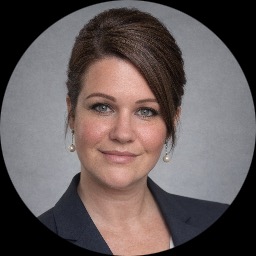
Ohio · 18 yrs exp
Ohio LISW - Guilt and shame, relationships
Stress, Anxiety · Relationship · Grief · Self esteem · +10 more
Read profile
Illinois · 39 yrs exp
LCSW in Illinois - Stress and Relationship concerns
Stress, Anxiety · Relationship · Grief · Sleeping · +1 more
Read profile
Florida · 16 yrs exp
LCSW - Relationships and Life Change
Stress, Anxiety · Relationship · Parenting · Self esteem · +8 more
Read profile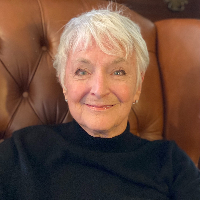
Arizona · 10 yrs exp
LCSW in Arizona - Mood and life transitions
Stress, Anxiety · Self esteem · Bipolar · Depression · +10 more
Read profile
Wisconsin · 8 yrs exp
Licensed Professional Counselor - Relationships and Anxiety
Stress, Anxiety · Relationship · Self esteem · Career · +10 more
Read profile
New York · 9 yrs exp
LMHC in New York - Anxiety and Relationships
Stress, Anxiety · Relationship · Parenting · Self esteem · +1 more
Read profile
Missouri · 8 yrs exp
Licensed Professional Counselor - Stress and Shame
Stress, Anxiety · Addictions · LGBT · Trauma and abuse · +15 more
Read profile
New Jersey · 26 yrs exp
Licensed counselor - relationships and mood
Stress, Anxiety · Relationship · Family · Self esteem · +1 more
Read profile
North Carolina · 24 yrs exp
Licensed Clinical Social Worker - Trauma and relationships
Stress, Anxiety · Relationship · Family · Trauma and abuse · +14 more
Read profile
Oklahoma · 3 yrs exp
LPC counselor - Guilt and shame, anxiety
Stress, Anxiety · Anger · Depression · Coping with life changes · +7 more
Read profile
Louisiana · 11 yrs exp
LCSW - Stress and trauma care
Stress, Anxiety · Addictions · LGBT · Trauma and abuse · +12 more
Read profile
Illinois · 11 yrs exp
LCSW - Anxiety and grief focus
Stress, Anxiety · Trauma and abuse · Grief · Self esteem · +4 more
Read profile
Missouri · 15 yrs exp
Licensed Professional Counselor - Guilt and shame, life changes
Stress, Anxiety · Grief · Parenting · Depression · +1 more
Read profile
Michigan · 27 yrs exp
LMSW - Stress and trauma support
Stress, Anxiety · Addictions · Trauma and abuse · Depression · +1 more
Read profile
Virginia · 30 yrs exp
LCSW - Stress and relationship concerns
Stress, Anxiety · Relationship · Grief · Depression · +16 more
Read profile
Florida · 20 yrs exp
LCSW - Stress and grief focus
Stress, Anxiety · Family · Grief · Career · +1 more
Read profileWhen you are carrying feelings connected to chronic illness, you may wrestle with both guilt and shame. Plainly put, guilt tends to focus on something you did or did not do - a choice, an action, or an outcome that feels regrettable. Shame is about how you see yourself - the sense that you are flawed, broken, or unworthy. The two often overlap: an action that triggers guilt can lead you to globalize that experience into shame about who you are. Talking through these distinctions with a clinician can help you see where the feeling sits, how it shows up in your relationships and day-to-day decisions, and what kinds of steps might help you make sense of it without moralizing your experience.
Because guilt and shame can come from many sources - past family messages, faith communities, medical decisions, relationship dynamics, or traumatic events - a therapist's description of their focus areas and approaches can help you decide who to read more about. Profiles in this directory show which clinicians list Chronic Illness alongside guilt and shame as areas they work with. That listing does not prove a particular certification or guarantee specific services, but it does indicate that the therapist is signaling interest or experience in these topics. If shame ever comes with thoughts of harming yourself, contact local emergency services or a crisis line in your country right away.
Chronic illness changes daily life in tangible ways: roles shift, abilities change, and plans are often rearranged. Those changes can provoke guilt about the ways you think you have burdened others, regret about past choices, or self-reproach about perceived failures to manage your condition. Shame can arrive as a deep sense that the illness has made you less of who you once were or unworthy in certain social or intimate roles. You may feel judged by family or communities, or experience internalized messages that link illness to weakness. These emotional responses are personal and varied - two people with the same diagnosis can feel very different about it - which is why looking at profiles that describe experience with chronic conditions, caregiving dynamics, medical trauma, or long-term health management can be useful.
When you read a profile, pay attention to how a therapist writes about chronic illness and related emotional work. Some clinicians emphasize processing grief and identity shifts, others highlight skills for managing stress and decision-making, and others name experience working with people navigating end-of-life care or prolonged treatment. Because the directory includes professionals from the US, the UK, and Australia, you may also notice references to experience with regional health systems or cultural contexts - factors that can shape the way guilt and shame show up and are discussed in sessions.
When you find a profile that resonates, think about specific questions to help you compare clinicians. Ask whether they list Chronic Illness and guilt or shame among their focus areas and what that looks like in practice. You can ask, for example, how they describe their typical work with someone who feels guilty about medical decisions, or what kinds of conversations they find helpful when shame is linked to identity and roles. Inquiries about therapeutic approach are most useful when framed as options to discuss - you might say, I see you list cognitive, narrative, or emotion-focused approaches; how might those be used around illness-related guilt?
It is important to distinguish academic degrees from permission to practice. A profile may show a PhD, PsyD, MD, MA, or MSW; those are academic or professional credentials. In the United States, clinicians often hold state licenses such as licensed clinical social worker or licensed professional counselor. In the UK clinicians may be registered with regulatory bodies or belong to professional associations, and in Australia practitioners may be registered with national boards or be members of professional organisations. Degree alone does not establish current permission to practice, so you may want to ask whether the clinician holds the appropriate license, registration, or membership for providing care where you live. Also ask about experience working with the specific kinds of chronic conditions or family, faith, or cultural contexts that matter to you.
If you are considering remote sessions, there are practical topics to clarify before you begin. Ask how the clinician manages privacy and platform use, and whether sessions are held from a private space. Discuss how they handle urgent concerns that may arise between sessions, including what local emergency resources they advise people to contact. Because licensing and registration can determine where a clinician is allowed to provide services, ask whether they are permitted to work with someone in your jurisdiction if you are in a different state or country. Time zones, session length, and communication preferences for non-session questions are also useful to cover so you know how the clinician structures their work.
It is reasonable to ask how the clinician approaches the first few sessions - how they assess needs related to chronic illness and how they collaborate with you to set goals. If you have strong feelings tied to faith or cultural background, or if trauma is part of the picture, ask how that is typically addressed in their practice. Remember that descriptions in profiles are starting points for conversation - clinicians who list certain approaches are showing what they may draw on, not proving formal certification in every listed method.
Comparing profiles is about matching questions you care about with the language a clinician uses. Look for clear mentions of Chronic Illness along with guilt and shame if those are priorities for you. Notice which therapeutic approaches are listed and consider how those labels fit with what you want - therapists who list EMDR among their approaches are indicating one option they may use, while others might list cognitive-behavioral, psychodynamic, narrative, or acceptance-based work. Read the profile descriptions to get a sense of therapeutic style - some clinicians describe collaborative, problem-solving work while others describe reflective, exploration-oriented approaches. Think about what style feels more manageable for you.
Language capacity and cultural competence can be crucial. If you prefer to talk in a language other than English, or within certain cultural frames, check for languages listed and mentions of experience with particular communities. For credentials, note degrees separately from licenses or registrations and, when relevant, ask whether the clinician holds permission to practice where you are located. Finally, consider how a profile presents lived experience or professional interest - clinicians sometimes note why they chose to work with chronic illness, whether through personal experience, family caregiving, or clinical training. Use those signals to create a short list of profiles you want to contact and prepare specific questions so your first conversation helps you decide whether to move forward.
Choosing a clinician to talk with about guilt and shame linked to chronic illness is a personal decision. Use the profiles on this page to compare focus areas, approaches, credentials, languages, and listed location, and to shape the questions you bring to an initial conversation. If you ever have immediate concerns about harming yourself, contact local emergency services or a crisis line right away.
Alabama
97 therapists
Alaska
19 therapists
Arizona
91 therapists
Arkansas
63 therapists
Australia
307 therapists
California
802 therapists
Colorado
180 therapists
Connecticut
69 therapists
Delaware
13 therapists
District of Columbia
20 therapists
Florida
661 therapists
Georgia
165 therapists
Hawaii
28 therapists
Idaho
48 therapists
Illinois
246 therapists
Indiana
118 therapists
Iowa
31 therapists
Kansas
50 therapists
Kentucky
126 therapists
Louisiana
124 therapists
Maine
19 therapists
Maryland
141 therapists
Massachusetts
81 therapists
Michigan
249 therapists
Minnesota
95 therapists
Mississippi
74 therapists
Missouri
149 therapists
Montana
45 therapists
Nebraska
41 therapists
Nevada
50 therapists
New Hampshire
12 therapists
New Jersey
158 therapists
New Mexico
34 therapists
New York
399 therapists
North Carolina
262 therapists
North Dakota
10 therapists
Ohio
168 therapists
Oklahoma
135 therapists
Oregon
56 therapists
Pennsylvania
251 therapists
Rhode Island
11 therapists
South Carolina
119 therapists
South Dakota
16 therapists
Tennessee
125 therapists
Texas
847 therapists
United Kingdom
1362 therapists
Utah
75 therapists
Vermont
19 therapists
Virginia
132 therapists
Washington
108 therapists
West Virginia
23 therapists
Wisconsin
109 therapists
Wyoming
20 therapists