- CBT techniques
- Motivational interviewing
- Solution-focused steps
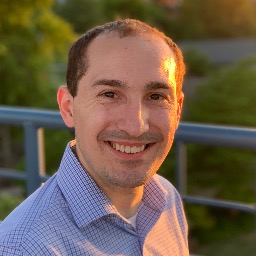
About Bradley
Bradley Charbonneau is an Arkansas LCSW with ten years of clinical experience. He works with adults carrying stress, anxiety, depression, relationship issues, and concerns such as guilt and shame. Sessions are offered in English and Spanish. Bradley helps people struggling with panic, social anxiety, and problems that come from life changes or loss.
He uses straightforward, evidence-informed methods to address harmful thought patterns. Bradley encourages clients to talk through negative self-beliefs and to test out new ways of thinking. This often means trying small behavioral steps between sessions to build confidence in everyday situations.
In work with addiction, grief, trauma, or anger, he focuses on practical coping skills and clearer decision making. When issues involve identity, sexuality, or gender dysphoria, he helps people name what matters to them and reduce internal conflict. He also supports people dealing with career stress, parenting strain, and compassion fatigue.
Bradley draws on Cognitive Behavioral Therapy, Motivational Interviewing, and Solution-Focused Therapy to set concrete goals. Sessions are oriented toward measurable next steps rather than abstract discussion alone. He invites clients to track progress and adjust techniques as needed.
People who carry guilt or shame often start by sorting where those feelings come from and what they ask of daily life. Bradley works with each person to identify realistic first moves that ease overload and restore a clearer sense of choice.
How Bradley uses practical approaches and online sessions
Bradley uses Cognitive Behavioral Therapy to help people spot and change unhelpful thoughts and the actions that follow. CBT focuses on identifying thinking patterns, testing them in real life, and practicing different responses to lower anxiety and reduce shame.He also uses Motivational Interviewing to support people who feel stuck or uncertain about change. This method listens for a person's own reasons to act and helps translate those reasons into small doable steps. Solution-Focused Therapy is used to set clear, short-term goals and build on what already works in daily life.
Choosing the right approach is part of the work together. Bradley will review needs, goals, and preferences and suggest which methods to try first. Decisions about methods and next steps are made collaboratively and adjusted as progress is tracked.
Session formats are not specified in the biography, so confirm current online options before booking. Online sessions can make attending therapy easier to fit into busy days, allow for shorter check-ins when needed, and reduce travel time. They also let people practice skills in real-world routines and then talk through what happened at the next meeting.
Areas of expertise
Also works with
Additional focus areas
Therapeutic approaches
Experience
10+ years
Listed in
Arkansas
Languages
English, Spanish
Frequently asked questions
What kinds of concerns does he address?
He works with stress, anxiety, depression, relationship and family issues, trauma, grief, addiction, and guilt and shame among other areas.
How does he approach guilt and shame?
He helps people name negative self-beliefs and test new ways of thinking through practical exercises and small behavioral steps.
What is his background and experience?
He is an LCSW with ten years of clinical experience working with anxiety, panic, social anxiety, and related concerns.
What credential and location are on file?
He is an AR LCSW based in Arkansas.
Does he offer sessions in other languages?
Sessions are offered in English and Spanish.
Can international clients work with him?
He does not accept international clients at this time.
How are costs and billing handled?
Cost varies by location and sessions use a subscription that can be canceled at any time.
How do I begin working with him?
Select the See online therapy options button, complete a short matching questionnaire, and schedule a first session.
Online talk therapy is not emergency care. If you are in danger or thinking about harming yourself, use the crisis numbers.