- ACT and CBT
- Mindfulness practice
- Short or long term
About Byron
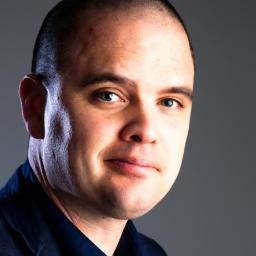
Byron Harris is an NCPS counsellor based in the United Kingdom with seven years of professional experience. He works with adults facing stress, anxiety, trauma and abuse, grief, depression, relationship and intimacy-related issues, and guilt and shame. Sessions focus on what the client wants to change and keep progress clear and practical.
He describes himself as a pluralistic counsellor who draws on different approaches to suit each person's needs. In the first meeting he and the client agree on what matters most and what a successful outcome would look like. Progress is checked regularly and the approach can be adjusted as therapy develops.
Byron uses a mix of methods that include Acceptance and Commitment Therapy, Cognitive Behavioural Therapy, Dialectical Behaviour Therapy, client-centred work and mindfulness-based practices. He says these help people understand thoughts and feelings, build coping strategies, and practise new ways of responding to hard moments.
He has a background in behavioural management and support work, a BSc degree, and an Advanced Diploma in Psychotherapeutic Counselling. He also holds post-qualification diplomas in related therapies and teaching mindfulness for children and adults.
He offers both short-term and longer-term work depending on what the client wants, and is open to single-session planning when that fits a need. Sessions aim to stay focused on agreed goals while being adaptable if priorities change.
How his approaches translate to online work
Byron often draws on Acceptance and Commitment Therapy and Cognitive Behavioural Therapy alongside mindfulness-based practice. ACT focuses on clarifying values and learning to act despite difficult thoughts, which can help with guilt or shame that keeps you stuck. CBT looks at patterns of thinking and behaviour to identify unhelpful habits and try practical experiments to change them. Mindfulness practice trains attention and grounding skills to reduce reactivity and increase choice in difficult moments.Finding the best approach is part of the work together. He will discuss your situation, goals and preferences and suggest which methods to try. That decision is collaborative and reviewed as therapy progresses so the plan can change if something else suits better.
Confirm the available session formats before booking, as the biography does not specify exact online options. Online work can make it easier to fit sessions into a busy week, allow shorter check-ins when needed, and remove travel time. Registered or accredited professionals and therapists often use these practical benefits to help people keep therapy consistent with everyday life.
Areas of expertise
Also works with
Additional focus areas
Therapeutic approaches
Experience
7+ years
Listed in
United Kingdom
Languages
English
Frequently asked questions
What kinds of problems does he help with?
He works with stress, anxiety, trauma and abuse, grief, depression, relationship and intimacy-related issues, and guilt and shame among other concerns.
How would he approach shame or guilt?
He uses a pluralistic approach, selecting methods such as ACT, CBT and mindfulness to help you notice thoughts and choose different responses.
How much experience does he have?
He has seven years of experience working in counselling and related support roles.
What are his credentials and where is he based?
He is listed as NCPS and works in the United Kingdom.
Which languages are supported for sessions?
Sessions are offered in English.
Can people outside the UK work with him?
He does not accept international clients at this time.
How are sessions paid for and what does it cost?
Cost varies by location and sessions use a subscription that can be cancelled at any time.
How do I begin if I want to try sessions?
Select the See online therapy options button, complete a short matching questionnaire, and schedule a first session.
Online talk therapy is not emergency care. If you are in danger or thinking about harming yourself, use the crisis numbers.