- Addictions support
- Guilt and shame
- LGBTQ matters
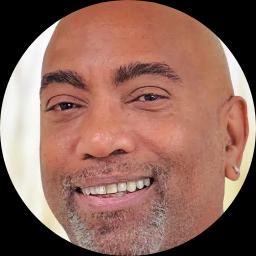
About Derek
Derek Kee-Haynes is a Florida LCSW with eight years of clinical experience. He works with adults facing addictions, depression, low self-esteem, trauma and LGBTQ-related concerns. He also helps people wrestling with guilt and shame, issues around abandonment, and relationship or communication struggles.
Derek centers sessions on the client’s own knowledge of their life. He treats the person as the expert on their story and looks for strengths to build on. Conversations focus on what feels most urgent and practical steps the client can try between meetings.
Sessions are direct and conversational. Derek listens for patterns that keep a problem going, like control issues, codependency, or shame responses. He then helps the person test small changes and notice what shifts in daily life. Work can include looking at past hurts and how they affect current choices, including substance use or relationship difficulties.
He brings clinical experience from treatment of mood disorders, personality challenges, chronic illness concerns, and HIV/AIDS related stress. He also supports people processing infidelity, forgiveness, and questions about life purpose. Language of sessions is plain and straightforward, with attention to cultural and multicultural concerns.
People who contact him will use a short matching questionnaire to begin. The first meeting is a chance to clarify goals and practical next steps. Sessions are organized around what the client wants to address and what fits into their day-to-day life.
How therapeutic approaches translate to online sessions
Evidence-based methods often used for the concerns listed include trauma-focused work and interventions for addiction and mood regulation. Trauma-focused approaches help a person name and reduce the intensity of memories or reactions related to past abuse, making daily life more manageable. Addiction-focused techniques look at triggers and develop concrete strategies to change behaviors and support recovery efforts.Finding the right approach is part of the work together. The therapist will review a person’s goals, symptoms, and preferences and recommend strategies to try. This is a collaborative process where adjustments are made based on what feels most helpful to the client.
Session formats are not specified in the biography, so confirm current online options before booking. In general, online work can make fitting therapy into a busy schedule easier, allow for shorter check-ins when needed, and remove travel time. It can also let someone choose whether to use video or audio depending on comfort and bandwidth. Licensed professionals can adapt exercises and homework for use between sessions so the work fits into everyday life.
Areas of expertise
Primary focus
Additional focus areas
Experience
8+ years
Listed in
Florida
Languages
English
Frequently asked questions
What kinds of concerns does he help with?
He works with addictions, depression, self-esteem, trauma and LGBT-related issues, plus related problems such as guilt and shame.
How would he approach feelings of guilt or shame?
He listens for the story behind the emotion and looks for patterns that keep it active, then helps people try small, practical changes and notice the effects.
What is his clinical background?
He has eight years of professional experience working with mood disorders, addiction, trauma, personality concerns, and related issues.
What credentials and location does he hold?
He is a Florida LCSW and practices in Florida.
Does he work in languages other than English?
Sessions are offered in English.
Can people outside the United States work with him?
He is not currently accepting international clients.
How are sessions paid for?
Cost varies with location and sessions use a subscription that can be canceled at any time.
How do I begin working with him?
Use the See online therapy options button, complete a short matching questionnaire, and then schedule a first session.
Online talk therapy is not emergency care. If you are in danger or thinking about harming yourself, use the crisis numbers.