- Client-Centered Therapy
- Cognitive Behavioral Therapy
- DBT skills
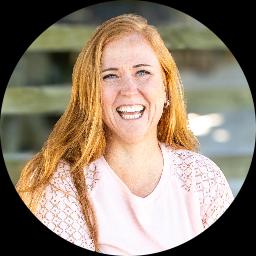
About Cheryl
Cheryl Hann is an LPC, Licensed Professional Counselor, and an LCMHC, Licensed Clinical Mental Health Counselor, practicing in North Carolina with ten years of professional experience. She helps people who are carrying worries about stress, anxiety, self-esteem, career struggles, and depression. She also lists support for issues such as trauma and abuse, grief, addiction, and concerns around intimacy and body image.
Cheryl draws on client-centered work to keep conversations focused on the person sitting across from her. She also uses cognitive behavioral tools to spot thinking patterns that keep shame and guilt active. Dialectical behavior therapy skills are offered when people need concrete ways to manage strong emotions and stay grounded.
Her background includes work with active duty military and veterans, and study in Hispanic and Chicano cultural perspectives. The original biography notes university-level Spanish testing and training related to religious trauma and life after involvement in high-demand religions. These experiences inform how she talks about identity, faith, and family issues in sessions.
In practical terms she describes adapting dialog and plans to fit individual concerns. That can mean short, focused coaching-style conversations when someone needs motivation or decision support, or more extended work when grief, trauma, or longstanding shame are present. She frames the work as collaborative, with attention to specific goals.
People looking for help with guilt or shame linked to relationships, faith, or past actions will find her list those concerns among her areas of focus. Before booking, readers should confirm current session options and formats through the therapist's scheduling process.
How her approaches translate to online sessions
Client-centered work means sessions begin with the person's own concerns and priorities. The therapist listens, reflects what she hears, and helps clients choose what to focus on next. This approach suits people who need space to name and make sense of guilt or shame tied to relationships, faith, or life choices.Cognitive Behavioral Therapy (CBT) looks at the thoughts and behaviors that keep painful feelings active. In a few sessions CBT can help identify patterns of thinking that worsen shame and teach practical ways to test and change those patterns. Dialectical Behavior Therapy (DBT) supplies skills for emotion regulation, distress tolerance, and mindful attention when feelings feel overwhelming; these skills are useful when shame triggers strong reactions.
Finding the right mix of approaches is part of the work. The therapist will collaborate with each client to decide whether brief, focused coaching-style sessions or longer therapeutic work best matches goals and needs. That decision is based on what the client wants to address and how they respond to early sessions.
The biography does not specify session delivery methods, so confirm current session formats before booking. Online sessions can make it easier to fit meetings into a busy life, allow shorter check-ins when needed, and offer options that do not require travel. Licensed professionals adapt pacing and techniques so that CBT exercises or DBT skill practice fit regular routines without promising a particular outcome.
Areas of expertise
Primary focus
Also works with
Additional focus areas
Therapeutic approaches
Experience
10+ years
Listed in
North Carolina, South Carolina
Languages
English
Frequently asked questions
What concerns does she address related to guilt and shame?
She lists stress, anxiety, self-esteem, trauma and abuse, relationship and intimacy issues, grief, and body image among her focus areas that often overlap with guilt and shame.
How does she approach feelings of guilt?
She uses client-centered conversation alongside cognitive behavioral techniques to identify unhelpful thoughts that fuel guilt and to try different ways of responding.
What is her professional background and experience?
She has ten years of experience in the mental health field and has worked with active duty military and veterans, according to the supplied biography.
Which licenses does she hold and where does she practice?
She holds LPC and LCMHC credentials and is licensed in North Carolina, as listed in the source information.
Can sessions be held in other languages?
Sessions are offered in English and the biography notes university-level Spanish testing; confirm language options when scheduling.
Does she work with international clients?
International clients are accepted, per the provided profile details.
How are sessions paid for and what does cost look like?
Cost varies with location and sessions use a subscription model that can be canceled at any time, according to the facts supplied.
What is the first step to begin working together?
Select the See online therapy options button, complete a short matching questionnaire, and schedule a first session as described in the profile instructions.
Online talk therapy is not emergency care. If you are in danger or thinking about harming yourself, use the crisis numbers.