- Guilt and shame
- Substance concerns
- Communication problems
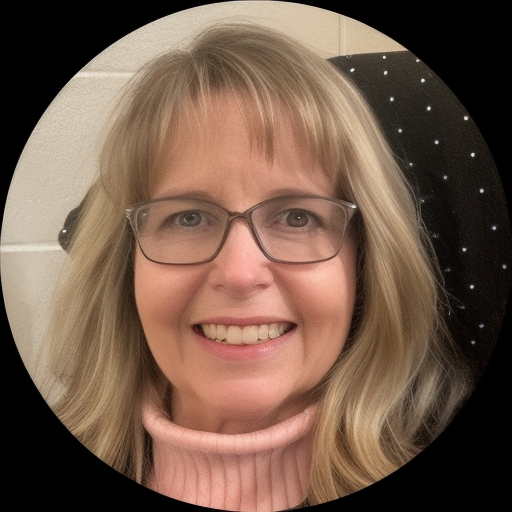
About Jill
Jill Longshore is a South Carolina LISW-CP with 24 years of practice. She works with people facing stress, anxiety, depression, trauma and abuse, relationship struggles, and addictions, including concerns about guilt and shame.
She prefers clear, direct conversations about what is happening now and what feels stuck. Sessions focus on practical ways to manage intense feelings and improve everyday functioning. She talks through coping strategies, communication skills, and steps people can try between appointments.
Her background includes long experience supporting issues that cross many life stages. That includes adoption and foster care matters, aging and geriatric issues, and challenges tied to first responder roles. She also addresses substance concerns such as drug and alcohol addiction and smoking or vaping cessation.
Jill pays attention to how relationships and family patterns affect current behavior. She helps people work through control issues, dependent personality tendencies, divorce and separation effects, and isolation or loneliness. Forgiveness and dealing with guilt and shame are named areas she will address with clients.
Her style is collaborative and respectful. She works with each person to decide which techniques to use and how to measure progress. Sessions aim to build skills for clearer communication, steadier moods, and better decision making.
People schedule through an online matching process and then arrange their first session. Sessions are conducted in English and she practices in South Carolina as an LISW-CP.
Therapeutic approaches and online sessions
Jill uses evidence-based therapeutic techniques that focus on clear, practical work. One approach helps people learn skills to manage anxiety and regulate strong emotions through repeated practice and small behavior changes. Another approach looks at how past experiences and relationships affect current patterns, helping people notice and shift unhelpful reactions tied to trauma or shame.Choosing the right method is a collaborative process. Jill will talk with each person about goals, preferences, and what feels most useful. Together they decide which techniques to try and how to adjust them over time based on what helps most.
The original biography does not list specific session formats, so please confirm available options before booking. In general, online sessions can make it easier to fit therapy into a busy life - for example a shorter check-in during a work break or a session without needing to travel. They also let people keep therapy consistent across schedules and locations when that matters. Licensed professionals can help figure out the practical setup that best fits a person’s routine.
Areas of expertise
Primary focus
Additional focus areas
Experience
24+ years
Listed in
South Carolina
Languages
English
Frequently asked questions
What kinds of problems does she address?
She works with stress, anxiety, depression, trauma and abuse, relationship issues, and addictions. Guilt and shame are listed among her focus areas.
How would she approach feelings of shame or guilt?
She uses practical, talk-based work to identify what keeps those feelings active and to try new coping strategies. The aim is to develop ways to respond differently to painful self-judgment.
What experience does she bring to therapy?
Jill has 24 years of clinical practice. That includes work with addiction, family dynamics, and age-related concerns.
What are her credentials and where does she practice?
She holds the credential LISW-CP and practices in South Carolina.
Can sessions be held in other languages or for international clients?
Sessions are offered in English. She does not accept international clients.
What session formats are available?
The original profile does not list specific session formats. Please confirm current session options before booking.
How does cost work for sessions?
Cost varies with location and sessions use a subscription that can be canceled at any time.
How do I begin working with her?
Use the See online therapy options button, complete the short matching questionnaire, and schedule a first session.
Online talk therapy is not emergency care. If you are in danger or thinking about harming yourself, use the crisis numbers.