- CBT methods
- Mindfulness skills
- Trauma-informed work
About Elizaveta
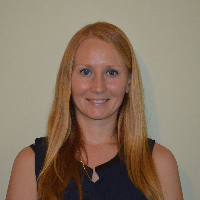
Elizaveta (Liza) Patchen is a Licensed Clinical Social Worker (LCSW) in Florida with nine years of clinical experience. She works with adults facing stress, anxiety, addictions, trauma and abuse, grief, depression, LGBT concerns, eating and sleeping problems, low self-esteem, and life changes. She also lists compassion fatigue and ADHD among her common concerns.
She earned a Bachelor’s in Culture and Arts in 2009 and a Master’s Degree in Social Work in 2014. Since 2014 she has worked in inpatient and outpatient settings. Her experience includes supporting people with addiction in inpatient programs and working with elderly patients in inpatient care.
Her approach draws on client-centered work and evidence-based methods. She uses Cognitive Behavioral Therapy (CBT), Dialectical Behavior Therapy (DBT), mindfulness techniques, and trauma-focused work. Sessions often include practical skills and thought-focused strategies to address difficult feelings and behaviors.
She has worked with people who are severely mentally ill and those coping with loss of purpose and major life stress. She emphasizes helping clients reexamine and redefine what gives their life meaning. That focus guides goal-setting and the steps taken in therapy.
Elizaveta conducts sessions in English and Russian and accepts international clients. Cost varies by location and sessions use a subscription that can be canceled at any time. To begin, a person completes a short matching questionnaire and schedules a first session.
How her therapeutic approaches translate to online work
Client-Centered Therapy focuses on listening and helping people find their own goals. In practice this means sessions start by understanding what matters to the person and building goals together. Cognitive Behavioral Therapy (CBT) works with thoughts and behaviors; it breaks down unhelpful thinking patterns and teaches skills to change reactions. CBT is often used for anxiety, depression, and many forms of guilt-related thinking.Finding the right approach is part of the work. The therapist will talk with the client about needs, preferences, and goals and then try methods that fit. Together they track what helps and adjust the plan as needed, blending skills work with reflective conversation.
The original biography does not list specific session formats, so confirm available formats before booking. Online sessions can make it easier to fit therapy into a busy week, allow a shorter check-in when needed, and reduce travel time. They can also let someone continue work with a licensed professional when relocating or living abroad. The therapist will discuss practical logistics and help choose an approach that fits daily life.
Areas of expertise
Also works with
Additional focus areas
Therapeutic approaches
Experience
9+ years
Listed in
Florida
Languages
English, Russian
Frequently asked questions
What concerns does she address related to guilt and shame?
She lists trauma, addictions, grief, depression, low self-esteem, body image, and forgiveness among her focus areas that often connect with guilt and shame.
What is her general approach in sessions?
She uses client-centered methods plus evidence-based techniques like CBT, DBT, mindfulness, and trauma-focused work. Sessions tend to combine practical skills with conversational support.
How long has she worked in clinical practice?
She has nine years of experience, practicing since completing her Master’s in Social Work in 2014 and working in both inpatient and outpatient settings.
What are her credentials and where does she practice?
She is a Licensed Clinical Social Worker (LCSW) licensed in Florida and practices with that credential in Florida.
Does she offer sessions in other languages?
Sessions are offered in English and Russian.
What session formats are available?
The biography does not specify session formats; please confirm current session options before booking.
How does pricing work for sessions?
Cost varies with location and sessions use a subscription model that can be canceled at any time.
What are the first steps to begin?
Select the See online therapy options button, complete a short matching questionnaire, and schedule a first session.
Online talk therapy is not emergency care. If you are in danger or thinking about harming yourself, use the crisis numbers.