- CBT strategies
- Acceptance and Commitment Therapy
- Solution-focused work
About Rebecca
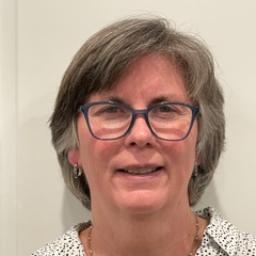
Rebecca Shaughnessy is a Licensed Professional Counselor (LPC) in Alabama with five years of clinical experience. She works with adults facing stress, anxiety, depression, relationship struggles, mood disorders, trauma, grief, and issues like ADHD, addiction, and guilt and shame.
Her style is collaborative and client-centered. Sessions focus on practical steps a person can try between meetings. Rebecca emphasizes building a working relationship and breaking problems into small, manageable moves rather than overwhelming goals.
She draws on several approaches to guide conversations. Cognitive Behavioral Therapy (CBT) is used to identify patterns of thought and behavior that keep someone stuck. Acceptance and Commitment Therapy (ACT) helps people notice difficult feelings and choose actions that align with their values.
Rebecca also uses solution-focused techniques to find immediate, workaday changes that ease pressure. Her client-centered stance keeps the conversation grounded in what each person brings and what feels possible for them right now.
People who come to her often want help with life transitions, parenting strain, first responder or veteran-related stress, compulsive behaviors, or the heavy weight of shame and guilt. She asks straightforward questions and sets practical small goals so progress feels achievable. To begin, she guides people through a short matching questionnaire and schedules a first session.
Therapeutic approaches and how online sessions work
Rebecca uses Cognitive Behavioral Therapy to help people notice and change unhelpful thought and behavior patterns. CBT is often useful for anxiety, panic, OCD, and mood problems because it targets the thinking and routines that keep distress repeating.She also uses Acceptance and Commitment Therapy, which focuses on recognizing difficult feelings and choosing actions that reflect personal values. ACT can help with lingering shame or guilt by shifting the emphasis from trying to eliminate feelings to living in a chosen direction despite them.
Finding the right approach is part of the work. Rebecca treats the choice of method as collaborative. She will talk with each person about goals and preferences and then try techniques that fit the situation, adjusting as needed over time.
The practical benefits of online sessions are about fitting therapy into life. Confirm current session options before booking. Online work can make scheduling easier, reduce travel time, and allow shorter check-ins when that suits a day at work. Talk with her through the platform about what length and rhythm of sessions best fit your routine.
Areas of expertise
Primary focus
Also works with
Additional focus areas
Therapeutic approaches
Experience
5+ years
Listed in
Alabama, Virginia
Languages
English
Frequently asked questions
What kinds of concerns does she help people with?
She works with stress, anxiety, depression, relationship problems, trauma and abuse, mood disorders, addictions, grief, parenting strain, ADHD, and guilt and shame among other issues.
How would she describe her therapeutic style?
Her approach is collaborative and client-centered. She focuses on practical steps and small goals to help people move forward.
How much experience does she have?
She has five years of experience working as a Licensed Professional Counselor.
What are her credentials and where is she based?
She is an LPC licensed in Alabama and Virginia and practices from Alabama.
Which languages are supported for sessions?
Sessions are offered in English.
Does she work with clients outside the United States?
International clients are not currently accepted.
How are session costs handled?
Cost varies with location and sessions use a subscription model that can be canceled at any time.
What is the first step to begin working together?
Select the See online therapy options button, complete a short matching questionnaire, and schedule a first session.
Online talk therapy is not emergency care. If you are in danger or thinking about harming yourself, use the crisis numbers.