- Addictions
- Depression
- Guilt and shame
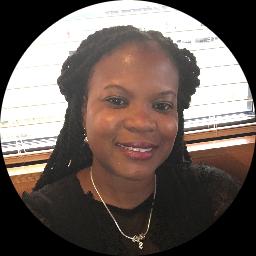
About Selma
Selma Smith is a Licensed Clinical Mental Health Counselor (LCMHC) in North Carolina with 11 years of clinical experience. She works with adults on concerns such as addiction, anxiety, depression, grief, and self-esteem. Her practice also lists issues like parenting stress, sleep problems, ADHD, and guilt and shame.
She focuses on practical conversations that address what is happening now. Sessions typically look at patterns that keep a person stuck and at concrete steps to try differently. Selma adapts the pace to each person and uses approaches grounded in evidence-based therapeutic techniques.
Her background includes supporting people through life changes and career transitions, and helping those affected by trauma, domestic violence, and substance use. She also works with people dealing with compassion fatigue, caregiver stress, and challenges tied to adoption or abandonment.
In session she attends to communication and control issues, and she helps people who wrestle with forgiveness, guilt, and shame. She pays attention to day-to-day symptoms such as sleep difficulties and overwhelmed feelings, and she helps build clearer routines and coping strategies.
Selma invites straightforward planning with measurable steps. She will talk through goals, try strategies, and adjust work based on what helps. The approach is practical and focused on making changes that fit into everyday life.
Evidence-based techniques and how they fit online
Two common evidence-based approaches she uses are cognitive-focused work and skills-based strategies. Cognitive-focused work looks at unhelpful thinking patterns and offers ways to test and change those thoughts; this can help with guilt, shame, anxiety, and low self-esteem. Skills-based strategies build concrete habits for stress, sleep, and coping with cravings, using short exercises and practice between sessions.She treats finding the right approach as a collaborative process. She will discuss options, try methods that match your goals, and change course when something isn’t helping. The emphasis is on choosing approaches that fit your day-to-day life and your readiness for change.
The listing does not specify which session formats are offered, so confirm current options before booking. Online work can make it easier to fit therapy into a busy schedule, shorten commute time, and allow for brief focused check-ins when needed. Many people find remote sessions help them stay consistent while they try new coping skills in real time.
Areas of expertise
Also works with
Additional focus areas
Experience
11+ years
Listed in
North Carolina
Languages
English
Frequently asked questions
What kinds of issues does she address?
She works with addictions, anxiety, depression, grief, self-esteem, and related concerns such as parenting stress, sleep problems, and guilt and shame.
How would she describe her therapeutic style?
She uses practical, evidence-based techniques and focuses on conversations that identify patterns and next steps. The work centers on clear strategies and gradual change.
How much clinical experience does she have?
She has 11 years of professional work experience providing mental health support in North Carolina.
What are her credentials and where does she practice?
She is a Licensed Clinical Mental Health Counselor, LCMHC, licensed in North Carolina.
Which languages are supported in sessions?
Sessions are offered in English.
Does she work with clients outside the United States?
She does not accept international clients at this time.
How are sessions arranged and what about format options?
The profile does not list specific session formats. Confirm current session options before booking to be sure they meet your needs.
How are fees handled and what is the first step?
Cost varies with location and sessions use a cancelable subscription. To begin, select the See online therapy options button, complete the short matching questionnaire, and schedule a first session.
Online talk therapy is not emergency care. If you are in danger or thinking about harming yourself, use the crisis numbers.