- Trauma and abuse
- Guilt and shame
- CBT and DBT methods
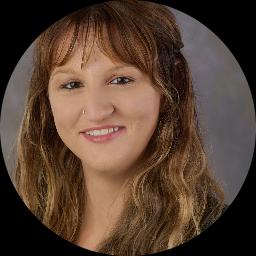
About Chelsey
Chelsey Lee is a Licensed Professional Counselor (LPC) and a Licensed Clinical Mental Health Counselor (LCMHC) with five years of experience. She is licensed in North Carolina and works with adults on common struggles like stress, anxiety, depression, and difficulties with self-esteem. Her listing also notes work around trauma and abuse, coping with life changes, ADHD, and concerns tied to identity and relationships.
Chelsey aims for a straightforward way of working. She listens first, then helps people name what feels hardest. Sessions focus on practical next steps, learning skills, and talking through painful memories or present worries. She uses approaches that center the client and build coping tools rather than long lectures.
Her practice draws on techniques from client-centered therapy, cognitive behavioral therapy, and dialectical behavior therapy, plus mindfulness and solution-focused methods when they fit. That mix lets her move between exploring feelings and trying short experiments to change unhelpful patterns. She often combines skill work with chance to digest upsetting events.
The profile emphasizes helping people dealing with guilt and shame related to family, faith, relationships, or choices. Chelsey also lists additional concerns such as body image, fertility and pregnancy issues, grief and end-of-life matters, and mood disorders.
For someone nervous about starting, Chelsey frames therapy as step-by-step. She asks about concrete goals, then makes small, testable changes to daily habits and thinking. The approach is practical and conversational, aimed at reducing the weight of blame and regret over time.
How her approaches fit into online sessions
Client-centered therapy focuses on listening and reflecting so the client feels understood. It helps when someone needs to sort through guilt, shame, or confusing feelings by being heard and asked useful questions. Cognitive behavioral therapy (CBT) looks at thoughts and behaviors and uses experiments and exercises to test new ways of thinking. It is often used for anxiety, depression, and self-critical thinking. Dialectical behavior therapy (DBT) offers skills for regulating strong emotions, tolerating distress, and improving interpersonal effectiveness, which can be helpful when shame or impulsivity gets in the way.Finding the right mix of approaches is part of the work. Chelsey will collaborate with each person to identify goals and try approaches that match those needs. That means checking in and adjusting techniques if something is not helpful, and combining listening with concrete skill practice when useful.
Session formats are not specified in the profile, so confirm current online options before booking. Many people choose online sessions because they fit around work, caregiving, or travel. Online meetings can make it easier to have shorter check-ins, plan practice between sessions, or avoid travel time. Licensed professionals can use the online setting to combine skill practice, behavioral experiments, and reflection in ways that fit a person’s daily life.
Areas of expertise
Primary focus
Also works with
Additional focus areas
Therapeutic approaches
Experience
5+ years
Listed in
North Carolina, South Carolina
Languages
English
Frequently asked questions
What concerns does she address?
She works with stress, anxiety, depression, trauma and abuse, self-esteem, guilt and shame, ADHD, and related life changes as listed in her profile.
How does she approach work with guilt or shame?
She combines client-centered listening with practical techniques from CBT and DBT to name painful feelings and try small changes in thinking and behavior.
What is her clinical background and experience?
She holds LPC and LCMHC credentials and has five years of professional experience supporting adults with mood and anxiety concerns.
Where is she licensed to practice?
She is licensed in North Carolina and the profile lists those credentials as SC LPC and NC LCMHC for reference.
Which languages are offered for sessions?
Sessions are offered in English.
Can people outside the United States work with her?
International clients are not currently accepted.
How are sessions paid for?
Cost varies by location and sessions use a subscription model that can be canceled at any time.
How do I begin working with her?
Use the See online therapy options button, complete the short matching questionnaire, and schedule a first session.
Online talk therapy is not emergency care. If you are in danger or thinking about harming yourself, use the crisis numbers.