- ACT
- CBT
- Client-centered
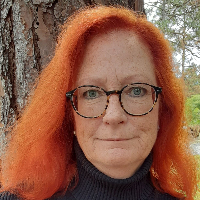
About Heather
Heather Raymo is a Colorado-based clinical social worker (LCSW) with 29 years of experience. She works with adults facing stress, anxiety, depression, grief, trauma and related life changes, including relationship and intimacy concerns and issues around parenting and caregiving.
She uses clear, practical methods in sessions. Heather blends client-centered work with cognitive-behavioral ideas, Acceptance and Commitment Therapy, emotionally-focused techniques and hypnotherapy depending on the situation. She listens for patterns, helps people name what’s happening, and then picks steps that feel doable.
Heather’s background includes work in private practice, hospitals, hospice, home health, chronic pain settings and adoption services. That range informs how she approaches persistent problems like chronic illness, caregiver stress, and complicated grief. She also brings knowledge from studies in biology and psychophysiology to understand how body and mind interact.
In a typical conversation she balances intuition with clear, objective goal-setting. Sessions often move between reflecting on feelings and trying practical skills to change unhelpful habits or reactions. She also draws on brief, solution-focused strategies when people need tangible coping tools quickly.
Outside work Heather has lived in Colorado for over 20 years and spends time hiking, camping, reading and caring for animals. She encourages people to notice small shifts over time and to try manageable steps toward feeling less overwhelmed.
How Heather’s approaches translate to online work
Acceptance and Commitment Therapy (ACT) helps people notice painful thoughts without getting stuck and then choose actions that align with their values. It can be useful when guilt or shame keeps someone from living a meaningful life. Cognitive Behavioral Therapy (CBT) focuses on identifying unhelpful thoughts and testing them with behavioral experiments or new routines to reduce anxiety and low mood.Heather treats approach selection as collaborative. She will talk with clients about their goals and preferences, then try methods that make sense for the problem at hand. If one technique isn’t helpful, she will adjust and try another path together rather than sticking to a single plan.
The original biography does not specify session formats, so confirm current online options before booking. Online sessions can make it easier to fit therapy into work or family schedules, allow shorter check-ins when that’s useful, and remove travel time. Talk with her when you schedule to pick a session rhythm and format that fits your daily life and attention needs.
Areas of expertise
Primary focus
Also works with
Additional focus areas
Therapeutic approaches
Experience
29+ years
Listed in
Colorado
Languages
English
Frequently asked questions
What kinds of problems does she work with?
She works with stress, anxiety, depression, trauma and grief, plus related concerns such as relationship issues, parenting stress, addictions and ADHD.
How would she approach guilt or shame tied to relationships?
She uses a mix of client-centered listening, cognitive-behavioral techniques and emotionally-focused work to help people name feelings and try concrete steps to change patterns.
How long has she been practicing?
She has 29 years of professional experience across private practice, hospitals, hospice, home health, chronic pain work and adoption services.
What are her credentials and where is she based?
She is an LCSW licensed in Colorado and practices from that state.
Does she see people who speak other languages or live abroad?
Sessions are offered in English and she is not currently accepting international clients.
What session formats are offered?
The original biography does not list session formats; please confirm current session options before booking.
How much do sessions cost?
Cost varies by location and sessions use a subscription model that can be canceled at any time.
How do I begin working with her?
Start by selecting the See online therapy options button, completing a short matching questionnaire, and scheduling a first session.
Online talk therapy is not emergency care. If you are in danger or thinking about harming yourself, use the crisis numbers.