- ACT techniques
- CBT strategies
- DBT skills
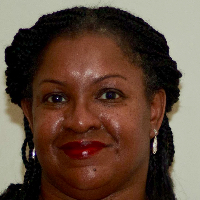
About Kimberly
Kimberly Ennis is a Licensed Clinical Social Worker (LCSW) in North Carolina with 15 years of practice. She works with people facing stress, anxiety, trauma and abuse, grief, depression, self-esteem concerns, and addiction. She also supports those coping with relationship strain, parenting challenges, anger, and life transitions. Kimberly lists guilt and shame among her focus areas and notes special interests such as compassion fatigue and bipolar mood concerns.
She trained at East Carolina University, where she earned a Bachelor’s in Psychology and a Master’s in Social Work. Her background includes military service and clinical work across varied settings, which shaped her attention to culture and environment in therapy. That experience guides how she frames problems and plans treatment.
Kimberly uses several evidence-based approaches. She often draws on Acceptance and Commitment Therapy (ACT) to help people notice their values, and Cognitive Behavioral Therapy (CBT) to look at thoughts and behaviors that keep distress going. She also uses Dialectical Behavior Therapy (DBT) skills, Eye Movement Desensitization and Reprocessing (EMDR) for trauma processing, and mindfulness practices to reduce reactivity.
Her style is practical and client-focused. Conversations usually center on identifying what matters to the person, learning skills to manage strong emotions, and trying small behavior changes. She pays attention to culture and life context when making plans.
Sessions follow a strengths-based approach and are collaborative. To begin, prospective clients select the See online therapy options button, complete a short matching questionnaire, and schedule a first session. Fees vary by location and use a subscription that can be canceled at any time.
How Kimberly integrates ACT, CBT and DBT in online work
Kimberly commonly uses Acceptance and Commitment Therapy (ACT) to help people clarify what matters to them and to practice moving toward those values even when painful feelings appear. This approach can be useful for persistent guilt or shame that keeps someone stuck. Cognitive Behavioral Therapy (CBT) focuses on identifying unhelpful thoughts and testing them with real-life actions to reduce anxiety and improve mood. Dialectical Behavior Therapy (DBT) provides practical skills for distress tolerance, emotion regulation, and clearer communication when feelings run high.Picking the right approach is part of the work together. The therapist will talk with the client about goals, try out methods, and adjust based on what helps most. That collaborative process aims to match tools to the person’s situation and preferences rather than prescribing a single method up front.
Session formats are not listed in the biography, so confirm current options before booking. Online sessions can make it easier to fit therapy into daily life by removing travel time, allowing shorter check-ins when needed, and permitting work around job or caregiving schedules. Therapists and licensed professionals can also adapt exercises to a session’s length, for example using brief skill practice or longer trauma-focused work depending on the client’s needs.
Areas of expertise
Also works with
Additional focus areas
Therapeutic approaches
Experience
15+ years
Listed in
North Carolina
Languages
English
Frequently asked questions
What kinds of concerns does she work with?
She works with stress, anxiety, trauma and abuse, grief, depression, self-esteem, addictions, relationship and parenting concerns, anger, bipolar issues, and related topics including compassion fatigue and life changes.
How would she approach shame or guilt in therapy?
She uses approaches such as Acceptance and Commitment Therapy and Cognitive Behavioral Therapy to help people notice painful thoughts, clarify values, and try small behavior changes that reduce guilt and shame’s hold.
What is her clinical background and experience?
She has 15 years of clinical experience, holds a Master’s in Social Work from East Carolina University, and has worked in diverse settings including service as a U.S. Army veteran.
Where is she licensed to practice?
She is a Licensed Clinical Social Worker (LCSW) licensed in the state of North Carolina.
Which languages are supported?
Sessions are offered in English.
Does she work with international clients?
She is not currently accepting international clients.
What formats and cost structure are used?
Session formats are not specified here; please confirm current session options before booking. Fees vary with location and use a subscription that can be canceled at any time.
How do I start a first session?
Select the See online therapy options button, complete the short matching questionnaire, and schedule a first session through the platform.
Online talk therapy is not emergency care. If you are in danger or thinking about harming yourself, use the crisis numbers.