- Guilt and shame work
- CBT and ACT methods
- Motivational interviewing
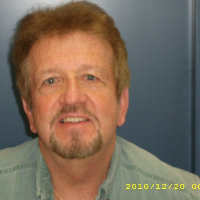
About Ronald
Ronald Moesta is an LMSW (Master Social Worker) with five years of clinical experience working in Michigan. He helps people who are dealing with stress, anxiety, addictions, relationship strain, family problems, depression, and feelings of guilt and shame.
He focuses on building a strong working relationship with each person. He uses practical talk, questions, and reflections to understand what matters most to the client. He pays attention to patterns in thinking and behavior that keep problems going, and looks for small changes that make daily life easier.
Ronald uses several therapy methods to guide sessions. He draws on Acceptance and Commitment Therapy to help people notice painful thoughts without being overwhelmed by them. He uses Cognitive Behavioral Therapy to identify unhelpful thought patterns and try new ways of responding. He also uses client-centered listening and motivational interviewing to support readiness for change.
Sessions tend to be straightforward and focused on real problems people bring in. Discussions might include how guilt or shame shows up, how it affects choices, and practical steps to respond differently. He also addresses issues like attachment and communication problems that often underlie distress.
His approach is conversational and goal-oriented. He and the client work on manageable tasks between meetings. Over time those steps are collected into clearer ways of handling stress, relationships, and addictive behavior.
How therapeutic approaches translate to online sessions
Acceptance and Commitment Therapy (ACT) encourages noticing difficult thoughts and feelings without getting driven by them. It helps people make choices that match their values even when emotions are strong, which suits issues like anxiety, guilt, and shame. Cognitive Behavioral Therapy (CBT) looks at the links between thoughts, feelings, and actions and offers practical experiments to change unhelpful patterns. It is useful for stress, depression, and addictive behaviors.Finding the right approach is part of the work. Ronald will collaborate with clients to try methods that fit their goals and preferences. That means testing what helps, adjusting tactics, and keeping the focus on concrete steps the client can take between sessions.
The biography does not list specific session formats, so confirm the available online options before booking. In general, online sessions can make it easier to fit therapy into a busy schedule, allow shorter check-ins when needed, and reduce travel time. Therapists can use video to watch body language, audio for quicker check-ins, or phone for simpler conversations according to what works best for the person.
Areas of expertise
Primary focus
Additional focus areas
Therapeutic approaches
Experience
5+ years
Listed in
Michigan
Languages
English
Frequently asked questions
What kinds of concerns does he work with?
He works with stress, anxiety, addictions, relationship and family problems, depression, and feelings of guilt and shame.
How does he approach guilt or shame?
He talks through how guilt and shame show up in daily life, looks at the thoughts and behaviors that keep them active, and uses practical strategies to change responses.
What is his therapeutic style?
He emphasizes a strong client-therapist working relationship, uses client-centered listening, and applies evidence-based methods like ACT and CBT.
What experience does he bring?
He holds an LMSW and has five years of clinical experience practicing in Michigan.
Where does he practice and which languages are supported?
He practices in Michigan and offers sessions in English. International clients are not accepted.
What session formats are offered?
The original biography does not specify session formats. Confirm current session options before booking.
How are sessions paid for and what does it cost?
Cost varies with location. Sessions use a subscription model that can be canceled at any time.
How do I begin working with him?
Select the See online therapy options button, complete a short matching questionnaire, and schedule a first session.
Online talk therapy is not emergency care. If you are in danger or thinking about harming yourself, use the crisis numbers.