- ACT and CBT
- Attachment-based work
- Client-centred style
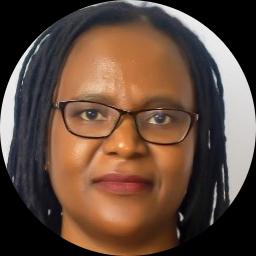
About Salome
Salome Mbenjele is an ACA counsellor in Australia with more than 20 years of professional experience. She works with people dealing with stress, anxiety, family tension, trauma and abuse, low self-esteem and depression. Salome speaks English plus Ndebele (South and North) and Shona, and she describes practical, respectful sessions that focus on what matters now.
Salome aims to make room for honest talk about difficult feelings. She uses straightforward conversation and exercises to help people name their thoughts and notice patterns that keep them stuck. Sessions are described as interactive and based on respect, not labels.
Her work draws on cognitive behavioural ideas alongside acceptance-focused and attachment-based approaches. That mix is used to help with unhelpful thinking, emotional regulation and connection difficulties. Salome also uses elements from dialectical and client-centred methods when they fit a person's needs.
She often supports people facing complex life concerns such as caregiving stress, blended family issues, body image struggles, and adjustment during ageing. Other areas she notes include attachment difficulties, communication problems, and co-morbidity where more than one issue is present.
Salome describes the first sessions as a time to clarify what matters and to agree on small, practical steps. Her practice asks people to reflect and try short exercises between sessions when that would help. To begin, clients complete a short matching questionnaire and schedule an initial appointment.
How therapeutic approaches translate to online work
Acceptance and Commitment Therapy (ACT) helps people notice difficult thoughts and choose actions that align with their values rather than being pushed around by shame or guilt. In practice this can mean learning simple exercises to reduce avoidance and to reconnect with what matters. Cognitive Behavioural Therapy (CBT) focuses on identifying and testing unhelpful thoughts and building small behavioural steps that change mood and confidence. That can include short homework tasks to practise new ways of thinking between sessions. Attachment-Based Therapy looks at patterns in close relationships and how early experiences shape current responses; it can help people understand why certain situations trigger deep shame and how to build steadier connection.Finding the right mix is part of the work. Salome describes a collaborative process where the therapist and client agree which approaches to try based on the person’s goals, preferences and the issues brought to therapy. She frames decisions about technique as practical experiments rather than fixed rules.
The biography does not list which online session formats are used, so confirm the available options before booking. Online sessions can make it easier to fit appointments into a busy week, allow for quieter check-ins that do not require travel, and support regular short practice between sessions. Appropriately qualified or registered professionals can adapt ACT, CBT and attachment work to an online setting so the focus stays on practical changes and improved day-to-day coping.
Areas of expertise
Primary focus
Additional focus areas
Therapeutic approaches
Experience
20+ years
Listed in
Australia
Languages
English, Ndebele, South, Ndebele, North, Shona
Frequently asked questions
What concerns does she help with?
She works with stress, anxiety, family conflict, trauma and abuse, self-esteem concerns and depression, plus related issues such as caregiver stress and body image.
How does she approach feelings of guilt and shame?
She uses acceptance and cognitive-behavioural techniques to help people notice their thoughts and make different choices in response to shame or guilt.
What is her therapeutic style like?
Her style is interactive and conversational, drawing on client-centred and dialectical ideas to help people regulate emotions and improve communication.
How much experience does she have?
She has over 20 years of professional practice in Australia working with a range of mental health and relationship issues.
What credentials does she hold and where is she based?
She is credentialed as an ACA counsellor and practices in Australia.
Which languages are supported in sessions?
Sessions are offered in English, Ndebele (South and North) and Shona.
How are sessions scheduled and what formats are used?
The biography does not specify session formats; please confirm current session options before booking.
How do fees and starting therapy work?
Cost varies with location and sessions use a subscription that can be cancelled at any time. To start, complete the short matching questionnaire and schedule a first session.
Online talk therapy is not emergency care. If you are in danger or thinking about harming yourself, use the crisis numbers.