- CBT techniques
- DBT skills
- Prepare/Enrich present
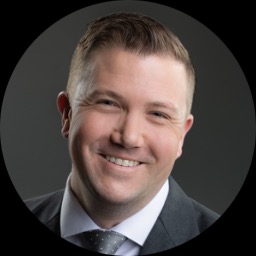
About Scott
Scott Durkin is an LCPC (Licensed Clinical Professional Counselor) practicing in Nevada with five years of clinical experience. He works with people facing stress, anxiety, relationship strain, trauma and abuse, bipolar disorder, and depression. He also addresses issues such as abandonment, attachment concerns, codependency, and forgiveness.
Before private practice, he led inpatient group therapy at a behavioral hospital in Reno. That work involved people across age ranges and varied diagnoses, and it gave him a lot of experience with crisis-driven care and group formats. He brings that background into one-on-one sessions.
His sessions are based on talk therapy combined with evidence-based techniques. He uses cognitive approaches to look at thinking patterns and behavioral tools to change unhelpful routines. He also draws on dialectical behavior ideas for emotional regulation and interpersonal skills.
Scott can include a Christian perspective when a client wants that as part of therapy. He is also certified to use Prepare/Enrich for premarital and marriage conversations, which he integrates when appropriate. He keeps sessions straightforward and practical, focusing on coping strategies and clearer communication.
In the room he offers a relaxed setting and small comforts like coffee or water. He acknowledges that starting therapy can feel hard and addresses that directly. People who worry about judgment will find a direct, practical approach aimed at reducing shame and guilt tied to relationships and past events.
Approaches used online and how they help
Scott bases work on clear, evidence-based techniques. Cognitive approaches focus on identifying and changing unhelpful thoughts and behaviors, which can help with anxiety, depression, and persistent guilt. Dialectical behavior ideas teach specific skills for managing intense emotions and improving communication in relationships.Finding the right approach is part of the process. He will work collaboratively to figure out which techniques fit the client's needs, goals, and preferences. That might mean trying a thought-focused technique for a while, then adding skills practice for emotional regulation if needed.
The biography does not list specific online session formats, so confirm current options before booking. In general, online sessions can make it easier to fit therapy into a busy life, allow shorter check-ins when needed, and remove travel time. They can also let a person choose quieter surroundings or avoid being on camera, depending on what works best for them.
Areas of expertise
Primary focus
Additional focus areas
Experience
5+ years
Listed in
Nevada
Languages
English
Frequently asked questions
What concerns does he help with?
He works with stress, anxiety, relationship issues, trauma and abuse, bipolar disorder, and depression. He also addresses related topics such as abandonment, attachment, codependency, and forgiveness.
How does he approach guilt or shame in sessions?
He uses talk therapy with evidence-based techniques to address thinking patterns and behaviors that keep guilt or shame active. Sessions include practical coping strategies and communication skills to reduce those feelings over time.
What is his clinical background?
He has five years of experience and led inpatient group therapy at a behavioral hospital in Reno. That work included a range of diagnoses and age groups.
What credential does he hold and where is he located?
He is an LCPC, which stands for Licensed Clinical Professional Counselor, licensed in Nevada. He practices in Nevada.
Which languages are sessions offered in?
Sessions are offered in English.
What session formats are available?
The original biography does not specify session formats. Please confirm current session options before booking.
How does payment and cost work?
Cost varies with location and sessions use a subscription that can be canceled at any time. Exact pricing depends on the plan selected.
How do I begin working with him?
Select the See online therapy options button, complete a short matching questionnaire, and schedule a first session.
Online talk therapy is not emergency care. If you are in danger or thinking about harming yourself, use the crisis numbers.