- Stress and anxiety
- Addictions and trauma
- CBT and DBT methods
About Suzanne
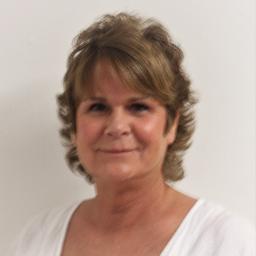
Suzanne Baer is a Licensed Clinical Professional Counselor (LCPC) in Illinois with 22 years of experience. She works with people dealing with stress, anxiety, addictions, trauma and abuse, grief, and depression. Suzanne also focuses on concerns such as abandonment, attachment issues, body image, caregiver stress, chronic pain or illness, codependency, and relationship difficulties.
She has worked in inpatient drug and alcohol treatment, sexual abuse counseling, and community mental health settings. That background informs how she approaches addiction and trauma work. Sessions tend to be conversational and practical, with attention to what feels most helpful right now.
Suzanne draws on client-centered ideas alongside cognitive behavioral and dialectical behavior strategies. She also integrates mindfulness and motivational interviewing techniques depending on the situation. Expect a mix of talking, skill practice, and gentle challenge aimed at shifting unhelpful patterns.
Her style is interactive and direct. She uses clear questions to help people name what matters and to set small goals. For someone carrying guilt or shame, she often focuses on how beliefs and behaviors reinforce those feelings and what can be changed in everyday life.
Sessions are shaped by the individual’s needs and priorities. Suzanne encourages practical steps, reflection on values and actions, and skills to manage strong emotions. To begin, prospective clients follow the site’s matching process and schedule a first session.
Therapeutic approaches used in online sessions
Client-centered therapy focuses on listening and reflecting back what matters to the person. It helps people feel understood and clarifies what they want to change or keep. Cognitive Behavioral Therapy (CBT) breaks problems into patterns of thoughts, feelings, and actions and teaches concrete steps to shift those patterns. CBT is often used for anxiety, depression, and guilt-related thinking.Dialectical Behavior Therapy (DBT) brings skills for managing intense emotions and improving how someone copes under stress. Skills training in DBT can be useful when shame or guilt leads to strong reactions or self-criticism. Suzanne will work together with each person to decide which approaches fit best based on needs, goals, and personal preferences. That process is collaborative and may change over time as priorities shift.
The original biography does not list specific online session formats, so confirm available options before booking. Online work can make it easier to fit sessions into a busy life, allow shorter check-ins when schedules are tight, or reduce travel time. The therapist and client will discuss how to structure sessions so they fit everyday routines and therapy goals.
Areas of expertise
Additional focus areas
Therapeutic approaches
Experience
22+ years
Listed in
Illinois
Languages
English
Frequently asked questions
What kinds of concerns does she help with?
Suzanne works with stress, anxiety, addictions, trauma and abuse, grief, and depression. She also addresses related issues like abandonment, attachment problems, body image, caregiver stress, and relationship challenges.
How would you describe her therapeutic approach?
Her approach blends client-centered conversation with practical techniques from cognitive behavioral therapy and dialectical behavior therapy. Mindfulness and motivational interviewing are added when they fit the person's goals.
How much experience does she have?
She has 22 years of experience working as a therapist, mentor, and life coach across settings such as inpatient addiction treatment and community mental health.
What are her credentials and where does she practice?
She is an LCPC - Licensed Clinical Professional Counselor - practicing in Illinois.
Are sessions available in other languages or internationally?
Sessions are offered in English. International clients are not currently accepted.
What session formats are offered?
The original biography does not specify session formats. Confirm current session options before booking by using the site's matching and scheduling process.
How does pricing work?
Cost varies with location and sessions use a subscription model that can be canceled at any time.
How do I get started?
Use the See online therapy options button, complete the short matching questionnaire, and schedule a first session through the site.
Online talk therapy is not emergency care. If you are in danger or thinking about harming yourself, use the crisis numbers.