- ACT techniques
- CBT strategies
- Mindfulness practice
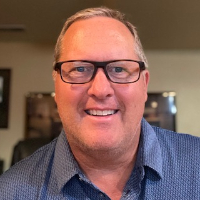
About Timothy
Timothy "Tim" Nordstrom is a Licensed Clinical Social Worker (LCSW) in Montana with 30 years of experience. He works with adults on concerns such as stress, anxiety, depression, trauma and abuse, relationship and parenting challenges, addictions, grief, and issues around self-esteem and intimacy. Tim also supports people navigating life changes, ADHD, compassion fatigue, and forgiveness questions.
Tim listens first and explains what therapy is and how it works. He uses straightforward language to answer practical questions like "what is happening?" and "how can I work toward meaningful change?" He often introduces psychoeducation early so clients share a common framework for the work.
Clinically, he blends tools from cognitive behavioral approaches, acceptance and commitment ideas, dialectical behavior strategies, mindfulness, and a client-centered stance. That means sessions can include learning new skills, noticing thoughts and feelings, and clarifying values to guide choices. He has used creative methods such as music in therapy when it fits the person.
Tim has worked in primary care settings, schools, and private practice. He has experience offering brief focused support to improve quality of life in a few sessions, and longer-term work when needed. His background includes helping people recover from physical trauma and emotional abuse and supporting those with chronic illness and caregiver stress.
People who see him can expect clear explanations, practical tools, and a collaborative effort to reduce the burden of guilt, shame, and stress. He draws on three decades of practice to keep sessions practical and grounded.
How his therapeutic approaches translate to online work
Acceptance and Commitment Therapy (ACT) helps people notice thoughts and feelings while clarifying what matters to them. In practice this can guide decisions and reduce avoidance when guilt or shame is a problem. Cognitive Behavioral Therapy (CBT) focuses on identifying unhelpful thought patterns and trying new behaviors to change mood and functioning. It is often used for anxiety, depression, and stress-related problems. Mindfulness Therapy teaches noticing internal experiences without getting swept away by them, which can reduce reactivity to shame and improve emotional regulation.Finding the right approach is part of the work. The therapist will listen to your situation and goals, then suggest methods to try. That decision is collaborative and can change as sessions progress, with a focus on what helps you manage guilt, stress, or trauma more effectively.
The therapist's published profile does not list specific online session formats, so confirm current options before booking. Online work can make it easier to fit therapy into a busy life - for example it can reduce travel time, allow shorter check-ins when schedules are tight, and let someone choose audio-only if camera use feels difficult. Licensed professionals and therapists commonly use these practical options to help therapy fit into daily routines.
Areas of expertise
Primary focus
Also works with
Additional focus areas
Therapeutic approaches
Experience
30+ years
Listed in
Montana
Languages
English
Frequently asked questions
What kinds of problems does he address?
He works with a wide range of adult concerns including stress, anxiety, depression, trauma and abuse, relationship and parenting issues, addictions, grief, and self-esteem struggles.
How does he approach guilt and shame in sessions?
He starts by listening and then offers psychoeducation to explain what is happening. Work often includes skills from CBT, ACT, DBT, and mindfulness to reduce shame's impact on daily life.
What is his professional background?
He is an LCSW with three decades of experience in primary care, schools, and private practice, and has used creative methods such as music in therapy when appropriate.
Where is he licensed and practicing?
He holds a Montana LCSW credential and practices from that state.
Does he work with non-English speakers or international clients?
Sessions are offered in English, and he accepts international clients.
What session formats are offered?
The original profile does not specify session formats; please confirm current formats before booking.
How are sessions paid for?
Cost varies with location and sessions use a subscription that can be canceled at any time.
How do I begin working with him?
Use the See online therapy options button, complete a short matching questionnaire, and schedule a first session.
Online talk therapy is not emergency care. If you are in danger or thinking about harming yourself, use the crisis numbers.