- ACT informed
- CBT strategies
- emotion-focused work
About Viviane
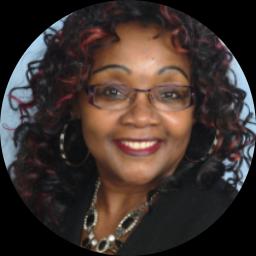
Viviane Ngwa is an LCSW with eight years of clinical experience working in Illinois. She helps people coping with stress, anxiety, relationship strain, trauma and abuse, and career concerns. Her practice also addresses specific issues such as abandonment, adoption and foster care, blended family dynamics, commitment worries, communication problems, forgiveness, and feelings of guilt and shame.
Viviane uses straightforward conversation to help people name what feels heavy and to notice patterns that keep pain alive. She draws on approaches like Acceptance and Commitment Therapy and Cognitive Behavioral Therapy to link thoughts, feelings, and actions. She also uses Client-Centered and Emotionally-Focused ideas to focus on what matters most to each person.
Sessions tend to focus on small, practical steps a person can try between meetings. That might include noticing unhelpful thinking, practicing a new way to talk about a problem, or testing a new behavior in a relationship. She works together with clients to set short-term aims and check what changes feel useful.
Her style is direct and conversational. She encourages clear goals and steady practice rather than quick fixes. People often come when they are carrying guilt or shame about choices, identity, or past events and want a place to sort those feelings.
Viviane is licensed as an LCSW in Illinois and Nevada. She offers services in English and accepts international clients. To begin, clients use the platform matching process to schedule an initial session and outline their priorities.
How Viviane uses therapy approaches online
Viviane often integrates Acceptance and Commitment Therapy and Cognitive Behavioral Therapy in online work. ACT focuses on noticing thoughts and choosing actions that align with personal values. It can help when guilt or shame leads someone to avoid meaningful parts of life. CBT looks at the links between thoughts, feelings, and behaviors and teaches practical skills to test and change unhelpful thinking patterns.She also brings Client-Centered and Emotionally-Focused ideas into sessions to prioritize what matters to each person and to help name and process strong emotions. Deciding which approaches to emphasize is a collaborative process. The therapist and client review goals and try methods that fit the client's needs and preferences rather than assuming one path from the start.
If you plan to meet online, confirm the current session options before booking so you know what formats are offered. Online work can make it easier to fit sessions into a busy week, allow shorter check-ins when needed, and remove travel time. These practical benefits help many people keep steady momentum while they notice and respond differently to guilt and shame.
Areas of expertise
Primary focus
Additional focus areas
Therapeutic approaches
Experience
8+ years
Listed in
Nevada, Illinois
Languages
English
Frequently asked questions
What issues does she help with related to guilt or shame?
She works with guilt and shame alongside stress, anxiety, relationship concerns, trauma, and career difficulties.
How does she approach feelings of guilt?
She uses approaches like Acceptance and Commitment Therapy and Cognitive Behavioral Therapy to help name unhelpful thoughts and try different responses.
What is her professional background?
She has eight years of clinical experience in the helping profession and practices as an LCSW.
Where is she licensed to practise and based?
She holds LCSW credentials in Illinois and Nevada and is based in Illinois.
Can sessions be conducted in other languages?
Sessions are offered in English.
Does she accept international clients?
Yes, she accepts international clients.
How does billing and cost work?
Cost varies with location and sessions use a subscription that can be canceled at any time.
What are the steps to start working with her?
Select the See online therapy options button, complete a short matching questionnaire, and schedule a first session.
Online talk therapy is not emergency care. If you are in danger or thinking about harming yourself, use the crisis numbers.