- Person-Centred approach
- Existential perspective
- Solution-Focused methods
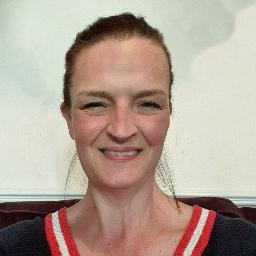
About Charlotte
Charlotte O'Neill is a counsellor registered with the British Association for Counselling and Psychotherapy (BACP) and has three years' experience. She works with adults on common problems such as stress, anxiety, low self-esteem, depression, grief and relationship concerns. She also lists career issues, coping with life changes, trauma and intimacy-related issues among her areas of focus.
Charlotte uses a person-centred way of working that keeps the client in charge of the session. She describes the work as collaborative and practical, helping people talk through what is bothering them and to identify small steps that make everyday life easier. She draws on ideas from existential and solution-focused approaches when they fit the person and the problem.
Sessions are paced to the individual. Charlotte emphasises listening first, then helping people clarify what they want to change. Conversations may move between exploring meaning and testing straightforward solutions, depending on what feels useful in the moment.
Her background is in counselling and the Dip.Couns qualification is part of that training. The BACP registration is stated on her profile and reflects her professional membership in the UK. Charlotte works with a wide range of concerns including attachment and abandonment issues, body image, codependency, caregiving stress, chronic illness, blended family strains and communication problems.
She offers support for people coping with ageing and geriatric issues, autism and Asperger Syndrome, avoidant and dependent personality patterns, and the effects of disaster or trauma. People who want to start the process are invited to complete a short matching questionnaire and book an initial session.
How her approaches are used in online sessions
Charlotte works from a person-centred base which means sessions begin with listening and following the client's priorities. This approach helps when someone needs to talk through guilt, shame or other strong feelings and wants the conversation paced to their needs.She also uses existential ideas that look at meaning, responsibility and choice. This can help people who are asking why they feel a certain way or who are re-evaluating life changes. Solution-Focused Therapy is used to identify small, practical steps and achievable goals to reduce daily strain and improve coping.
Finding the right mix of approaches is part of the work. She will discuss options with the client and decide together what fits best based on needs, goals and preferences. The client’s experience guides whether sessions lean more towards exploring meaning or toward practical problem solving.
The original profile does not specify which session formats are offered online, so confirm the available options before booking. Online sessions can make it easier to fit counselling around daily life, for example by removing travel time or allowing shorter check-ins during a busy day. Registered or accredited professionals and therapists commonly offer online work to help people arrange therapy around work, caregiving and other commitments.
Areas of expertise
Primary focus
Also works with
Additional focus areas
Therapeutic approaches
Experience
3+ years
Listed in
United Kingdom
Languages
English
Frequently asked questions
What kinds of concerns does she address?
She works with stress, anxiety, depression, self-esteem and relationship concerns, plus grief, trauma and intimacy-related issues.
How would she approach feelings of guilt or shame?
Her person-centred approach starts with careful listening to understand the feeling. She may draw on existential ideas about meaning and solution-focused steps to help manage the day-to-day impact.
What experience does she have?
Charlotte has three years' experience working as a counsellor in the United Kingdom and with a range of common life difficulties.
What are her official credentials and where is she based?
She is a member of the British Association for Counselling and Psychotherapy (BACP) and practises in the United Kingdom.
Can I work with her if I live outside the UK?
Sessions are offered in English and she is not currently accepting international clients.
What session formats are available?
The original profile does not list specific session formats; please confirm current session options before booking.
How are fees handled?
Cost varies with location and sessions use a subscription model that can be cancelled at any time.
How do I begin if I want to meet her?
Select the See online therapy options button, complete a short matching questionnaire and schedule a first session.
Online talk therapy is not emergency care. If you are in danger or thinking about harming yourself, use the crisis numbers.