- Client-Centered Therapy
- Cognitive Behavioral Therapy
- Mindfulness practices
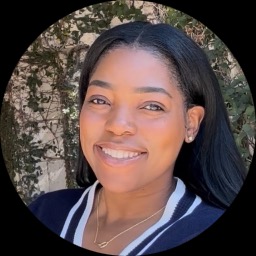
About Clarissa
Clarissa Williams is a Licensed Mental Health Counselor (LMHC) in Florida with four years of clinical experience. She works with adults carrying heavy emotions and practical life problems, including stress, anxiety, depression, grief, family conflict, and parenting strain.
Clarissa helps people who are managing anger, ADHD challenges, addictions, relationship problems, or career stress. She also addresses issues like self-esteem, coping with life changes, and compassion fatigue. Her practice includes work with trauma and abuse, and she lists additional concerns such as abandonment, chronic illness, codependency, dissociation, and divorce and separation.
Her way of working is collaborative and person-focused. She listens for what feels most important to each person, then uses clear, evidence-based methods to address those priorities. Sessions involve talking through current problems, building skills, and trying practical strategies between meetings.
Clarissa draws on client-centered methods alongside cognitive behavioral techniques, dialectical behavior strategies, EMDR, and mindfulness practices. That mix lets her offer skill-building, processing of painful memories, and attention to how thoughts and actions connect in daily life.
She brings attention to cultural context and life background when relevant. Sessions are conducted in English and based in Florida. To begin, prospective clients complete a short matching questionnaire and schedule a first session through the platform's online options.
How Clarissa uses approaches and online sessions
Client-Centered Therapy focuses on listening and understanding each person's perspective. It involves building a respectful relationship and helping people name what matters most so work can focus on real problems and goals.Cognitive Behavioral Therapy (CBT) looks at how thoughts, feelings, and actions connect. It offers practical exercises and experiments to change unhelpful thinking patterns and to try new behaviors that reduce distress in daily life.
EMDR is a process that helps people process painful memories and the beliefs tied to them. When used, it supports people who have trauma-related reactions and who want help reducing the emotional charge of those memories.
Finding the right approach is part of the work. Clarissa will talk with the client about goals, preferences, and what feels most useful, and then recommend methods to try. That decision is collaborative and may evolve as therapy continues.
Confirm the specific session options before booking. The therapist works through an online pathway where you complete a short questionnaire and schedule a first meeting. Online sessions can make it easier to fit therapy into a busy week, allow a shorter check-in when needed, or let someone choose a session that does not require video. Those practical features can help therapy fit into everyday life without adding extra travel or scheduling burdens.
Areas of expertise
Primary focus
Also works with
Additional focus areas
Therapeutic approaches
Experience
4+ years
Listed in
Florida, Washington
Languages
English
Frequently asked questions
What kinds of problems does she work with?
She works with stress, anxiety, depression, grief, family conflict, parenting strain, anger, ADHD, addictions, relationship issues, and related concerns.
How would she approach shame or guilt rooted in family history?
She would listen for the specific memories and patterns that keep those feelings active, then use collaborative methods to process memories and build coping skills.
What is her therapeutic style like?
Her style is person-focused and collaborative. She combines talking, skill practice, and targeted techniques from evidence-based approaches.
What experience does she bring?
She has four years of clinical experience working with diverse communities on trauma, family issues, grief, and related areas.
What are her credentials and where is she based?
She is a Licensed Mental Health Counselor, FL LMHC and WA LMHC, and practices from Florida.
Does she offer sessions in other languages or to international clients?
Sessions are offered in English. International clients are not currently accepted.
How are sessions paid for and what does it cost?
Cost varies with location and sessions use a subscription model that can be canceled at any time.
How do I begin working with her?
Select the See online therapy options button, complete a short matching questionnaire, and schedule a first session.
Online talk therapy is not emergency care. If you are in danger or thinking about harming yourself, use the crisis numbers.