- ACT methods
- CBT strategies
- Attachment work
About Eugene
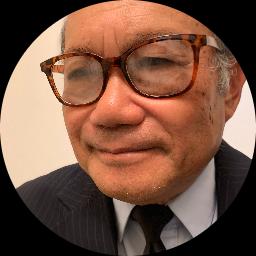
Eugene Yamamoto is a Licensed Clinical Social Worker (LCSW) in California with 30 years of experience. He works with adults experiencing stress, anxiety, low self-esteem, depression, and the strain of life changes. He also offers coaching for practical steps people want to take. Eugene writes plainly: he sees people as experts on their own lives and looks for strengths to build on.
In sessions he focuses on practical conversation and concrete tools. He listens for patterns that keep someone stuck and helps map small steps forward. He uses familiar methods such as cognitive behavioral techniques to reframe unhelpful thoughts and behavior skills to manage intense feelings.
Eugene also draws on Acceptance and Commitment Therapy to help people choose actions that matter despite uncomfortable thoughts. Attachment-based ideas are part of his work when relationship history affects how someone responds to others. He combines these approaches with a client-centered stance that keeps the person's goals central.
People come to him for a range of concerns beyond mood and anxiety. He has experience with issues related to abandonment, adoption and foster care, aging and geriatric concerns, attachment difficulties, body image, caregiver stress, chronic illness and pain, codependency, and communication or control problems.
Sessions are conversational and goal-focused. Eugene helps clients set realistic steps and follow through. To begin, a short matching questionnaire is used and then a first session is scheduled to clarify goals and plan next steps.
Approaches used in online sessions
Eugene commonly draws on Acceptance and Commitment Therapy (ACT) and Cognitive Behavioral Therapy (CBT) in his work. ACT helps people notice painful thoughts and feelings without letting those experiences fully dictate actions, which can be useful for guilt, shame, and avoidance. CBT focuses on identifying unhelpful thinking patterns and testing new behaviors to reduce anxiety and low mood.He also uses attachment-based ideas when somebody's relationship history affects how they relate to others. The therapist will work together with each person to choose which mix of approaches fits best. That choice draws on the client's goals, preferences, and the practical problems they bring to sessions.
The biography does not list specific session formats, so confirm the current online options before booking. Online work can make it easier to fit sessions into busy days, shorten travel time, and allow shorter or more flexible check-ins when needed. Licensed professionals can adapt exercises and homework to an online setting so clients can practice skills between meetings. The initial matching questionnaire and first session are used to clarify whether online sessions suit the person's needs and schedule.
Areas of expertise
Primary focus
Additional focus areas
Therapeutic approaches
Experience
30+ years
Listed in
California
Languages
English
Frequently asked questions
What concerns does he address?
He works with stress, anxiety, self-esteem, depression, coping with life changes, and coaching. Additional focuses include abandonment, adoption and foster care, caregiver stress, chronic illness, and communication problems.
How does he approach feelings of guilt or shame?
He uses approaches like ACT and CBT to help people notice painful thoughts and choose actions that align with their values. The focus is on practical steps rather than promises of forgiveness.
What is his professional background?
He has 30 years of clinical experience working with adults on mood and anxiety concerns and related issues. His practice blends several evidence-informed methods in conversational sessions.
What are his credentials and where is he based?
He is a Licensed Clinical Social Worker (LCSW) practicing in California.
Are sessions offered in other languages or internationally?
Sessions are offered in English. He does accept international clients as noted.
What session formats are available?
The original biography does not specify session formats. Please confirm current session options before booking.
How are fees handled?
Cost varies with location and sessions use a subscription that can be canceled at any time.
How do I begin working with him?
Select the See online therapy options button, complete a short matching questionnaire, and schedule a first session.
Online talk therapy is not emergency care. If you are in danger or thinking about harming yourself, use the crisis numbers.